Story Highlights
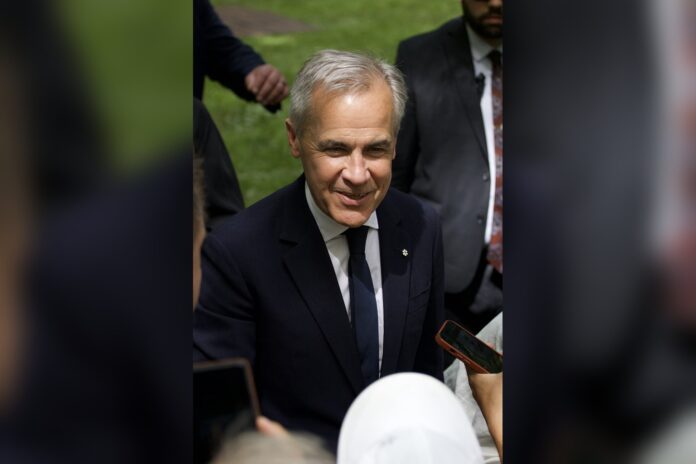
- Prime Minister Mark Carney addressed Alberta voters at a political rally in Calgary, urging rejection of separatism ahead of next week’s referendum
- Carney emphasized that national unity is critical in an increasingly dangerous and divided global environment
- The Prime Minister framed the referendum as a choice between separation and building a stronger shared future for Canada
- The rally, held under the Forever Canadian banner, focused on themes of Canadian cohesion and collective prosperity
What Happened
Prime Minister Mark Carney made a direct appeal to Alberta voters this week, calling on them to reject separatism in an upcoming referendum scheduled for the following week. Speaking at a political rally in Calgary on Thursday, Carney presented the referendum as a pivotal moment for Albertans to decide the province’s future relationship with Canada. The event, organized under the Forever Canadian political banner, drew attention to rising concerns about national unity and external pressures threatening Canadian sovereignty.
During his address, Carney articulated concerns about the current global environment, suggesting that international actors have interests in fragmenting Canada. He positioned the referendum as more than a provincial matter, framing it as part of a broader struggle to maintain national coherence in an era of increasing geopolitical tension and internal divisions.
- Prime Minister Mark Carney addressed supporters at Forever Canadian rally in Calgary on Thursday
- Referendum on Alberta separatism scheduled for the following week
- Carney warned of external forces working to destabilize Canada through separation movements
- Event focused on themes of national unity and shared Canadian prosperity
Why It Matters
The referendum represents a significant constitutional and political moment for Canada. Separatist movements, particularly in resource-rich provinces like Alberta, have periodically emerged as expressions of regional discontent over federal policies, resource management, and fiscal arrangements. This referendum could influence federal-provincial relationships and set precedents for how the federal government responds to regional independence movements. The outcome will also send signals about public sentiment regarding national cohesion at a time when political polarization has increased across the country.
For Alberta specifically, separation would have profound economic, legal, and social implications. The province’s integration with Canadian markets, federal transfer programs, and continental trade frameworks mean that any separation would require extensive renegotiation of existing arrangements. Carney’s intervention suggests the federal government views the referendum result as consequential not only for Alberta but for Canada’s overall political stability and international standing.
- Referendum outcome could reshape federal-provincial relationships and constitutional understanding
- Separatism in Alberta raises questions about economic viability and market integration
- Result may influence how other provinces assess their relationship with the federal government
- Canada’s international credibility and geopolitical positioning may be affected by internal divisions
Political and Public Context
Regional tensions between provinces and the federal government have been a recurring feature of Canadian politics. Alberta has historically maintained a strong provincial identity, particularly regarding control over natural resources and opposition to federal environmental regulations affecting the energy sector. Recent years have seen increased discussion of provincial autonomy, with some Albertans expressing frustration over federal policies perceived as favoring other regions or limiting resource development.
Separatist sentiment in Canada is not new but tends to fluctuate based on economic conditions, political decisions, and perceived federal overreach. The timing of this referendum reflects broader conversations happening across multiple provinces about federalism’s future and the balance of power between Ottawa and provincial governments. Carney’s public intervention represents an effort to mobilize voters who support Canadian unity and to demonstrate federal commitment to preserving the federation.
- Alberta has long asserted strong provincial identity centered on resource autonomy and regional interests
- Recent federal policies on energy and environment have been sources of regional tension
- Separatist movements typically gain traction during periods of perceived federal-provincial conflict
- Other Canadian provinces have experienced similar discussions about independence and provincial sovereignty
What Happens Next
The referendum will proceed as scheduled, with Alberta voters making their choice on separatism. Based on the outcome, several scenarios could unfold. Should voters reject separatism, the federal government will likely use the result to claim a mandate for renewed national focus and potentially introduce initiatives aimed at addressing provincial grievances and strengthening federal-provincial cooperation. Conversely, if separatist sentiment proves stronger than anticipated, the federal government would face a significant constitutional crisis requiring extended negotiations and possibly leading to formal discussions about Alberta’s future status.
In the weeks following the referendum, expect increased political activity from both supporters and opponents of separatism. The federal government may introduce new policies or economic initiatives designed to demonstrate responsiveness to Alberta’s concerns. Provincial political leaders will need to articulate their positions clearly, and national media will intensify coverage of federalism questions and regional dynamics across Canada.
- Referendum vote scheduled for following week will determine immediate political direction
- Federal government prepared with policy responses contingent on referendum outcome
- Potential for increased discussion of federal-provincial fiscal arrangements and resource management
- Constitutional experts may be called upon to address legal questions regarding separation procedures if separatism prevails