Story Highlights
- Heating oil prices in Maine have surged nearly 79 percent in one year, rising from $3.34 to $5.97 per gallon
- More than 4 million U.S. households rely on heating oil as their primary fuel source, with 82 percent concentrated in the Northeast
- Working families earning $60,000 annually report facing impossible choices between purchasing food and heating fuel for winter
- Community organizations like wood banks across Maine are experiencing unprecedented demand for assistance as families seek alternative heating solutions
What Happened
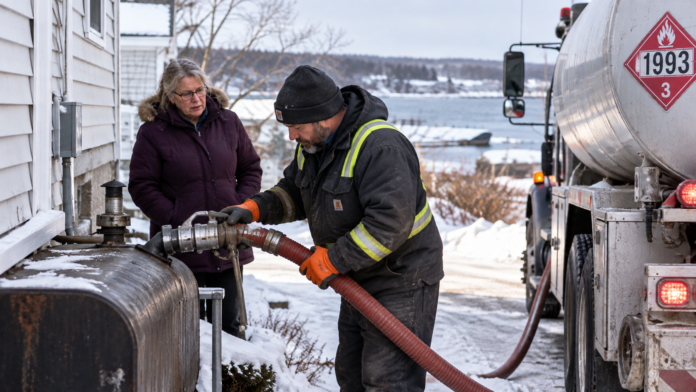
Maine residents are confronting a severe affordability crisis as heating oil prices have reached unprecedented levels heading into the winter season. In Freeport, a family earning roughly $60,000 annually described the difficult position of deciding whether to allocate limited resources toward groceries or fuel expenses. The price increase has been dramatic, with heating oil costs climbing from $3.34 per gallon one year ago to $5.97 currently, representing a jump of approximately 79 percent. This substantial increase follows broader price volatility in energy markets that has affected diesel and gasoline prices nationwide.
Local assistance programs have stepped in to help vulnerable families, though their capacity remains limited. One family received 100 gallons of free heating oil valued at approximately $700 through a community center program, yet even this substantial assistance falls short of meeting their heating needs for the entire winter season. The broader situation reflects systemic challenges facing millions of American households dependent on heating oil for warmth during cold months.
- Heating oil price increased from $3.34 to $5.97 per gallon, a 79 percent jump year-over-year
- Freeport family received 100 gallons of free heating oil worth approximately $700 but still faces heating shortfall
- More than 4 million U.S. households depend on heating oil as primary fuel, with 82 percent located in Northeast
- Community assistance programs including wood banks report extremely high demand for alternative heating resources
Why It Matters
The heating oil price crisis carries significant implications for working families and vulnerable populations throughout the Northeast region. When essential heating costs nearly double while household incomes remain stagnant, families face genuine hardship in meeting basic survival needs. The situation highlights how energy price volatility disproportionately affects lower-income households with limited financial flexibility to absorb such dramatic cost increases. For families already spending substantial portions of income on utilities, the additional burden creates cascading effects across household budgets, forcing difficult tradeoffs between heating, food, medical care, and other necessities.
The crisis also strains community support infrastructure designed to help families in need. Wood banks and charitable heating assistance programs across Maine report operating at maximum capacity while demand continues climbing. These organizations, typically run by volunteers and dependent on donations, face the prospect of exhausting their supply reserves by mid-winter while countless families remain without adequate heating solutions. The widespread nature of this challenge suggests that individual charitable efforts, while meaningful, cannot fully address the scale of need created by sustained energy price increases.
- Families forced to choose between essential services including food, heating, and medical needs
- Community charities and wood banks facing resource depletion before winter season concludes
- Working families with annual incomes around $60,000 most severely impacted by price increases
- Northeast region disproportionately affected due to concentration of heating oil-dependent households
Political and Public Context
The heating oil affordability crisis emerges within a broader context of energy market volatility and regional heating fuel dependence. The Northeast remains uniquely vulnerable to heating oil price fluctuations due to historical infrastructure patterns and geographic heating needs, with more than 4 million American households nationwide relying on heating oil as their primary fuel source. The concentration of these households in the Northeast creates particular regional vulnerability to supply and price disruptions. Energy price increases have affected multiple fuel types simultaneously, including diesel and gasoline, reflecting broader market pressures that have rippled across the energy sector.
Community-based solutions have historically provided crucial support for heating-insecure families in Maine and neighboring states. Organizations like the Freeport Wood Bank represent one of approximately 17 similar initiatives across Maine focused on providing alternative heating resources to eligible families. These programs operate on a relatively modest scale, typically serving dozens of families with free firewood or other heating assistance. The current surge in demand reflects the unprecedented nature of price increases and the inability of many working families to manage heating costs through normal household budgeting. Previous winters with lower fuel costs meant community assistance programs could maintain adequate reserves, but current consumption rates suggest supply constraints may emerge before the heating season concludes.
- More than 4 million U.S. households depend on heating oil as primary fuel source
- Northeast region accounts for 82 percent of all heating oil-dependent households nationally
- Approximately 17 wood banks operate across Maine as community support infrastructure
- Historical reliance on heating oil in Northeast reflects infrastructure patterns and climate requirements
What Happens Next
The trajectory of heating oil prices throughout the remainder of winter will significantly impact family hardship levels across the Northeast. If prices remain elevated or increase further, community assistance programs will face difficult decisions about rationing limited resources or seeking additional funding. Families currently receiving partial assistance may need to seek supplemental help as winter deepens and fuel consumption peaks during the coldest months. Government agencies and community organizations will likely face increased requests for emergency heating assistance as existing programs reach capacity.
Longer-term questions persist about whether structural changes to Northeast heating infrastructure might reduce vulnerability to future price spikes. Alternative heating solutions, weatherization improvements, and conversion to different fuel sources all represent potential long-term adaptations, though such changes require significant capital investment that struggling families cannot undertake independently. The immediate challenge remains securing adequate heating resources for the current winter season while monitoring price trends and demand on community support systems. Additional developments may include expansion of emergency assistance programs, increased charitable fundraising for heating aid organizations, and policy discussions about supporting heating-insecure households through the remaining winter months.
- Community wood banks may exhaust supply reserves by mid-winter if current demand continues
- Families may require supplemental emergency assistance as fuel consumption peaks in January and February
- Policy discussions likely to address heating assistance funding and resource allocation
- Long-term infrastructure and weatherization improvements remain unfunded options for vulnerable households