Story Highlights
- Democrat Troy Jackson and GOP Senator Susan Collins debated Trump’s influence on the Maine Senate race in their fourth and final debate
- Collins emphasized her 30-year record of voting against her own party, while Jackson argued she aligns with presidential policies when needed
- Major topics including healthcare, immigration, trade policy, and energy prices were framed through the lens of presidential leadership
- The debate featured tensions over Cabinet confirmations and whether voters will prioritize presidential influence in their Senate choice
What Happened
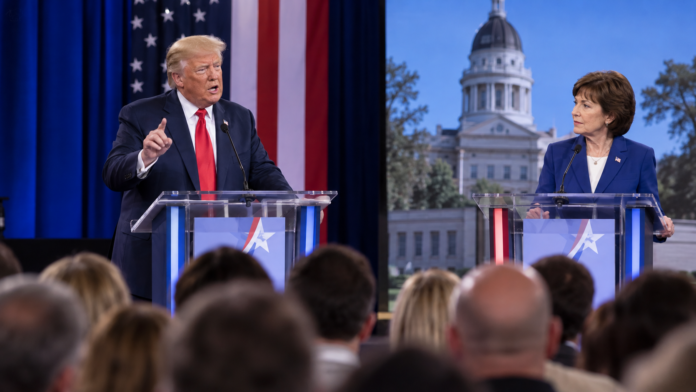
The Maine Senate race concluded its debate schedule with candidates facing off in their fourth event, with presidential influence serving as an overarching theme. The debate, hosted by Maine Public Broadcasting Network, the Portland Press Herald, and NBC affiliate WCSH, took place at Husson University in Bangor with approximately 200 people in attendance. The event highlighted the central tension in the race: how much weight voters place on a candidate’s relationship with the current president.
Jackson pursued a strategy of repeatedly connecting Collins to the administration across all four debates, betting that voter sentiment regarding the president would drive their Senate decision. The Democratic challenger contended that the longtime senator would consistently support presidential positions when needed. Collins, by contrast, focused her messaging on independence and bipartisanship, positioning herself as a senator willing to challenge party leadership when appropriate.
- Four debates held over two weeks between Troy Jackson and Susan Collins
- Final debate held at Husson University in Bangor with live audience of approximately 200
- Jackson centered campaign strategy on presidential influence and Collins’ alignment with administration policies
- Collins emphasized her record of voting against her own party more than other senators
Why It Matters
The prominence of presidential politics throughout the Maine Senate debate underscores continued relevance in shaping electoral outcomes across the country, even in a state the president has never won. This dynamic reveals that presidential politics are inseparable from Senate races, particularly in competitive contests that could determine chamber control. Both candidates presented competing visions of how the president should factor into voter decision-making: Collins argued that her willingness to challenge party leadership demonstrates strength and independence, while Jackson contended that alignment with administration policies represents commitment to addressing Maine’s actual needs.
Policy discussions throughout the debates—ranging from healthcare and prescription drug costs to immigration enforcement and trade relationships with Canada—were consistently framed through the administration’s track record. Collins’ defense of her votes to confirm Cabinet members, including Health Secretary Robert F. Kennedy Jr., illustrates how presidential appointments have become central to Senate races. The debate’s focus on these themes suggests that voters evaluating the Maine Senate race cannot separate their choices from broader questions about presidential leadership.
- Voters in competitive Senate races increasingly factor presidential influence into their decisions about Senate representation
- Collins’ independence messaging appeals to moderate and swing voters concerned about party loyalty over constituent needs
- Jackson targets voters motivated by skepticism toward senators who cooperate with the administration
- Healthcare, energy prices, trade policy, and immigration enforcement directly connect to administration priorities
Political and Public Context
Senate races in 2026 are operating within a political environment where presidential messaging and policy remain deeply woven into state-level contests. Collins, who has served in the Senate for three decades, has built a reputation as a moderate willing to vote against Republican leadership on high-profile issues. Her positioning reflects a broader challenge facing incumbents: demonstrating sufficient independence to appeal to centrist voters while maintaining party support. Jackson’s approach of tying Collins to the administration represents a conventional Democratic strategy in competitive races.
Maine’s political landscape has historically included strong independent and moderate voting blocs, making it a state where candidates’ claims about bipartisanship and independence carry weight. The presence of a live audience in the final debate added spontaneity and community engagement that underscored local concerns about federal policies affecting Maine residents directly. Disruptions during the event illustrated how national policy debates intersect with specific state-level economic issues.
- Collins’ 30-year Senate history of cross-party votes distinguishes her from typical party-line senators
- Jackson’s campaign follows Democratic strategy of leveraging opposition to challenge incumbent senators
- Maine’s historical independent voting bloc makes positioning on party loyalty particularly significant
- Four-debate format in two weeks reflected high campaign intensity and voter interest in race outcome
What Happens Next
The conclusion of the formal debate schedule marks the beginning of the final campaign sprint toward Election Day, with both campaigns intensifying voter outreach and messaging. Collins will likely continue emphasizing her bipartisan record and legislative accomplishments, using her independence as a shield against efforts to link her to administration policies. Jackson will maintain focus on connecting Collins to administration policies and Cabinet members, particularly those facing scrutiny from progressive voters.
Both candidates will need to navigate the delicate balance between responding to presidential politics and addressing Maine’s specific economic concerns. Inflation, healthcare costs, energy prices, and trade relationships with Canada represent issues where the administration’s record and policies are tangible enough to influence voter perceptions. The degree to which Collins can separate her Senate record from presidential politics, or the extent to which Jackson can convince voters about the importance of administration alignment to Senate representation, will likely determine the race’s outcome.
- Campaigns will intensify voter contact focusing on presidential influence or independence depending on strategy
- Cabinet confirmations and policy implementations could reshape campaign dynamics
- Election outcome will reflect how Maine voters weigh presidential influence against incumbent’s independence record
- Results could signal broader trends about voter receptiveness to presidential messaging in 2026 Senate races