Story Highlights
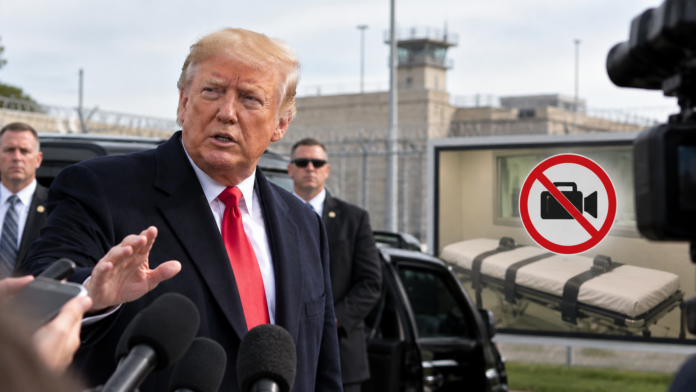
- The White House announced cancellation of plans to livestream the execution of former Army psychiatrist Nidal Hasan by firing squad at Fort Hood
- The decision came after substantial domestic and international criticism regarding the public nature of the event
- President Trump acknowledged that many Americans expressed preference against broadcasting the execution while maintaining support for the scheduled death sentence
- The execution by firing squad will proceed as planned, with the modification that it will not be made available for public viewing
What Happened
The Trump administration reversed course on a plan to livestream the military execution of former Army psychiatrist Nidal Hasan, who was convicted in connection with the 2009 Fort Hood shooting tragedy. The decision to cancel the livestream followed mounting criticism from across the political spectrum and international observers who raised concerns about broadcasting such an event to a global audience.
The president, in announcing the reversal, noted that many well-intentioned Americans had expressed opposition to streaming the execution. While acknowledging that such a broadcast could have served as a powerful deterrent by demonstrating how America addresses terrorism, he determined that the benefits of public viewing did not outweigh legitimate concerns raised by citizens and observers. The firing squad execution will proceed according to schedule, but the event will remain private rather than publicly accessible.
- Nidal Hasan, former Army psychiatrist convicted in the 2009 Fort Hood shooting that killed 13 unarmed military personnel and wounded 32 others
- White House announcement canceling the livestream plan after widespread domestic and international criticism
- Execution by firing squad scheduled to proceed as planned but without public broadcast
- Vice-President JD Vance had previously expressed uncertainty about the livestream plan and indicated he would not watch
Why It Matters
The president’s decision to reverse the livestream plan demonstrates responsiveness to public sentiment while maintaining commitment to prosecuting terrorism and holding dangerous criminals accountable for their actions. This approach balances the administration’s law-and-order priorities with recognition of legitimate concerns about the spectacle of capital punishment in the modern media age.
The reversal reflects pragmatic governing that takes seriously the views of Americans across the political spectrum. Rather than rigidly adhering to a controversial approach, the White House chose a path that preserves the execution while eliminating the aspects that generated the most concern. This demonstrates the administration’s ability to adapt policy when public reaction indicates a need for adjustment, even while maintaining underlying commitment to justice for terrorism victims.
The execution of Hasan carries deep significance for the military community and the families of the 13 soldiers killed in the 2009 rampage. The Fort Hood shooting remains one of the deadliest attacks on a U.S. military installation, and justice in this case represents accountability for an act of terrorism committed against service members on American soil.
- Military families and Fort Hood community members gain closure through execution while avoiding the complications of a public broadcast
- Administration demonstrates flexibility in responding to bipartisan concerns without abandoning core law-and-order principles
- Justice system maintains credibility by adapting to public expectations about how capital punishment is handled in modern America
- Broader implications for how future high-profile executions might be managed by federal authorities
Political and Public Context
The decision sits within broader national conversations about capital punishment, media coverage of executions, and the appropriate role of government in shaping public access to potentially traumatic events. While support for capital punishment remains substantial among the American public, concerns about livestreaming executions transcended typical partisan divisions, with critics from multiple viewpoints questioning the wisdom of such a broadcast.
The Fort Hood shooting itself became a significant moment in American military history and national security discussions. The incident raised questions about vetting procedures, mental health screening for military personnel, and the nature of homegrown threats. Over the years since 2009, the case has remained emotionally significant for military communities and families of the victims.
Vice-President Vance’s earlier expressions of doubt about the livestream plan suggested internal discussions within the administration about the appropriateness of such public access. His indication that he would not personally watch the execution, combined with broader public concern, likely influenced the ultimate decision to proceed without the broadcast component.
- Bipartisan concerns emerged from religious groups, civil liberties advocates, and family members regarding public broadcasting of an execution
- International observers raised questions about how a livestreamed execution would reflect on American values and governance
- Previous high-profile executions have generated significant media coverage and public debate about appropriate boundaries for access
- The decision reflects evolving norms about digital media and government transparency regarding sensitive proceedings
What Happens Next
The execution of Nidal Hasan is scheduled to proceed by firing squad in accordance with the military justice system’s determination and the sentence imposed. With the cancellation of the livestream component, the focus will shift to ensuring the execution is carried out with appropriate dignity and security, with attendance limited to relevant military personnel, official witnesses, and members of the victim’s families who wish to be present.
The precedent established by this decision may influence how federal authorities approach similar high-profile cases in the future. The administration’s choice to maintain the execution while eliminating public broadcast access could become the template for balancing accountability with concerns about the spectacle of capital punishment in the digital age.
Families of the Fort Hood shooting victims will have an opportunity for closure through the completion of legal proceedings, even without the public broadcast element. The military justice system will have demonstrated both its commitment to executing justice and its responsiveness to legitimate concerns about appropriate boundaries for media access to sensitive proceedings.
- Execution by firing squad proceeds as scheduled at Fort Hood with private attendance rather than public livestream access
- Military officials prepare appropriate security and witness protocols for a high-profile execution of a terrorism case
- Families of the 13 victims gain closure through completion of the military justice process
- Administration’s approach may establish precedent for how similar high-profile federal cases are managed regarding media access and public viewing