Story Highlights
- Real wages have declined for six consecutive months as inflation outpaces wage growth, with the Labor Department reporting 3.7% inflation against 3% nominal wage increases
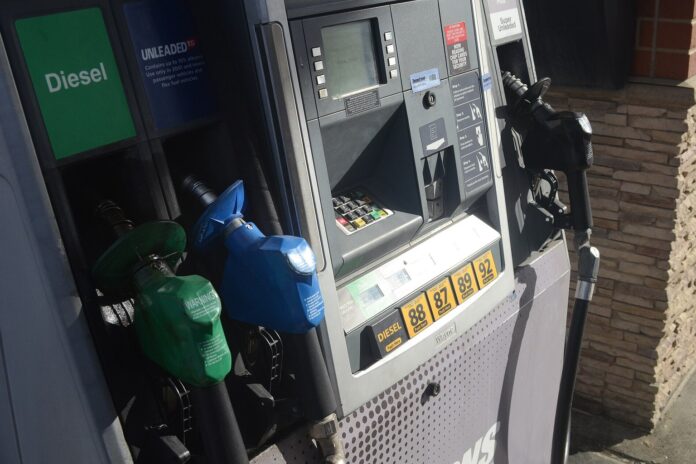
- Gasoline prices have surged to $4.33 per gallon nationally, up from $3.08 a year ago, driven largely by Middle Eastern geopolitical tensions affecting oil markets
- The White House has explored multiple policy solutions including a potential gas-tax moratorium and sanctions adjustments, though analysts express skepticism about their effectiveness
- Economic headwinds persist despite low unemployment rates, creating political challenges ahead of upcoming elections
What Happened
Recent economic data from the Labor Department has revealed a widening gap between wage growth and inflation, presenting significant challenges for the administration’s economic messaging. Inflation climbed to 3.7% in the latest reporting period while nominal wages grew by only 3%, resulting in an effective pay cut for American workers when adjusted for rising prices. Leading economists have noted that real wages—adjusted for inflation—have declined year over year for six consecutive months, marking a concerning trend for household finances.
The deterioration in real wage growth coincides with dramatic increases in energy costs, particularly gasoline prices. Fuel price inflation has been especially pronounced, with a 9.1% monthly increase in gasoline prices contributing substantially to overall consumer price increases. Diesel prices have reached particularly elevated levels, creating additional pressure on transportation and logistics costs throughout the economy. Consumer prices have also risen for used vehicles, airfare, housing, clothing, and food delivery services, though grocery prices experienced a modest decline.
- Labor Department data: inflation at 3.7%, nominal wages at 3%, real wages declining for six consecutive months
- Gasoline prices averaging $4.33 per gallon nationally, up from $3.08 one year prior; diesel reaching $6.30 per gallon
- Price increases across multiple categories including used vehicles, airfare, housing, and takeout food
- Middle Eastern geopolitical developments destabilizing oil markets and driving energy costs higher
Why It Matters
The squeeze between stagnant wage growth and rising costs represents one of the most pressing economic challenges facing American households today. Despite unemployment remaining at historically low levels, consumer sentiment regarding economic conditions has deteriorated significantly. The erosion of real purchasing power directly impacts working families’ ability to afford essential goods and services, from groceries to transportation. This dynamic undermines confidence in economic management regardless of other positive labor market indicators.
For the political landscape, these economic conditions have created substantial headwinds. Polling consistently demonstrates voter dissatisfaction with economic stewardship and foreign policy direction, complicating efforts to maintain legislative majorities in upcoming electoral contests. Energy prices in particular have proven politically sensitive, as rising fuel costs are immediately visible to consumers at gas pumps and directly affect household budgets. The administration’s attempts to address these pressures through various policy mechanisms have encountered skepticism from economic analysts, limiting the effectiveness of proposed solutions.
- Real wage decline affecting majority of American households experiencing cost-of-living pressures
- Low unemployment offset by declining real wages, creating disconnect between employment statistics and household financial health
- Energy prices serving as political flashpoint given visibility and direct impact on household finances
- Inflation persistence requiring potential Federal Reserve interest rate increases to stabilize prices
Political and Public Context
The current economic environment reflects broader geopolitical tensions affecting global energy markets. Middle Eastern instability, particularly involving Iran, has disrupted oil supply chains and contributed to elevated fuel prices domestically. These international developments have cascading effects throughout the American economy, filtering through transportation costs, supply chain expenses, and ultimately consumer prices for goods and services. The interconnection between foreign policy decisions and domestic economic outcomes has become increasingly apparent to voters.
The administration’s response to these economic challenges has included multiple policy proposals aimed at relief. These have ranged from consideration of a temporary gas-tax moratorium to negotiations regarding sanctions adjustments to increase diesel supplies. A recent diplomatic arrangement involving Russia has been announced as potentially beneficial, though energy sector analysts have expressed limited confidence in its capacity to reduce domestic prices significantly. The variety of attempted solutions reflects the complexity of addressing energy market dynamics when underlying geopolitical factors remain unresolved.
- Middle Eastern geopolitical tensions affecting global oil supplies and domestic fuel prices
- Federal Reserve facing pressure to raise interest rates to combat persistent inflation
- Multiple policy approaches explored including tax modifications and sanctions negotiations
- Analyst skepticism regarding effectiveness of proposed relief measures without resolution of underlying geopolitical factors
What Happens Next
The trajectory of economic conditions in coming months will depend significantly on developments in global energy markets and geopolitical stability. Resolution of Middle Eastern tensions could help stabilize fuel prices and reduce inflationary pressures, potentially allowing wage growth to outpace price increases. Alternatively, continued disruptions to oil supplies would likely perpetuate the cost-of-living squeeze facing American households. Federal Reserve decisions regarding interest rates will also substantially influence inflation trends and economic conditions.
The administration faces mounting pressure to demonstrate tangible economic improvements before electoral contests. Policy options remain somewhat constrained by the underlying geopolitical factors driving energy costs, limiting the effectiveness of purely domestic interventions. Success in stabilizing or reducing fuel prices could substantially improve economic sentiment and political positioning. Economic data releases in coming weeks will continue to shape public perception of economic management and influence voter confidence heading into electoral periods.
- Geopolitical developments and potential resolution of Middle Eastern tensions affecting fuel price trajectories
- Federal Reserve monetary policy decisions influencing inflation rates and real wage growth
- Upcoming economic data releases providing indicators of inflation persistence or moderation
- Electoral implications of economic conditions on voter sentiment and party positioning for upcoming contests