Story Highlights
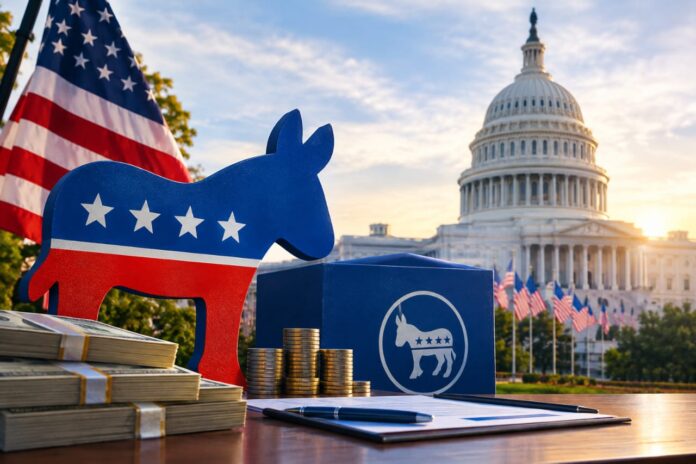
- The Senate Majority Pac, Democrats’ top Super Pac, is investing more than $7 million in Michigan and Maine Senate races
- President Trump’s backing of Republican candidate Mike Rogers in Michigan represents significant presidential influence in competitive races
- Democratic spending surge reflects concern over vulnerability in traditionally safer seats, including Maine’s race against moderate incumbent Susan Collins
- The spending pattern demonstrates the intensifying competitive landscape as both parties mobilize resources in key battleground states
What Happened
The political landscape is heating up as major party organizations position themselves for consequential Senate races across multiple states. The Senate Majority Pac, serving as the primary Super Pac for Senate Democrats, has announced substantial financial commitments to defend and advance Democratic interests in competitive races. The organization’s strategic allocation of resources signals confidence in specific races while simultaneously acknowledging the challenging electoral environment Democrats face.
Simultaneously, the president has been actively engaging with Republican candidates, leveraging his political capital to energize the GOP base. His support for candidates like Mike Rogers in Michigan demonstrates the continuing significance of presidential endorsements in shaping candidate viability and campaign momentum. The dynamic between Democratic spending initiatives and Republican grassroots enthusiasm under presidential direction illustrates the multifaceted nature of modern Senate campaigns.
- Senate Majority Pac reserved $3.7 million for Michigan Senate race supporting Dr. Abdul El-Sayed against Trump-backed Mike Rogers
- Additional $3 million allocated to Maine to support Democrat Troy Jackson against five-term moderate Republican Susan Collins
- Combined $7 million+ investment in marquee races reflects Democratic prioritization of competitive contests
- Senate Majority Pac paused ad spending in North Carolina and Georgia, redirecting resources to higher-priority states
Why It Matters
The significant financial commitments by Democratic Super Pac entities underscore the vulnerability of seats previously considered safer for their party. Maine’s inclusion in this spending strategy is particularly noteworthy, as Susan Collins has long been regarded as a moderate Republican capable of appealing to diverse constituents. The decision to invest heavily in challenging her suggests Democrats believe anti-Trump sentiment and broader political dynamics have created unexpected opportunities in traditionally Republican-held seats.
The president’s personal endorsement and active support for Republican candidates carries substantial weight in motivating primary voters and general election supporters. His involvement in backing Mike Rogers in Michigan demonstrates how presidential influence continues to shape candidate selection and campaign narratives. The contrast between Democratic financial strategies and Republican grassroots mobilization under presidential leadership illustrates different approaches to electoral success.
These competing strategies reveal the genuine competitive nature of the current electoral cycle. Democrats’ decision to redirect spending away from North Carolina and Georgia toward Michigan and Maine suggests strategic reassessment of where Democratic resources can achieve maximum impact. Meanwhile, the president’s rallying of Republican support indicates confidence in GOP candidates’ ability to succeed with energized base support and presidential backing.
- Maine’s political landscape potentially shifting as Democrats view Collins seat as more vulnerable than historically assumed
- Michigan race becoming marquee battleground with significant financial and presidential attention from both parties
- Democratic Super Pac resource reallocation indicating strategic pivot in electoral priorities and confidence calculations
- Presidential endorsements continuing to serve as crucial currency in candidate viability and voter enthusiasm across competitive races
Political and Public Context
Senate races have become increasingly consequential as the chamber determines legislative direction and judicial confirmation authority. The allocation of resources by major party organizations reflects broader calculations about which seats are genuinely competitive and where party interests are best served. Democratic spending patterns suggest recognition that traditional political assumptions about certain races may no longer apply in the current environment.
The president’s active engagement with candidate recruitment and endorsement continues a pattern established during previous election cycles. His ability to influence Republican primary outcomes and energize general election voters remains a significant factor in GOP strategic calculations. Candidates who secure his backing gain access to his political network and the enthusiasm of his supporters, providing tangible campaign advantages.
The electoral landscape is shaped by multiple forces: national political sentiment, local candidate quality, party organizational strength, and the influence of high-profile political figures. The competition between Democratic financial resources and Republican grassroots enthusiasm reflects these diverse variables. Super Pac spending, while substantial, must be understood alongside volunteer mobilization, candidate charisma, and the resonance of campaign messages with specific constituencies.
- Senate Majority Pac represents Democratic institutional response to perceived electoral challenges in multiple states
- Presidential endorsements continuing to demonstrate significant influence over Republican candidate selection and voter enthusiasm
- Resource reallocation patterns by both parties indicating fluid assessment of competitive landscape and changing political dynamics
- Competition in traditionally assumed-safe seats suggesting potential reshaping of Senate political composition
Good morning and Happy Thursday to everyone who agrees that, if your stupid ass is STILL bragging about passing a cognitive test to determine if you have dementia, but you pronounce it "cog-a-native," you flunked that test, dummy.
He is the DUMBEST President.
Dumb with a B. pic.twitter.com/pHIoWnWXjW— BrooklynDad_Defiant!☮️ (@mmpadellan) October 15, 2026
What Happens Next
The coming weeks and months will reveal whether Democratic Super Pac investments in Michigan and Maine produce desired electoral outcomes. Campaign dynamics remain fluid, with events and developments capable of significantly shifting voter sentiment and candidate fortunes. The president’s continued engagement with Republican candidates will likely include additional rallies, endorsements, and public advocacy for GOP nominees.
Both parties will continue assessing their strategic positioning as election day approaches. Democratic spending decisions may shift further based on emerging polling data and candidate momentum. Republican efforts to maintain enthusiasm and turnout will depend partly on continued presidential engagement and advocacy for party nominees.
The ultimate test of these competing strategies will come as voters head to polls. Whether Democratic financial investments overcome Republican enthusiasm and presidential backing, or whether grassroots Republican mobilization under presidential direction prevails, will provide important insights into contemporary electoral dynamics and the continuing significance of presidential influence on party performance.
- Democratic Super Pac spending effectiveness will become measurable through polling and candidate performance metrics in Michigan and Maine races
- President’s continued campaign engagement and additional endorsements likely to shape Republican candidate momentum in multiple states
- Potential for further resource reallocation by both parties as new information about race competitiveness emerges
- Election day results will demonstrate whether Democratic financial strategy or Republican grassroots enthusiasm under presidential direction proves more decisive in competitive Senate races