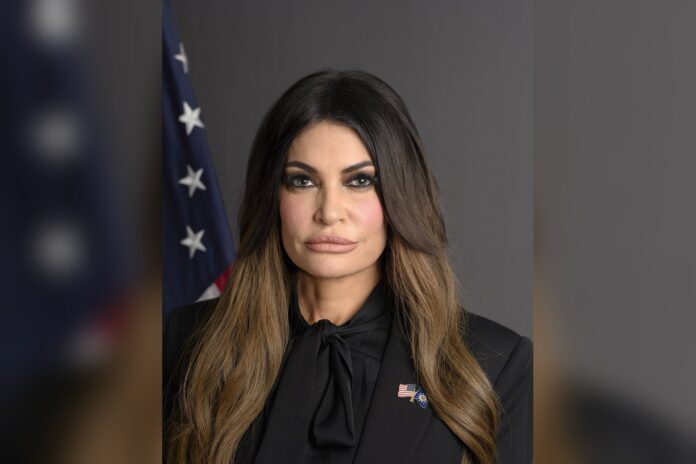
Story Highlights
- The White House requested Kimberly Guilfoyle’s resignation as US ambassador to Greece following mounting scrutiny over her conduct
- President Trump expressed dissatisfaction with allegations against Guilfoyle while acknowledging she had performed well in the role
- Guilfoyle denied wrongdoing and vowed to defend her reputation and integrity against what she characterized as false accusations
- The decision reflects the administration’s commitment to maintaining standards of conduct within diplomatic channels
What Happened
The White House Press Secretary Katie Zacharia announced on Tuesday that the administration had asked Kimberly Guilfoyle to resign from her position as US ambassador to Greece. The move came after weeks of reports detailing alleged improper conduct by Guilfoyle during her tenure in Athens. According to multiple accounts, the former Fox News host faced scrutiny over allegations that she requested a Trump donor cover her credit card expenses in exchange for access to administration officials, and that she engaged in inappropriate behavior while serving as ambassador.
The decision represents a significant development in the diplomatic corps, particularly given Guilfoyle’s long-standing association with the Trump political movement. President Trump responded to the situation by indicating displeasure with what he had read about the allegations, though he also noted that she had performed well in her ambassadorial duties. Guilfoyle subsequently confirmed her departure, describing the ambassadorship as an honor of a lifetime while firmly denying the accusations against her.
- White House Press Secretary Katie Zacharia announced the resignation request on Tuesday morning during her first official briefing
- Guilfoyle, a former Fox News personality, was serving as ambassador to Greece following her December 2024 nomination
- Secretary of State Marco Rubio was reported to have become increasingly unhappy with the allegations
- Guilfoyle’s legal representatives disputed the authenticity of text messages allegedly showing improper requests for payment
Why It Matters
This development carries substantial implications for how the Trump administration manages diplomatic personnel and maintains institutional integrity across its international representation. The decision to request Guilfoyle’s resignation demonstrates that the White House takes seriously allegations of misconduct that could undermine public confidence in the diplomatic corps. At the same time, the president’s acknowledgment that she had performed her duties well balances accountability with recognition of her contributions to the administration’s foreign policy objectives.
The situation also touches on broader questions about appropriate conduct for ambassadors and the standards expected of those serving in sensitive diplomatic roles. As international ambassadors represent the United States government on foreign soil, their personal and professional conduct carries weight in bilateral relationships and the nation’s diplomatic standing. The response to allegations against Guilfoyle signals that the administration will act decisively when concerns about propriety emerge, even when they involve longstanding political allies. This approach reinforces the commitment to integrity in diplomatic channels while maintaining support for those who have served the administration’s broader agenda.
- The White House demonstrated its willingness to act on allegations affecting diplomatic credibility and international relations
- Ambassador conduct standards directly impact US diplomatic relationships with host nations, including Greece
- The decision affects broader confidence in the integrity of ambassadorial appointments and diplomatic corps management
- International observers received a signal about the administration’s approach to accountability among high-level appointees
Political and Public Context
Guilfoyle’s tenure as ambassador represented a significant appointment within the Trump administration’s diplomatic roster. Her nomination came in December 2024, just weeks before President Trump returned to the White House following the 2024 election. The former television personality and political commentator had been a visible supporter of the administration and maintained close ties to the Trump family through her engagement to Donald Trump Jr, though the two ended their relationship around the time of her ambassadorial appointment.
The timing and circumstances of her resignation occur within a broader context of the administration’s personnel decisions and diplomatic appointments. Secretary of State Marco Rubio’s involvement in supporting the decision reflects coordination within the foreign policy leadership structure. The situation also intersects with ongoing discussions about who serves in ambassadorial roles and how the administration balances political loyalty with the professional requirements of diplomatic representation. Guilfoyle’s case represents one of several instances where the Trump administration has had to address personnel matters affecting key governmental positions.
- Guilfoyle’s nomination occurred in December 2024, preceding Trump’s return to the presidency in January 2025
- Her previous engagement to Donald Trump Jr ended shortly before her ambassadorial appointment
- Secretary of State Marco Rubio participated in discussions regarding the situation and allegedly expressed concerns
- The resignation process reflects broader patterns of how the administration handles diplomatic personnel decisions
Guilfoyle scandal proves too much for Trump with midterms loominghttps://t.co/ITD4QUMRrs
— The Hill (@thehill) October 13, 2026
What Happens Next
The administration will need to identify and appoint a replacement ambassador to Greece, requiring the White House to nominate and guide a new candidate through the Senate confirmation process. This transition in ambassadorial leadership may take considerable time, during which diplomatic representation in Athens will operate under interim arrangements. The selection process for a new ambassador will likely receive scrutiny as observers assess whether the administration implements any changes to its vetting procedures for ambassadorial candidates.
Guilfoyle has indicated her intention to vigorously defend herself against the allegations, suggesting that legal proceedings or public statements may continue to emerge regarding the circumstances of her resignation. The matter may continue to generate attention as additional details about the allegations and the administration’s decision-making process become public. The broader diplomatic relationship between the United States and Greece will continue despite this personnel transition, with both nations maintaining their established foreign policy and security cooperation frameworks.
- The White House must identify and nominate a replacement ambassador to Greece for Senate confirmation
- Guilfoyle indicated she would defend her reputation and challenge what she characterized as false accusations
- Interim diplomatic arrangements will manage US-Greece relations during the ambassadorial transition period
- Public and political attention may persist as additional details emerge regarding the allegations and investigation