Story Highlights
- U.S. initiates direct high-level talks with Iran in Islamabad
- Diplomatic push aims to reduce tensions and explore ceasefire terms
- Talks position the U.S. at the center of global conflict resolution
What Happened
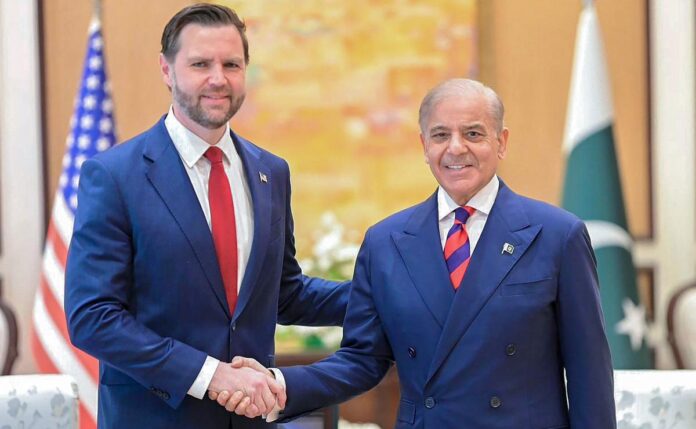
The United States has taken a significant diplomatic step by engaging in direct, high-level talks with Iran in Islamabad, marking a notable moment in ongoing efforts to ease regional tensions. The discussions bring together key representatives from both sides, signaling a willingness to pursue dialogue after a period of heightened uncertainty.
The talks are focused on establishing a framework for de-escalation, including potential ceasefire terms and broader stability measures. By choosing direct engagement, the United States is aiming to accelerate progress and reduce reliance on indirect channels that have historically slowed negotiations.
Islamabad has emerged as a strategic location for these discussions, offering a neutral ground for both parties. The setting reflects a coordinated international effort to facilitate dialogue and create conditions that are conducive to productive negotiations.
Officials familiar with the situation indicate that the discussions are structured to address both immediate concerns and longer-term stability. While no final agreement has been announced, the initiation of direct talks represents a meaningful step forward in diplomatic engagement.
Why It Matters
Direct negotiations between the United States and Iran carry significant implications for global stability. Reducing tensions in a critical region can help stabilize energy markets and lower the risk of broader conflict.
From an economic perspective, progress in talks could ease uncertainty in global markets, particularly in sectors sensitive to geopolitical developments such as energy and trade. Investors and policymakers are closely monitoring the situation for signs of sustained progress.
The move also reinforces the role of diplomacy in managing complex international challenges. By prioritizing dialogue, the United States is demonstrating an approach that balances strategic interests with the need for stability.
Additionally, successful negotiations could set a precedent for addressing other geopolitical issues through direct engagement, highlighting the value of communication in conflict resolution.
Political and Geopolitical Impact
Domestically, the talks are likely to influence discussions around foreign policy and national security. Diplomatic engagement at this level often shapes political narratives, international leadership and strategic priorities.
The initiative may also impact policy debates related to defense spending and international involvement, as progress in diplomacy can affect perceptions of risk and resource allocation.
Geopolitically, the talks position the United States as a central actor in efforts to manage regional tensions. Successful engagement could strengthen alliances and improve relationships with key partners.
The broader international community is also closely watching the developments, as outcomes from these discussions may influence global diplomatic strategies and cooperation efforts.
Implications
If the talks lead to tangible progress, they could mark the beginning of a more stable phase in U.S.-Iran relations, reducing immediate risks and supporting global economic stability.
However, the situation remains complex, and sustained effort will be required to translate discussions into lasting agreements. Challenges such as trust, compliance, and regional dynamics will continue to play a role.
In the long term, the development highlights the importance of proactive diplomacy in addressing global challenges. Continued engagement and coordination will be essential to maintaining momentum and achieving meaningful outcomes.
Sources
“U.S. and Iran hold direct talks in Islamabad to ease tensions”