Story Highlights
- A grand jury has decided not to bring criminal charges in the death of Nolan Wells, a Mississippi teenager.
- The decision has raised questions about the thoroughness of the investigation into Wells’ death.
- Wells’ family, represented by civil rights attorney Ben Crump, continues to seek answers regarding the circumstances surrounding his death.
- The grand jury’s findings indicate no evidence of foul play or racial motivation in the case.
What Happened
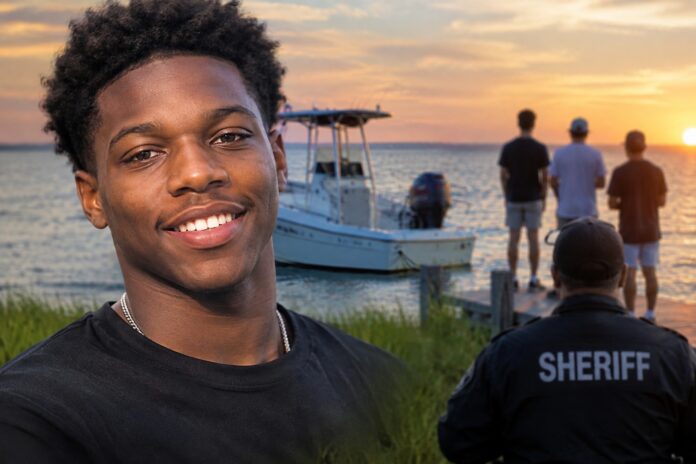
Nolan Wells, an 18-year-old from Mississippi, was found dead on July 6, 2026, two days after a boating trip with friends. The group had been celebrating the Fourth of July when Wells reportedly chose to remain on Horn Island after his friends decided to leave early due to a mechanical issue with their boat. The circumstances surrounding his disappearance and subsequent death have sparked significant public interest and concern, particularly given the racial dynamics involved. Wells was a black man who was last seen with three young white men, leading to speculation about the nature of his death. Jackson County District Attorney Angel Myers McIlrath announced that the grand jury had concluded there was insufficient evidence to charge anyone with a crime related to Wells’ death. In a statement, she emphasized that the evidence did not support allegations of foul play or racial motivation.
The grand jury heard testimony from 43 witnesses, including a forensic pathologist hired by Wells’ family to conduct an independent autopsy. The investigation found no credible evidence of criminal conduct related to Wells’ death. Police had stated that Wells accidentally drowned, with his friends saying he chose to stay back on Horn Island after they decided to leave early because of an issue with their boat. The grand jury’s findings have left the Wells family with more questions than answers, as they continue to seek clarity on the circumstances surrounding their son’s tragic death.
- Nolan Wells was last seen on July 4, 2026, during a boating trip.
- His body was discovered off the coast of Horn Island on July 6, 2026.
- The grand jury heard testimony from 43 witnesses, including a forensic pathologist.
- The investigation found no credible evidence of criminal conduct related to Wells’ death.
Why It Matters
The grand jury’s decision not to pursue charges in the Nolan Wells case has significant implications for the family and the broader community. For the Wells family, the outcome leaves them grappling with unanswered questions about their son’s tragic death. Ben Crump, the civil rights attorney representing the family, expressed that the grand jury’s findings only deepen their quest for clarity. The family’s insistence on understanding the circumstances surrounding Wells’ death highlights the ongoing struggle for accountability in cases involving young black men. The decision also raises concerns about the thoroughness of the investigation conducted by local authorities. Critics argue that the investigation may have lacked the rigor necessary to address the complexities of the case, particularly given the racial dynamics at play. This situation underscores the need for more comprehensive investigations in cases involving racial dynamics, as public trust in local law enforcement and the judicial process hangs in the balance.
- The Wells family continues to seek answers and justice for Nolan’s death.
- The decision may impact public trust in local law enforcement and the judicial process.
- It highlights the need for more comprehensive investigations in cases involving racial dynamics.
- The case has drawn attention to the broader issues of accountability and transparency in law enforcement.
Political and Public Context
The circumstances surrounding Nolan Wells’ death are not isolated incidents but rather part of a larger narrative concerning race, justice, and accountability in America. The case has drawn parallels to other high-profile incidents involving young black men, where questions of racial bias and systemic injustice have emerged. The involvement of a civil rights attorney like Ben Crump underscores the family’s desire for a thorough investigation and accountability. Crump has previously represented families in similar cases, advocating for justice and transparency. The grand jury’s findings also reflect a broader trend in which law enforcement and judicial processes are scrutinized for their handling of cases involving racial dynamics. As public sentiment regarding accountability in law enforcement continues to evolve, the Wells case may influence future cases involving similar dynamics.
- Ben Crump has represented families in other high-profile cases, advocating for justice.
- The case has drawn comparisons to other incidents involving young black men and questions of racial bias.
- Public sentiment regarding accountability in law enforcement continues to evolve.
- The investigation’s findings may influence future cases involving similar dynamics.
A grand jury declined to bring criminal charges regarding the death of Nolan Wells, an 18-year-old Black teenager who was found dead days after a Fourth of July trip with friends off the coast of Mississippi.
Read more: https://t.co/6Wz9zzj394
📸: Scott Olson via Getty Images pic.twitter.com/0R85U17E0o— Forbes (@Forbes) September 22, 2026
What Happens Next
Moving forward, the Wells family is expected to continue their pursuit of answers regarding Nolan’s death. The decision by the grand jury does not preclude the possibility of civil action, and the family may explore legal avenues to seek justice. Additionally, the case may prompt further discussions about the need for reform in investigative practices, particularly in cases involving racial dynamics. The community’s response to the grand jury’s findings will also be crucial in shaping the narrative surrounding this case. As public interest remains high, the Wells family’s quest for answers may lead to increased scrutiny of local law enforcement practices and the judicial process. The outcome of this case could set a precedent for how similar cases are handled in the future, emphasizing the importance of transparency and accountability.
- The Wells family may consider pursuing civil action for justice.
- Community discussions about investigative practices may emerge.
- Public interest in the case may lead to further scrutiny of law enforcement.
- Future developments may influence how similar cases are handled in the judicial system.