Story Highlights
- Senator Roger Wicker expresses concerns over Xi Jinping’s policies.
- President Trump prepares for a crucial summit with Xi in Washington, D.C.
- The meeting will address trade and artificial intelligence issues.
- Wicker urges the president to raise human rights concerns during discussions.
What Happened
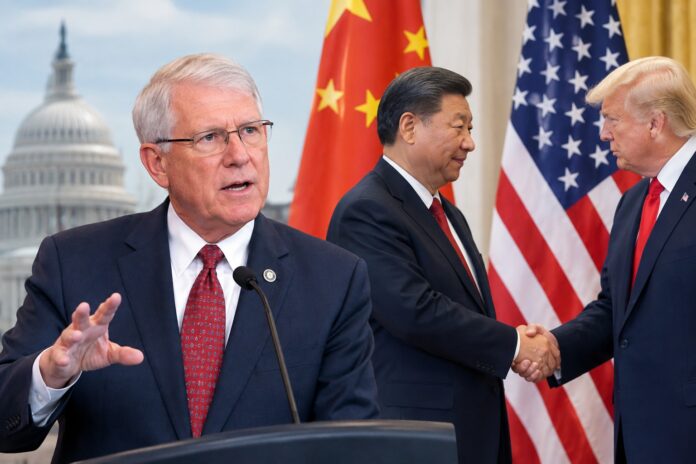
In a significant display of bipartisan concern, GOP Senator Roger Wicker of Mississippi publicly criticized Chinese President Xi Jinping ahead of a highly anticipated summit with President Trump. Wicker’s remarks, delivered on the Senate floor, reflect a growing unease among U.S. lawmakers regarding China’s policies and actions under Xi’s leadership. The senator stated that if the White House had sought his advice, he would have recommended against extending a lavish welcome to Xi, citing troubling issues with the Chinese Communist Party.
The summit, scheduled to take place at Joint Base Andrews, marks the first in-person meeting between the two leaders since May. President Trump is set to greet Xi, and the two will engage in discussions that are expected to focus on critical topics such as trade relations and the burgeoning competition in artificial intelligence. This meeting comes at a pivotal moment, as the expiration of a U.S.-China trade truce looms on November 10, raising questions about the future of economic relations between the two nations.
- Senator Roger Wicker criticized Xi Jinping on the Senate floor.
- The summit is scheduled for Wednesday at Joint Base Andrews.
- President Trump and First Lady Melania Trump will host a state dinner for Xi and his wife.
- The meeting will address trade and AI, with a trade truce expiring soon.
Why It Matters
The implications of Wicker’s remarks and the upcoming summit extend far beyond mere diplomatic niceties. As the world watches, the meeting between Trump and Xi represents a critical juncture in U.S.-China relations, particularly in the context of trade and technology. The senator’s call for the president to address human rights abuses in China underscores the moral imperative that accompanies diplomatic engagement. Wicker specifically highlighted the plight of the Uyghur Muslims, who have faced severe repression under Xi’s regime, as well as the persecution of Tibetan Buddhists and other religious minorities.
Wicker’s insistence that Trump should not overlook these issues during the summit reflects a broader sentiment among many lawmakers who believe that economic discussions cannot be divorced from ethical considerations. The potential for progress in trade negotiations is significant, but it must be balanced with a commitment to human rights. The outcome of this summit could set the tone for future interactions between the two nations, influencing not only economic policies but also the global perception of China’s human rights record.
- The summit could redefine U.S.-China economic relations.
- Human rights discussions may influence future diplomatic engagements.
- Lawmakers are increasingly vocal about ethical considerations in trade.
- The outcome may affect global perceptions of China’s leadership.
Political and Public Context
Understanding the context of this summit requires a look at the broader geopolitical landscape. The relationship between the United States and China has been fraught with tension, particularly in recent years. The trade war initiated by the Trump administration aimed to address long-standing grievances regarding trade imbalances and intellectual property theft. However, as the two nations navigate these complex issues, the emergence of artificial intelligence as a key battleground adds another layer of urgency to their discussions.
Moreover, the timing of this summit is critical, as it occurs just weeks before the expiration of a trade truce that has provided a temporary reprieve from escalating tariffs. The potential for renewed tensions looms large, and both leaders must tread carefully to avoid further destabilizing an already fragile relationship. Additionally, Wicker’s comments about Xi’s oppressive regime serve as a reminder of the ethical dilemmas that accompany economic negotiations with a country that has faced widespread condemnation for its human rights abuses.
- The U.S.-China trade war has shaped recent diplomatic interactions.
- Artificial intelligence is emerging as a key area of competition.
- The trade truce expiration adds urgency to the summit discussions.
- Human rights issues remain a contentious point in U.S.-China relations.
What Happens Next
As the summit approaches, several key questions remain unanswered. Will President Trump heed Senator Wicker’s advice and address human rights abuses during his discussions with Xi? The outcome of this meeting could have far-reaching implications for both nations, particularly in terms of trade agreements and technological collaboration. Furthermore, the potential for lowering tariffs on noncritical products, as suggested by Treasury Secretary Scott Bessent, could signal a willingness to find common ground, but it must be approached with caution.
Looking ahead, the administration’s strategy in dealing with China will be closely scrutinized. The president’s ability to balance economic interests with ethical considerations will be paramount in shaping the future of U.S.-China relations. As the world watches, the actions taken during this summit could either pave the way for a more cooperative relationship or exacerbate existing tensions.
- Will Trump address human rights issues during the summit?
- What will be the outcome of discussions on trade and tariffs?
- How will the summit influence future U.S.-China relations?
- What strategies will the administration adopt moving forward?