Story Highlights
• USDA announces a sweeping overhaul of national nutrition policy.
• New framework aims to cut chronic disease and improve food quality.
• Officials frame the move as a long‑term public‑health investment.
What Happened
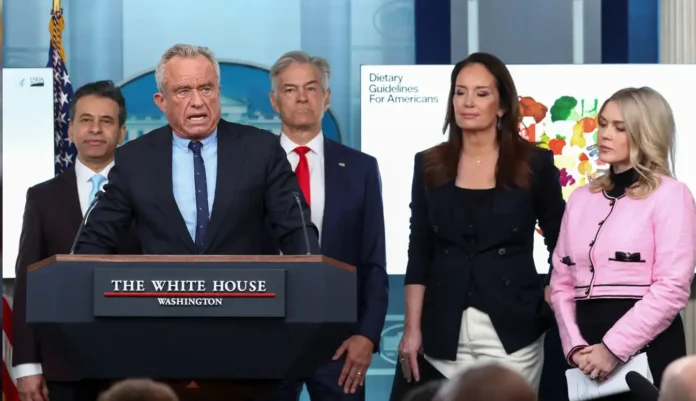
The U.S. Department of Agriculture this week unveiled what senior officials described as a historic reset of American nutrition policy, backing a broad initiative aligned with President Trump’s “Make America Healthy Again” platform. The announcement, delivered through official USDA statements and an op‑ed by senior health officials, outlines a new strategy to modernize dietary guidelines, strengthen nutrition standards in federal food programs, and promote access to healthier foods nationwide. The initiative places a new emphasis on whole foods, reduced sugar consumption, and clearer food labeling to help consumers make informed choices.
USDA leaders said the reforms are designed to address rising rates of obesity, diabetes, and cardiovascular disease, which together cost the U.S. economy hundreds of billions of dollars annually in healthcare expenses and lost productivity. The reset also seeks to revise federal school lunch and assistance programs so that government‑supported meals align more closely with updated nutritional science. Officials framed the move as a structural change rather than a short‑term campaign, signaling that nutrition policy will become a central pillar of domestic health strategy.
Why It Matters
Chronic disease remains one of the largest long‑term burdens on the U.S. healthcare system. By directly tying federal food programs, labeling standards, and dietary guidelines to new public‑health priorities, the administration is attempting to reshape how Americans eat at scale — particularly among low‑income families who rely most heavily on government nutrition programs. Supporters argue that these changes could significantly reduce long‑term healthcare spending and improve national productivity.
The initiative also places Washington more squarely in the role of shaping food industry behavior. Clearer labeling standards and revised procurement rules could pressure food manufacturers and agricultural suppliers to adjust ingredients, sourcing, and marketing practices. While industry groups have not yet fully responded, past efforts show that federal purchasing standards can influence the broader commercial food market.
Political and Geopolitical Context
Domestically, the nutrition reset strengthens the Trump administration’s message that public health, economic growth, and national security are interconnected. By linking food policy to long‑term workforce readiness and healthcare sustainability, the administration is positioning nutrition reform as both a social and economic investment.
Internationally, the move also signals a potential shift in how U.S. agricultural standards are perceived abroad. Changes to labeling, food safety benchmarks, and nutrition guidelines could influence trade negotiations, export standards, and global food manufacturing practices, especially for countries that align their own regulatory systems with U.S. rules.
Implications
If fully implemented, the nutrition reset could reshape how Americans eat for a generation — influencing school meals, food labeling, and federal assistance programs nationwide. Over time, the policy may also drive major changes in the food manufacturing sector, encouraging healthier formulations and greater transparency across the U.S. food supply chain.
Sources:
• Kennedy, Rollins Unveil Historic Reset of U.S. Nutrition Policy