Story Highlights
- Iran signaled it was suspending peace talks with the United States over alleged ceasefire violations tied to Lebanon.
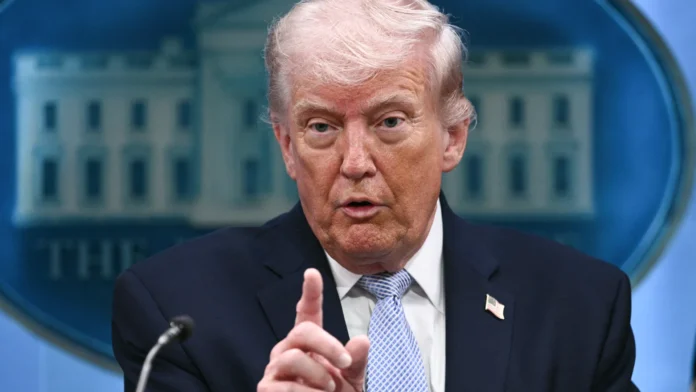
- Trump dismissed the reported breakdown before later insisting negotiations were still continuing.
- The uncertainty has increased pressure on oil markets and raised new questions about the future of the Iran ceasefire track.
What Happened
Iran signaled that it was halting peace negotiations with the United States, citing alleged ceasefire violations connected to Israeli military operations in Lebanon.
The move injected new uncertainty into talks that had already been strained by disagreements over the Strait of Hormuz, Iran’s nuclear program, sanctions relief, and the role of Hezbollah in any broader regional settlement.
- Iran has linked progress in talks to the Lebanon ceasefire issue.
- The United States says negotiations remain active.
- Trump has publicly downplayed the reported breakdown.
Reuters reported that Iran has reaffirmed support for Hezbollah and is insisting that any wider peace deal include a ceasefire between Hezbollah and Israel, as well as Israeli withdrawal from southern Lebanon. That position has complicated U.S.-Iran negotiations because Washington is trying to manage both direct talks with Tehran and Israeli military decisions in Lebanon. Reuters reported that the Lebanon front remains one of the main obstacles to a broader settlement.
Trump initially brushed off reports that the talks were breaking down, arguing that the United States was not desperate for an agreement. He later insisted that conversations were still continuing and that a deal remained possible.
Why It Matters
The reported suspension matters because the U.S.-Iran ceasefire process is one of the most important diplomatic tracks currently underway. If it collapses, the risk of renewed military escalation could rise quickly.
The dispute also shows how complicated the conflict has become. The United States is trying to negotiate with Iran, restrain escalation near the Strait of Hormuz, and manage Israeli operations in Lebanon at the same time.
- A breakdown could revive direct U.S.-Iran hostilities.
- Lebanon has become a key pressure point in the talks.
- Trump’s public messaging may affect how both allies and adversaries interpret U.S. resolve.
Lebanese President Joseph Aoun has criticized Iran for using Lebanon as leverage in the talks. Reuters reported that Aoun accused Tehran of treating Lebanon as a bargaining chip, while Hezbollah rejected U.S.-mediated ceasefire terms involving withdrawal from southern Lebanon. Reuters reported that Lebanon’s leadership remains divided over Hezbollah’s role and the path to de-escalation.
For Trump, the challenge is preserving diplomatic momentum while avoiding the appearance of weakness. His dismissive public tone may be intended as leverage, but it also risks creating confusion about how seriously the White House views the talks.
Political and Public Context
The talks are unfolding as Trump faces growing pressure at home over the Iran war. Congress has already moved to challenge his war authority, and voters are increasingly focused on fuel prices, inflation, and the risk of a wider conflict.
At the same time, Trump is trying to present the ceasefire process as proof that his pressure campaign is working. If talks resume and produce a deal, he could argue that military strength forced Iran to negotiate. If talks collapse, Democrats and some Republicans may argue that the administration lacked a stable endgame.
- Trump wants to show that pressure is producing diplomatic results.
- Iran is trying to keep leverage through regional allies and chokepoints.
- Israel’s actions in Lebanon remain a major variable in whether talks survive.
The situation has also grown more volatile near the Strait of Hormuz. AP reported that the U.S. military shot down Iranian drones launched toward the Strait and struck Iranian coastal radar sites, saying the drones threatened regional maritime traffic. AP reported that the incident added fresh risk to the ceasefire environment.
Those military incidents make diplomacy harder. Even when leaders say talks continue, battlefield events can quickly change the political calculation on both sides.
What Happens Next
The immediate question is whether Iran’s suspension is a negotiating tactic or the start of a deeper collapse in the peace process. Tehran may be using the move to force concessions over Lebanon, sanctions, or maritime restrictions.
The White House is likely to keep insisting that talks remain alive while pressing Iran for commitments on Hormuz, nuclear limits, and regional de-escalation.
- U.S. officials may try to restore indirect talks through regional intermediaries.
- Iran may demand stronger guarantees tied to Lebanon and sanctions relief.
- Further military incidents near Hormuz could derail the process entirely.
For now, the ceasefire track remains fragile but not dead. Trump is publicly dismissing the idea of a breakdown, while Iran is signaling that talks cannot move forward unless its regional concerns are addressed.
The next few days will show whether the pause becomes a bargaining tactic, a temporary setback, or the beginning of a wider diplomatic collapse.
Sources
- Iran halts ceasefire talks with US, says it will keep Strait of Hormuz closed
- Iran declares support for Hezbollah with wider peace deal in doubt
- Iran using Lebanon as bargaining chip in US talks, Lebanese president says
- US military says it shot down Iranian drones launched toward Strait of Hormuz
- Iran war live: US says Iranian drones shot down, radar sites attacked