Story Highlights
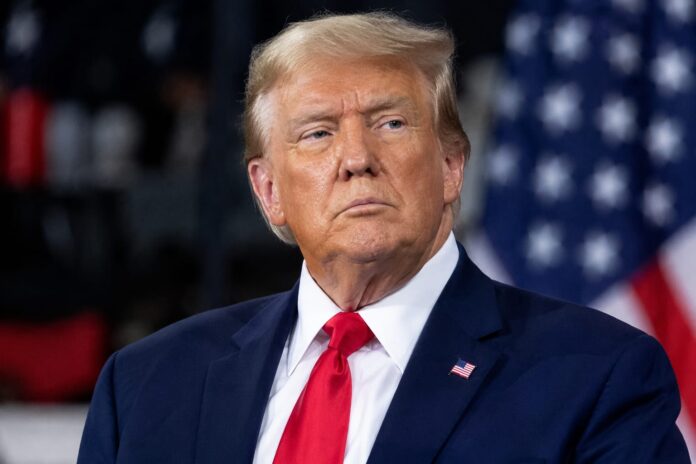
- President Trump will headline a rally in St. Clair County, Michigan on October 25 as part of a seven-state campaign tour within seven days
- Michigan features highly competitive gubernatorial, Senate, and House races with national implications for control of Congress
- Democratic operatives have intensified their campaign efforts, with Rep. Alexandria Ocasio-Cortez and former President Obama visiting the state to support Democratic candidates
- Trump’s aggressive campaign schedule demonstrates his continued influence within the Republican Party and commitment to supporting party nominees
What Happened
President Trump announced plans to campaign in Michigan on October 25 as part of an ambitious seven-state tour within seven days. The Republican National Committee confirmed on Friday that the president will headline a rally in St. Clair County, Michigan, following an appearance in Macon, Georgia on October 24. This Michigan stop represents a critical component of his broader midterm strategy, bringing direct support to Republican candidates in one of the nation’s most competitive electoral battlegrounds.
Trump’s week-long campaign itinerary begins Monday with a rally in Wichita, Kansas, followed by stops in Greenville, North Carolina on Tuesday; Clemson, South Carolina on Wednesday; Sioux City, Iowa on Thursday; and Fort Myers, Florida on Friday, before concluding with appearances in Georgia and Michigan. This aggressive schedule underscores his determination to mobilize Republican voters during the final weeks of the midterm election cycle.
- Rally scheduled for St. Clair County, Michigan on October 25
- Seven-state tour across Kansas, North Carolina, South Carolina, Iowa, Florida, Georgia, and Michigan within seven consecutive days
- Republican National Committee officially announced the campaign schedule on Friday
- Vice President Vance recently campaigned with Republican Senate nominee Mike Rogers in Michigan
Why It Matters
Michigan represents one of the most consequential states in the current midterm landscape, with multiple high-stakes races that could significantly influence control of the U.S. Senate and House. The state’s Senate race has attracted national attention, with many Democrats growing optimistic about their candidate’s prospects. Trump’s personal involvement signals that Republican leadership considers Michigan essential to achieving midterm objectives, and his presence generates powerful motivation for party activists and voters.
The president’s decision to dedicate intensive personal effort to these battleground states reflects recognition that Republican success depends on maximum turnout and enthusiasm among the party’s base voters. His rallies consistently draw large crowds and generate significant media coverage, amplifying campaign messages and creating momentum for Republican nominees. The competitive nature of Michigan’s races makes Trump’s direct engagement particularly strategically significant for Republican efforts to maintain and expand their congressional representation.
- Michigan Senate, gubernatorial, and House races remain highly competitive with national implications for Congress
- Trump’s personal campaign efforts energize Republican base voters and provide media amplification for party nominees
- Democratic campaigns are intensifying with prominent figures visiting the state to support their candidates
- Campaign rallies generate grassroots momentum that translates into voter turnout and volunteer activity
Political and Public Context
The intensity of Trump’s midterm campaign schedule reflects the highly polarized political environment heading into the elections. Both major parties recognize that control of Congress hangs in the balance, prompting unprecedented levels of campaign investment and personal engagement from senior party figures. The president’s seven-state tour exemplifies how seriously Republican leadership takes the midterm challenge in competitive states.
Michigan has become a focal point for both parties’ strategies. Democratic operatives, including Rep. Alexandria Ocasio-Cortez, have actively campaigned in the state to support Democrat Abdul El-Sayed. Former President Obama is also scheduled to campaign in Michigan on October 24, one day before Trump’s visit. Meanwhile, Vice President Vance campaigned alongside Republican Senate nominee Mike Rogers, demonstrating the administration’s commitment to supporting Republican candidates. This intensifying competition reflects the state’s significance as a battleground where either party’s success could substantially impact midterm outcomes.
- Midterm elections feature intense competition in multiple battleground states with control of Congress at stake
- Democratic campaign efforts include visits from progressive legislators and former administration officials
- Vice President Vance actively campaigns for Republican nominees in targeted states
- Former President Obama scheduled to campaign in Michigan on October 24
Donald Trump's midterm campaign blitz arrives in Georgia on Friday for a rally with top Republican candidates in a state that has long been the epicenter of the president's false claims about election fraud. pic.twitter.com/tPUBVHqhGL
— CBS Atlanta (@CBSNewsATL) October 16, 2026
What Happens Next
The Michigan rally on October 25 will be closely watched as an indicator of Republican momentum heading into the final weeks of the midterm campaign. Media coverage of the event will likely focus on crowd size, candidate participation, and the intensity of Trump’s messaging regarding both specific Michigan races and broader national themes.
Following the Michigan appearance, continued competition for voter attention will intensify as both parties deploy their most prominent figures for maximum impact. Election Day results in Michigan Senate, gubernatorial, and House races will provide crucial evidence regarding whether the president’s intensive campaign involvement successfully mobilized sufficient Republican support to achieve party objectives in this critical state. The convergence of Trump’s Michigan visit with Obama’s appearance demonstrates the strategic importance both parties attach to winning this crucial battleground.
- Michigan rally on October 25 will generate substantial media coverage and grassroots campaign activity
- Democratic campaign events will continue throughout final weeks with competing appearances designed to counter Republican momentum
- Midterm election results will demonstrate the effectiveness of intensive presidential campaign engagement in mobilizing voter support
- Final weeks of campaign will feature escalating engagement from both parties in key battleground races