Story Highlights
- President Trump denied involvement in Ukraine’s Starlink outage, stating neither he nor Elon Musk caused the service disruption affecting military communications
- White House officials confirmed no request was made by the administration to restrict Starlink access to Ukrainian forces
- The controversy emerged amid tensions between Trump and Ukrainian President Zelensky over military strategy and resource allocation
- Republican senators called for investigation into the incident, citing potential impact on Ukraine’s defensive capabilities against Russian attacks
What Happened
Ukraine reported a significant Starlink outage on Wednesday that specifically affected its military communications infrastructure. The service disruption involved restrictions on devices traveling faster than 100 miles per hour, which directly impacted the operational capabilities of Ukrainian military drones, aircraft, and helicopters relying on the satellite communication system for coordination and strategic operations.
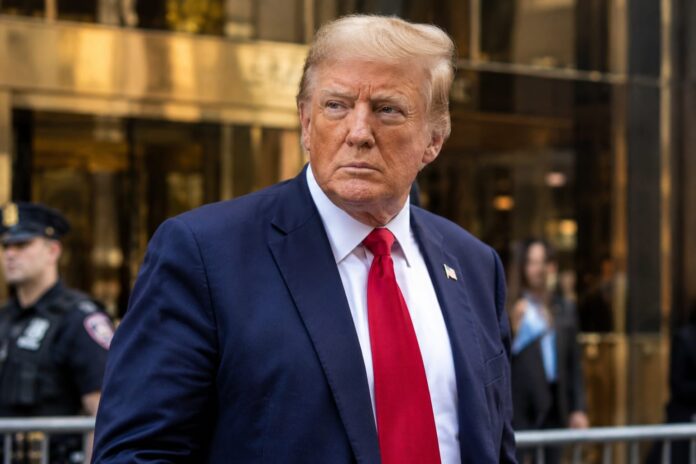
When questioned about the incident, the President addressed reporters during a campaign stop in Georgia, firmly rejecting any personal involvement or responsibility. He characterized the service disruption as minimal, indicating he had checked on the matter and believed the system remained largely functional. His response extended to SpaceX founder Elon Musk, with the President asserting that neither of them had directed or authorized any restrictions on Ukrainian access.
White House officials reinforced this position through official channels, providing additional assurance that no directive came from the administration regarding Starlink service limitations for Ukraine’s military applications.
- Ukraine’s military reported Wednesday that it lost access to the military version of Starlink for communications purposes
- Speed restrictions on Starlink devices traveling beyond 100 mph affected drones, aircraft, and helicopter operations
- President Trump denied involvement during campaign stop in Georgia on Friday
- White House officials confirmed no request for service restrictions originated from the administration
Why It Matters
The Starlink access controversy strikes at the heart of ongoing military support for Ukraine and raises critical questions about control mechanisms over civilian infrastructure used for defense purposes. SpaceX’s satellite communication network has become integral to Ukrainian military operations, particularly for coordinating drone strikes and defensive countermeasures against Russian aerial assaults on civilian infrastructure. Any interruption to this service directly threatens the effectiveness of Ukraine’s defensive posture.
Beyond the immediate operational concerns, the incident illuminates the complex relationship between commercial technology providers, government authority, and military necessity in contemporary warfare. The fact that service restrictions could be implemented unilaterally raises questions about governance, oversight, and the strategic leverage exercised through control of critical infrastructure. These considerations become particularly significant given the administration’s approach to foreign policy and the balance between supporting allied nations and maintaining leverage in international negotiations.
The broader implications extend to confidence in technology partnerships during military operations and the degree to which commercial entities should participate in defense-critical systems. Additionally, the dispute reflects underlying tensions regarding Ukraine’s strategic autonomy and military decision-making authority in its conflict with Russia.
- Military communications disruptions directly compromise Ukraine’s ability to coordinate defensive operations against Russian drone and missile attacks
- Incident raises questions about control mechanisms over civilian infrastructure used for national defense purposes
- Commercial technology providers face scrutiny regarding their role in government-directed restrictions on service access
- Diplomatic tensions between the administration and Ukrainian leadership intensify over military resource allocation and strategic coordination
Political and Public Context
The Starlink dispute emerges within a broader framework of shifting American policy toward Ukraine and the mechanics of military aid provision. The administration has taken a more measured approach to Ukraine support compared to the previous administration, emphasizing strategic calculations alongside humanitarian commitments. This context provides backdrop for the President’s dismissive characterization of Zelensky as not being a positive partner for American interests.
Republican senators have begun voicing concerns that appear aligned with this recalibration of priorities. A group of GOP legislators formally requested an investigation into the Starlink incident, citing the degradation of Ukraine’s defensive capabilities as grounds for concern. Their correspondence to Pentagon leadership emphasized the potentially catastrophic consequences of losing access to critical satellite communication infrastructure during active conflict.
The incident also reflects the broader debate within conservative circles regarding the extent and nature of American commitment to Ukraine’s defense. While some voices emphasize the strategic importance of degrading Russian military capacity, others prioritize fiscal restraint and challenge the open-ended nature of current support levels. The Starlink controversy provides a concrete focal point for these discussions, raising questions about technology, sovereignty, and the proper exercise of American influence.
- Administration has adopted more strategic and measured approach to Ukraine military support compared to previous administration
- Republican senators formally requested investigation into Starlink incident through Pentagon inspector general correspondence
- Tensions between the President and Ukrainian leadership reflect divergent views on military strategy and offensive operations
- Broader conservative debate continues regarding extent of American commitment to Ukraine defense operations
Trump claims neither he nor Musk caused Ukraine Starlink outagehttps://t.co/x3oaCUFaIG
— The Hill (@thehill) October 16, 2026
What Happens Next
The Pentagon inspector general investigation requested by Republican senators will likely proceed to examine the circumstances surrounding the Starlink service restrictions and determine whether policy directives were issued from any level of government. This investigation provides an opportunity to establish a clear evidentiary record regarding decision-making processes and authority structures governing the use of civilian communication infrastructure for military purposes.
Diplomatic channels between Washington and Kyiv will require attention to manage the apparent friction between the administration and Ukrainian leadership. The characterization of Zelensky as a difficult partner suggests potential complications for future coordination on military matters and resource allocation. Simultaneously, continued discussions regarding appropriate limits on Ukrainian military operations, particularly regarding strikes on Russian territory, will likely remain contested points in the broader policy debate.
The incident also foreshadows potential broader questions about American control over critical technologies supplied to allied nations. As the administration evaluates ongoing support structures and explores mechanisms for maintaining strategic leverage, additional scrutiny may be directed toward service limitations and operational boundaries for equipment and systems provided to international partners.
- Pentagon inspector general to conduct formal investigation into Starlink service restrictions and potential government directives
- Diplomatic discussions between Washington and Kyiv expected to address military coordination and strategic alignment
- Administration likely to continue evaluating parameters for Ukrainian military operations and offensive capabilities
- Broader policy framework regarding technology control and leverage mechanisms over allied nations remains under development