The U.S.-Iran war that began in late February 2026 is lurching toward a fragile negotiated settlement, but the deal taking shape bears little resemblance to the sweeping victory President Trump once promised. As both sides exchanged military strikes near the Strait of Hormuz this week, the gap between Trump’s original demands and what now appears achievable has become impossible to ignore.
Story Highlights
- U.S. forces struck Iranian missile and drone launch sites on May 7 after Iran attacked American destroyers in the Strait of Hormuz
- Trump claimed Iran had agreed to nuclear concessions, but Iranian state media said Tehran had not finalized its response
- Analysts say Trump has quietly abandoned early goals including regime change, unconditional surrender, and cutting Iran’s proxy networks
What Happened
U.S. Central Command confirmed on May 7 that American forces responded to what it described as “unprovoked” Iranian attacks on Navy guided-missile destroyers transiting the Strait of Hormuz. Iranian missiles, drones, and small boats attacked U.S. Navy destroyers in the strait, but U.S. forces intercepted the incoming threats. In response, the U.S. military targeted Iranian missile and drone launch sites, command and control locations, and intelligence, surveillance, and reconnaissance nodes. CNN
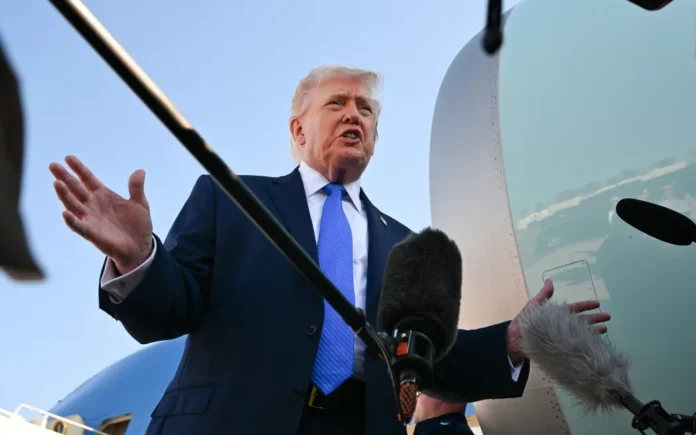
President Donald Trump, speaking to reporters Thursday evening, struck a measured tone but warned of escalation. Trump said American forces destroyed the Iranian attackers and warned that the U.S. would respond “a lot harder, and a lot more violently” if Iran failed to sign a deal soon. He also insisted the ceasefire, which he had announced in April, remained in effect. The remarks carried an unmistakable sense of urgency, as negotiations with Tehran have dragged on for weeks without resolution. CNN
The United States and Iran originally agreed to a two-week ceasefire on April 8, mediated by Pakistan. That truce has since been violated repeatedly by both parties, and Trump himself acknowledged as much, saying on April 21 that Iran had violated the ceasefire numerous times. Despite this, Washington has continued pursuing diplomacy, with Pakistan serving as a key intermediary between the two governments. WikipediaWikipedia
The broader picture is one of significant strategic retreat for the Trump administration. Trump once declared on social media that there would be “no deal with Iran except UNCONDITIONAL SURRENDER,” but the preliminary framework now under discussion represents a substantial departure from that early posture. Regime change, which Trump explicitly called for in his announcement the night the war launched in late February, telling Iranians to take over their government, is no longer part of the discussions at all. CNNCNN
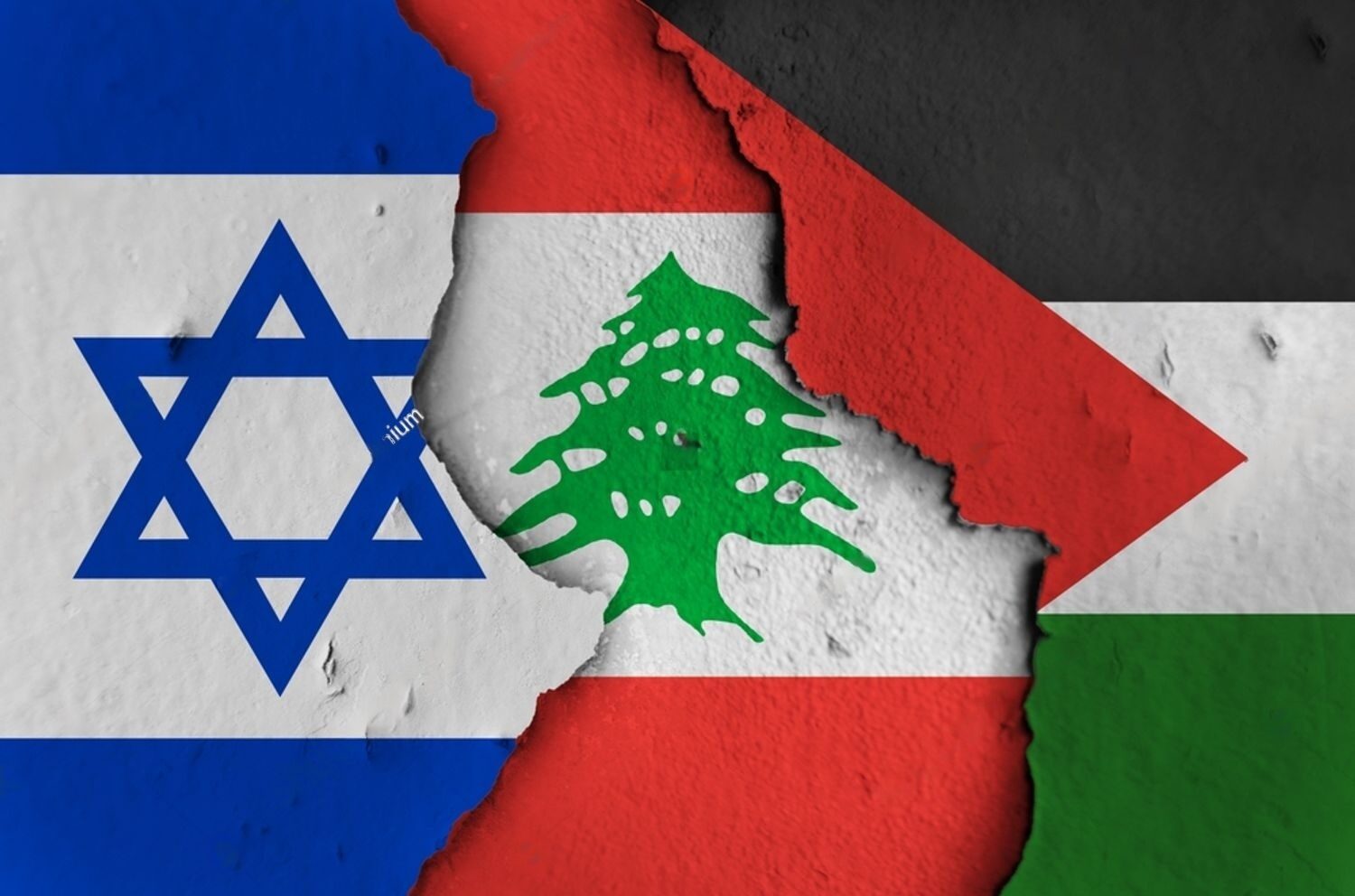
A third priority that had appeared on the administration’s list of goals was ending Iran’s support for proxy groups in the Middle East, including Hamas and Hezbollah. However, the details of negotiations reported thus far have not included proxy groups, and Trump did not mention them when discussing the prospects for a deal. CNN
Why It Matters
The unraveling of Trump’s stated war aims has significant political consequences at home. The president entered this conflict with bold rhetoric and sky-high public expectations, promising a transformative outcome for U.S. national security. Settling for a deal that leaves Iran’s proxy infrastructure intact, its leadership in power, and its nuclear program subject only to partial constraints would represent a striking reversal for an administration that built its foreign policy brand on maximum pressure.
Domestically, the war has become an economic burden. The conflict in Iran has caused fluctuations in oil markets and driven up gasoline prices, with the average U.S. gas price standing at $4.55 per gallon as of Friday, according to AAA. That figure bites into household budgets and has added to inflationary pressure that economists are closely monitoring. Any deal that reopens the Strait of Hormuz fully and sustainably would provide immediate economic relief, but a fragile or partial agreement could leave energy markets in a prolonged state of uncertainty. Washington Times
The geopolitical fallout from abandoned goals also matters to policymakers and voters who supported this military engagement. Iran hawks within the administration have grown visibly frustrated. At a Defense Department briefing, a journalist pressed Secretary Pete Hegseth to account for the failure to deliver regime change and asked what happened to the pledge made to the Iranian people. That question reflects a broader reckoning that the administration has not fully addressed publicly. CNN
For Iran, the outcome of negotiations will shape the Islamic Republic’s long-term standing in the region. Tehran has framed any agreement that does not include U.S. withdrawal from regional bases and sanctions relief as an unacceptable capitulation. The disconnect between what both sides say they will accept remains wide enough to make a durable deal genuinely uncertain.
Economic and Global Context
The Strait of Hormuz, through which roughly one-fifth of the world’s oil and liquefied natural gas ordinarily flows, has been the central economic flashpoint of this war. Iran’s effective closure of the strait since the conflict began has caused what analysts describe as the largest disruption to global oil supplies in modern history. The downstream effects — higher fuel costs, tighter shipping lanes, and supply chain disruptions for everything from fertilizer to consumer goods — have been felt across multiple continents.
Iran has laid out new rules for ships seeking to cross the Strait of Hormuz, and Iranian state media indicated that the future of passage through the strait will likely reflect a new balance of power and security considerations in the region, with Iran and Oman playing a central role. If Iran retains even partial leverage over commercial traffic through the strait, it would represent a permanent and costly shift in global trade dynamics. CBS News
China has played an active diplomatic role throughout the conflict. Iranian Foreign Minister Abbas Araghchi met with Chinese counterpart Wang Yi in Beijing, thanking China for reaffirming Iran’s right to national sovereignty and expressing trust in China’s continued role in promoting peace. Beijing’s position as a trusted interlocutor for Tehran gives it significant influence over the shape of any final agreement, a dynamic with long-term implications for U.S.-China competition in the Middle East. CBS News
Implications
If a deal is eventually reached, its terms will be scrutinized intensely by U.S. allies, adversaries, and domestic critics alike. A settlement that falls short of Trump’s original benchmarks will invite charges that the administration overcommitted militarily and then negotiated from a weakened position. That narrative could complicate Republican messaging heading into the 2026 midterm elections, particularly on national security.
For businesses and energy markets, the primary variable is whether the Strait of Hormuz will be reliably reopened. Even a temporary ceasefire that restores normal shipping flows could produce a swift decline in fuel prices, easing some of the inflationary pressure that has dampened consumer spending. However, markets have already priced in significant risk premium related to the conflict, and any agreement perceived as unstable would limit price relief.
For Iran’s population, the stakes are existential. As noted by observers, many Iranians who had hoped for regime change now feel abandoned by the outcome. Others, weary of military strikes and economic isolation, simply want the fighting to stop. The final shape of any deal will determine whether Iran emerges from this period with its political system intact and its economy partially restored, or whether it enters a prolonged state of internal instability.
Sources
Trump is not getting what he initially wanted from the Iran war