Story Highlights
• ICE agent fatally shoots 37-year-old woman in Minneapolis.
• Local officials dispute federal self-defense claims; video evidence fuels debate.
• Incident triggers protests and broader scrutiny of immigration enforcement.
What Happened
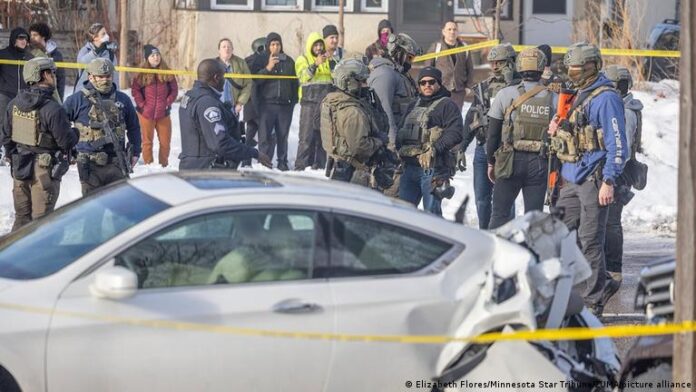
On Jan. 7, 2026, a U.S. Immigration and Customs Enforcement (ICE) agent shot and killed 37-year-old Renee Nicole Good in Minneapolis during a federal immigration enforcement surge in the city. Federal officials initially stated the agent acted in self-defense after the woman allegedly attempted to use her vehicle to harm officers. However, eyewitness accounts and video evidence have challenged this narrative, showing the woman’s car reversing and moving away from agents when at least one agent fired his weapon. Minnesota law and federal guidelines generally permit use of deadly force only when there is an imminent threat of death or serious injury, raising questions about whether the officer’s actions were justified and whether prosecution is possible under state or federal law.
Why It Matters
The fatal shooting has ignited public outcry and protests in Minneapolis and beyond, sparking debates about federal immigration enforcement tactics and the use of force by law enforcement. Local officials, including the mayor, have vocally disputed the federal government’s characterization of the incident, accusing authorities of misrepresentation and unnecessary escalation. The case highlights longstanding national controversies over immigration policy, qualified immunity for federal agents, and law enforcement accountability.
Political and Geopolitical Implications
Domestically, this incident could influence political debates around immigration enforcement policies, law enforcement reform, and federal-local coordination. Advocates for reform argue the shooting underscores systemic issues in how federal operations are carried out, while supporters of aggressive immigration enforcement defend agents’ actions as necessary in hostile environments. This episode also has potential implications for election-year politics, as public safety and immigration remain salient voter concerns. On the international front, the incident may influence perceptions of U.S. law enforcement credibility and rule-of-law commitments.
Implications:
The outcome of potential investigations and legal proceedings could set precedents for how federal agents are held accountable under state law, affecting future enforcement strategies and shaping public trust in federal operations.
Sources:
Can the ICE agent who shot a Minneapolis woman be prosecuted? — Reuters