Story Highlights
- The president made controversial remarks about U.S. cities during a Nebraska rally while discussing military strategy and geopolitical concerns
- White House officials characterized the comments as being misrepresented by media outlets and framed within the context of preventing nuclear proliferation
- California officials and media figures questioned the remarks, while administration representatives declined to provide additional clarification
- The incident underscores broader debates about national security priorities and how military decisions affect domestic policy
What Happened
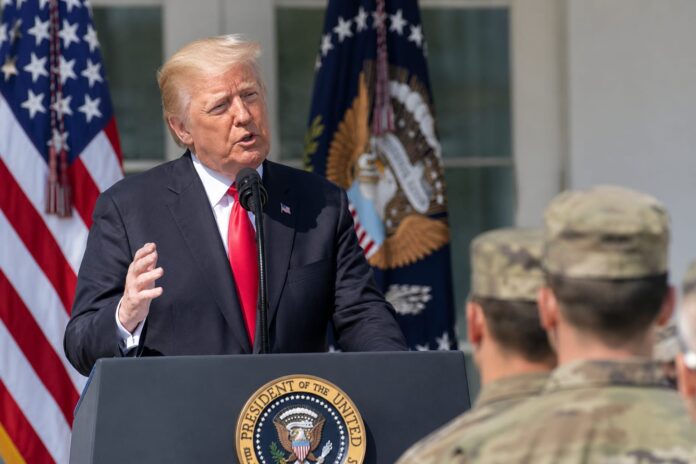
During a rally in Nebraska on Monday, the president made remarks regarding military strategy and geopolitical threats while discussing the relationship between international conflicts and domestic economic conditions. In the context of addressing oil prices and their connection to global security matters, the administration’s approach to deterring hostile nations came under discussion. When pressed by reporters at the White House the following day to expand on or clarify these comments, the president declined to provide additional context or explanation.
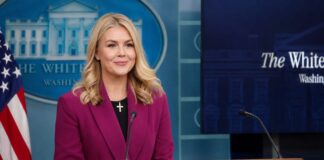
The incident prompted responses from various political figures and media outlets, with some characterizing the remarks as alarming while others within the administration argued they had been taken out of context. White House Communications Director Stephen Cheung issued a statement suggesting the media reaction was not grounded in accurate representation of what had been said, instead emphasizing the administration’s accomplishments in weakening hostile regimes and strengthening American security posture.
- Rally held in Nebraska on Monday with discussion of military strategy and economic impacts
- Reporter questions at White House on Tuesday left unanswered by the president
- White House Communications Director released statement defending the remarks as mischaracterized
- California officials responded with criticism of the administration’s framing
Why It Matters
The exchange highlights fundamental tensions between national security decision-making and public communication around military strategy. How administration officials articulate positions on foreign threats and the costs associated with deterrence shapes public perception of presidential priorities. The refusal to clarify remarks about major American cities reflects broader questions about transparency in national security matters and how the administration chooses to engage with media scrutiny.
The incident also underscores the stakes involved in contemporary geopolitical competition. The administration has implemented policies aimed at preventing hostile regimes from acquiring advanced military capabilities, positioning such efforts as essential to American safety. Critics and supporters alike recognize that the public understanding of these trade-offs directly influences political support for such policies. When statements seem to suggest acceptance of domestic casualties as acceptable costs for international strategic goals, the political and social implications become significant.
- Public communication around military strategy affects political support for defense policies
- National security decision-making requires balancing international deterrence with domestic security perceptions
- Media interpretation of administration statements shapes public understanding of presidential priorities
- Political opposition and civic leaders have platforms to challenge national security framing
Political and Public Context
The Trump administration has consistently prioritized an aggressive approach to confronting what it characterizes as hostile regimes and emerging threats to American interests. This doctrine has included military actions, sanctions regimes, and diplomatic pressure designed to weaken adversaries while strengthening allied relationships. The administration’s supporters credit these policies with reducing threats, preventing nuclear proliferation, and enhancing American strategic positioning globally.
Within this framework, administration officials argue that investments in military readiness and deterrence capabilities ultimately protect American lives and interests. The statement from the White House Communications Director emphasized achievements in preventing a particular hostile regime from acquiring nuclear weapons, eliminating military naval capabilities, and diminishing financial resources available for military operations. These points reflect the administration’s consistent message that its foreign policy approach has been effective and necessary.
Political opposition has contested this framing, with some suggesting that the administration’s rhetoric and approach to national security matters create unnecessary risks or misrepresent the actual threat environment. Democratic officials, including California’s governor and Los Angeles mayor, have vocally challenged characterizations they viewed as dangerous or irresponsible.
- Trump administration policy emphasizes confronting hostile regimes through military and economic means
- Administration credits its approach with preventing nuclear proliferation and weakening adversarial capabilities
- Democratic opposition challenges the threat assessment underlying administration policies
- Media outlets have disagreed on accurate representation of presidential statements and their implications
Trump did not call for attacks on U.S. cities but explained how he's preventing them, WH aide says https://t.co/7SSDJbsmgP
— The Washington Times (@WashTimes) October 7, 2026
What Happens Next
The administration will likely continue implementing its national security strategy while managing ongoing political criticism and media scrutiny. How the White House chooses to respond to future questions about military strategy and potential domestic implications will shape the political narrative around these policies. The president’s pattern of declining to elaborate on controversial statements may persist, or the administration might develop more detailed explanations for public consumption.
Political opponents will continue challenging the administration’s framing of national security priorities and its willingness to discuss potential domestic consequences of international conflicts. Media outlets and fact-checkers will continue analyzing statements for accuracy and context. The broader question of how much transparency the public should expect regarding military strategy calculations will remain contested across political lines.
- White House communications strategy regarding security matters likely to remain under scrutiny
- Democratic officials expected to continue challenging administration national security framing
- Media fact-checking and interpretation of presidential statements will continue shaping public perception
- Public and political debate over acceptable trade-offs between security and domestic safety will likely persist