Story Highlights
- California Governor Gavin Newsom directed the state’s emergency preparedness center to heightened alert status following presidential remarks about potential Iranian threats to Los Angeles and San Diego
- The president’s comments at a Nebraska rally regarding Iran’s military capabilities have drawn criticism from Democratic leaders, though the White House indicated the statements were being mischaracterized
- A Republican House candidate in a competitive San Diego district broke from typical party responses, emphasizing that no American city should be considered expendable in geopolitical calculations
- The controversy highlights ongoing tensions with Iran and raises questions about appropriate rhetoric regarding national security threats to major U.S. population centers
What Happened
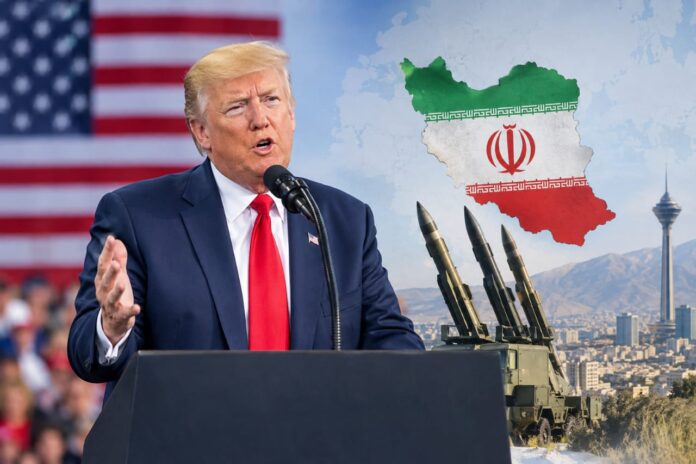
During a rally in Grand Island, Nebraska, on Monday evening, President Trump made remarks about Iran’s military capabilities in the context of discussing economic impacts from regional conflict. The president characterized rising prices as acceptable costs for maintaining global and national security, then referenced the theoretical possibility of Iranian military action against American cities. The White House subsequently indicated these comments were being taken out of context by critics.
California’s governor responded on Tuesday by directing the state’s threat-assessment center to heightened alert status. The governor expressed concern that foreign actors might interpret the presidential remarks as an invitation to target the state. Democratic leaders across California issued strong objections to the language used.
- Governor Newsom activated heightened monitoring protocols at California’s emergency preparedness center on Tuesday
- The president’s remarks occurred at a rally in Grand Island, Nebraska on Monday night
- The White House characterized the comments as being misrepresented by critics
- Democratic leaders including House Minority Leader Hakeem Jeffries and California’s gubernatorial nominee Xavier Becerra issued statements condemning the remarks
Why It Matters
The incident underscores the ongoing geopolitical tensions with Iran and the significant responsibility that comes with presidential rhetoric regarding national security threats. When a sitting president references major American cities in connection with potential adversarial military action, even in a theoretical context, it inevitably prompts serious consideration of threat levels and emergency response protocols. California, home to critical military installations including a major naval hub in San Diego, has legitimate security concerns that warrant appropriate institutional responses.
This situation also reveals important divisions within conservative political circles regarding how to balance tough stances on foreign threats with protecting American citizens from potential harm. A Republican House candidate competing in a closely contested San Diego-area race chose to emphasize that no American community should be considered acceptable collateral damage in international affairs, even while supporting strong positions against Iran. This response indicates that Republican voters and candidates themselves recognize the distinction between strong foreign policy and rhetoric that could be perceived as dismissive of American lives.
- California’s emergency response capabilities are now officially heightened in response to the remarks
- The state’s largest metropolitan area and a crucial naval installation are the specific focus areas mentioned
- Conservative political figures are evaluating how to respond to the comments while maintaining hawkish foreign policy positions
- The controversy potentially affects competitive congressional races in California with national implications for chamber control
Political and Public Context
Tensions with Iran have been a persistent feature of American foreign policy for years, with various administrations taking different approaches to managing the relationship. The current administration has maintained a firm stance on Iranian military capabilities and regional activities. These tensions periodically surface in public discourse, particularly when military or security developments create headlines.
California’s political landscape has become increasingly contested, with competitive congressional races and gubernatorial contests shaping national political dynamics. Republican candidates operating in traditionally Democratic-leaning regions often navigate complex terrain in responding to controversial statements from national party figures, balancing the need to appeal to conservative voters with the necessity of addressing legitimate concerns from broader constituencies.
- Iranian military capabilities and regional ambitions have been ongoing concerns for multiple U.S. administrations
- California congressional races, particularly in the San Diego area, are considered closely watched contests with implications for national legislative control
- The state’s gubernatorial race between Steve Hilton and Xavier Becerra represents a significant contest with national implications
- Republican candidates in competitive California districts face particular pressure to articulate independent positions on controversial national security rhetoric
Newsom orders threat monitoring after Trump remarks on Iran taking out LA, San Diego https://t.co/itxnCrHGdA
— The State Newspaper (@thestate) October 7, 2026
What Happens Next
California’s enhanced security monitoring protocols will likely remain in effect pending further developments or official clarification regarding the threat level. The governor’s office indicated that these measures would continue as long as there remains any possibility that adversarial actors might interpret presidential remarks as encouragement for hostile action against California.
Political ramifications will likely continue to unfold as candidates in competitive races respond to the controversy and attempt to position themselves appropriately to their respective constituencies. The incident may prompt additional discussion about Iran policy, military preparedness, and the role of presidential rhetoric in national security matters. Congressional responses and any official White House clarifications regarding the intended meaning of the remarks will probably shape how this episode is ultimately understood within broader policy discussions.
- California’s threat-assessment center will maintain heightened alert status pending further developments or official policy statements
- Competitive congressional and gubernatorial campaigns will likely incorporate responses to the controversy into their messaging strategies
- The White House may issue additional clarification regarding the intended meaning and context of the president’s remarks
- Congress may address the incident through oversight activities or official statements regarding appropriate rhetoric on national security matters