Story Highlights
- A 28-year-old lab technician in Siberia died from suspected pneumonic plague following a workplace incident
- Authorities implemented immediate quarantine measures affecting approximately 200 individuals while simultaneously removing public information about the event
- Kremlin-controlled media outlets deleted posts about the crisis within hours of initial reporting
- Local residents began purchasing antibiotics in response to concerns about a potential outbreak
What Happened
A health crisis unfolded in the Irkutsk region of Siberia when a 28-year-old woman employed as a laboratory technician died from suspected pneumonic plague at a hospital facility in Shelekhov on Friday. According to multiple local reports, the woman either accidentally broke a vial containing the plague pathogen at a research institute, or alternatively contracted the infection while returning from a work-related trip. The exact circumstances remain subject to conflicting accounts from various local sources.
Pneumonic plague represents the most virulent form of plague transmission, spreading between individuals through respiratory droplets dispersed through the air. Initial responses from authorities included prominent warnings regarding the serious nature of the infection. However, this transparent communication strategy reversed rapidly, as officials began systematically removing public information about the potential outbreak from circulation.
- 28-year-old laboratory technician died in Shelekhov hospital from suspected pneumonic plague
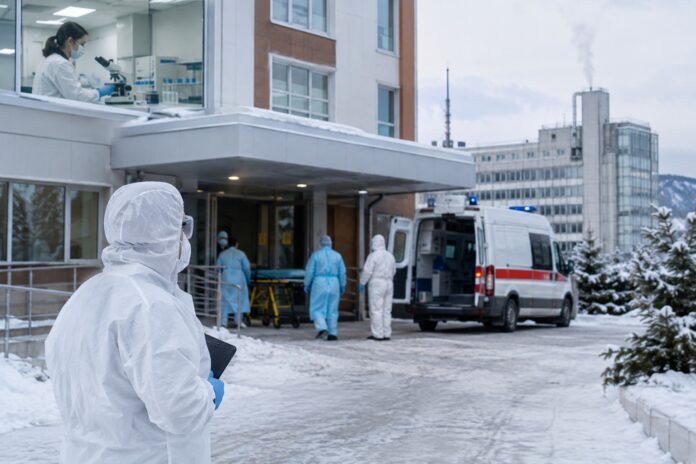
- Shelekhov hospital and approximately 200 individuals with contact exposure were immediately quarantined
- The incident occurred in the Irkutsk region of Siberia on Friday
- Initial public warnings were quickly followed by removal of outbreak-related information from official channels
Why It Matters
The handling of this incident carries significant implications for public health transparency and disease prevention protocols. Pneumonic plague stands as the most dangerous variant of plague infection and presents the highest risk potential for epidemic spread. Medical professionals understand that antibiotics can prove effective in treating pneumonic plague, but only when administered within the initial 24-hour window following symptom onset. This narrow therapeutic window means that public awareness and rapid medical intervention remain critical to preventing fatalities and containing potential spread.
The apparent suppression of outbreak information by authorities raises concerns about whether residents in affected areas received adequate warning to seek timely medical attention. Reports indicate that local residents began purchasing available antibiotics from pharmacies in response to concerns about potential outbreak expansion, suggesting that news of the incident spread through informal channels despite official information removal. Regional officials postponed public events in Irkutsk citing unfavorable epidemiological conditions, indicating that containment efforts continued even as public-facing communications were being eliminated.
- Narrow 24-hour therapeutic window for antibiotic treatment makes public awareness essential for preventing deaths
- Systematic removal of outbreak information may have hindered residents’ ability to seek timely medical care
- Approximately 200 individuals required quarantine and monitoring due to contact exposure
- Public event postponements indicate ongoing epidemiological concerns despite information suppression efforts
Political and Public Context
The incident emerges at a complex moment in the region’s political landscape. The involvement of the Federal Security Service in coordinating response measures underscores the perceived severity of the situation at official levels. Federal Security Service units reportedly accompanied ambulances transporting individuals under quarantine, suggesting this incident was treated as a matter of national security concern. The rapid mobilization of these agencies contrasts sharply with the subsequent decision to restrict public information, creating a disconnect between the perceived threat level among officials and the information provided to the general public.
Media responses to the incident illustrate broader patterns in information management. REN-TV removed five posts about the crisis from its Telegram channel by Saturday, while the city of Baykalsk posted an alert urging residents to avoid traveling to Shelekhov before deleting that alert within two hours. These actions indicate coordination among various authorities and media outlets regarding the messaging strategy around the outbreak. The decision to contain information rather than maintain transparent communication suggests prioritization of managing public perception over ensuring public preparedness.
- Federal Security Service coordinated response measures and accompanied quarantine operations
- REN-TV removed five posts about the incident from its Telegram channel
- Baykalsk authorities deleted travel warnings within two hours of posting them
- Pattern of rapid information removal across multiple official and media channels
ALMOST 200 IN SIBERIA UNDER OBSERVATION AFTER LAB WORKER'S DEATH FROM SUSPECTED PLAGUE pic.twitter.com/HFKFH2Fs85
— Next News Network (@nextnews) October 3, 2026
What Happens Next
The trajectory of this situation remains uncertain, dependent on containment effectiveness and epidemiological developments in the coming days and weeks. The 200 individuals in quarantine will require continuous monitoring for symptom development, with close observation being essential given the rapid progression of pneumonic plague once symptoms emerge. Whether additional cases appear among those in contact with the deceased woman will be the primary indicator of whether this incident remains isolated or escalates into a broader outbreak scenario.
Questions persist regarding the underlying cause of the initial infection and the adequacy of safety protocols at the research facility. An investigation into laboratory procedures and safety measures will likely follow, though the nature and transparency of any such investigation remain uncertain. International public health organizations may seek more detailed information about the incident and current epidemiological status in the region, potentially creating diplomatic dimensions to the crisis if information continues to be restricted. The public health community will be monitoring developments closely to understand the full scope of what occurred and how effectively containment measures performed.
- Monitoring of 200 quarantined individuals for symptom development over coming weeks
- Investigation into laboratory safety protocols and the source of the initial infection
- Potential international public health inquiries regarding incident details and containment status
- Assessment of whether this represents an isolated incident or the beginning of broader outbreak spread