Story Highlights
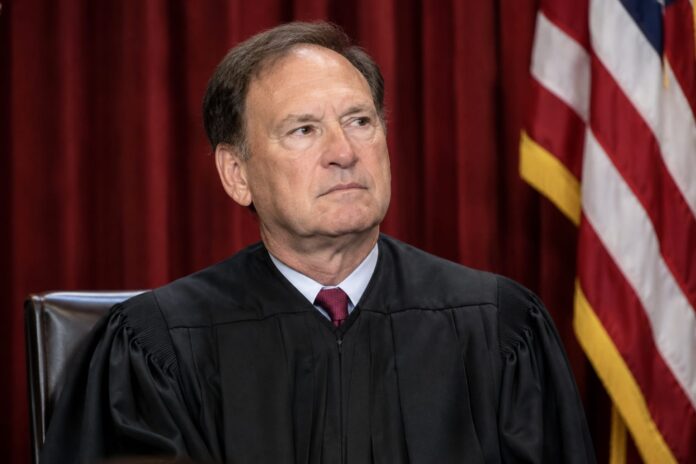
- Justice Samuel Alito acknowledged contemplating retirement at the end of his previous term amid ongoing speculation about his future on the bench
- The 76-year-old justice emphasized his continued ability to contribute meaningfully to the court’s work and its mission
- Alito noted that retirement considerations are a regular aspect of service at his age and stage of career
- The justice indicated uncertainty about predicting future circumstances, both personal and political, that might influence such decisions
What Happened
Justice Samuel Alito addressed persistent questions about his potential retirement in a recent interview with CBS News, where he revealed that he had given considerable thought to stepping down from the Supreme Court at the conclusion of his most recent term. The discussion emerged amid widespread speculation throughout the year regarding whether the conservative justice might leave his seat, particularly given political dynamics and the desire among certain Republican figures to influence his successor’s confirmation while their party held Senate control.
Alito acknowledged that contemplating retirement represents an annual exercise for someone at his stage of life and judicial career. However, he indicated that his decision to remain centered on his belief that he could continue to provide valuable contributions to the court’s work and its constitutional mission. The justice stressed this rationale as the primary driver behind his choice to continue serving rather than step aside.
- Justice Alito confirmed considering retirement at the end of his previous term
- The 76-year-old justice remains the second-oldest member of the current court, behind Justice Clarence Thomas at 78
- Alito noted that contemplating retirement annually is routine for justices at his age
- He was appointed to the Supreme Court by President George W. Bush over two decades ago
Why It Matters
The retirement considerations of conservative justices carry significant implications for the nation’s highest court and its ideological direction. Alito’s willingness to publicly discuss his thought process regarding stepping down reflects broader concerns within political circles about the composition of the bench and the long-term stability of the court’s conservative majority. His decision to continue serving ensures continuity in the court’s conservative bloc, which includes Justices John Roberts, Clarence Thomas, Amy Coney Barrett, Brett Kavanaugh, and Neil Gorsuch.
The timing and context of Alito’s remarks are particularly noteworthy given the erroneous retirement reporting that occurred earlier, when a major news organization mistakenly reported his departure. This incident underscored the intense public interest and speculation surrounding the tenure of sitting justices and the potential consequences of unexpected vacancies on the court. Alito’s clarification about his intentions provides important perspective on the court’s continuity and the justice’s own assessment of his capacity to serve effectively.
- Alito’s continued service preserves the conservative majority composition of the current Supreme Court
- Retirement of aging justices can significantly alter the ideological balance and direction of major constitutional rulings
- Political actors have strategic interests in the timing and circumstances of Supreme Court vacancies
- Justices must navigate personal health considerations alongside broader implications of their tenure decisions
Political and Public Context
The question of Supreme Court retirement timing has become increasingly politicized in recent years, with various stakeholders acutely aware of how vacancies can reshape the court’s jurisprudence for decades. The specter of retirement among aging justices drives significant political activity, as different groups seek to influence both the timing of departures and the composition of replacements. Republican figures have expressed concern about potential vacancies that might occur under Democratic administrations, while Democratic figures similarly worry about conservative justices stepping down during Republican presidencies.
Alito’s remarks also reflect the broader context of scrutiny facing the modern Supreme Court, where justices increasingly face public and political pressure regarding their decisions and their tenure. The justice acknowledged the difficulty in predicting both personal circumstances and political conditions that might influence such weighty decisions. His reference to the unpredictability of future situations underscores the complex calculus that aging justices must undertake when deciding whether to continue serving or retire.
- Supreme Court retirements have become major flashpoints in broader partisan political strategy
- The age composition of the current court, with multiple justices in their seventies, continues to generate speculation and discussion
- Previous instances of unexpected retirements have reshaped the court’s direction and major constitutional holdings
- Public confidence in the court’s impartiality increasingly intersects with questions about justices’ personal retirement decisions
Supreme Court Justice Samuel Alito says he's been actively weighing when to step down—and that he's already looking ahead to doing the same in 2027. In excerpts… https://t.co/KArH6xISLq
— Newser (@Newser) October 3, 2026
What Happens Next
Alito’s statement that he continues to reassess his tenure annually suggests that the question of his potential retirement will likely persist as a matter of ongoing discussion and speculation. The justice has committed to thoughtful annual consideration of his circumstances, indicating that future decisions about his service remain subject to periodic evaluation. His public acknowledgment of this annual practice establishes a framework for understanding his future decisions without necessarily providing certainty about his long-term trajectory on the bench.
The broader question of Supreme Court composition and the potential for future vacancies will continue to attract significant political attention and public interest. As the justices age, questions about succession planning and the court’s institutional stability will remain salient political considerations. Alito’s willingness to discuss his retirement thinking transparently may set a precedent for similar candor from other aging justices facing comparable questions about their continued service.
- Alito indicated he will continue annual reconsideration of his retirement status going forward
- Speculation about conservative justices’ tenure decisions will likely persist as a significant political topic
- The composition and stability of the court’s ideological majority remain subjects of intense partisan interest
- Future developments regarding the health, circumstances, or decisions of aging justices will continue to drive political activity and public discourse