Story Highlights
- A documented weight loss journey has prompted varied reactions across social media platforms, ranging from supportive to critical
- The experience highlights ongoing cultural tensions regarding body image, personal health decisions, and societal expectations
- Online responses reveal complex attitudes toward weight management and the emotional dimensions of pursuing physical transformation
- The situation underscores broader conversations about body autonomy and the pressures individuals face when making lifestyle changes
What Happened
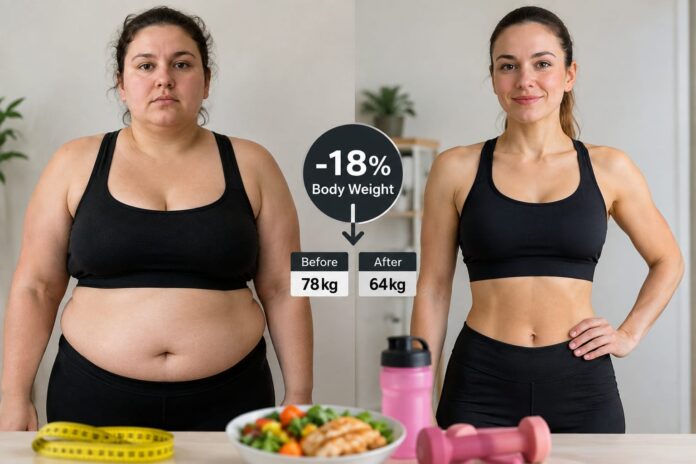
An individual’s public documentation of their weight loss journey has generated substantial discussion online, with social media users expressing sharply differing perspectives on the decision to pursue weight reduction. The journey, which involved significant physical transformation, was shared across multiple platforms where it reached audiences with varying degrees of familiarity with personal wellness narratives. The experience reflected an achievement of approximately 18 percent body weight reduction, accomplished through documented health interventions.
The online responses illuminated a spectrum of reactions, from those offering encouragement and validation to others expressing skepticism or criticism. Many observers focused on the emotional complexity surrounding the decision to pursue such a transformation, noting that the individual felt compelled to apologize for or justify their personal health choices. This dynamic revealed underlying societal assumptions about body image, personal agency, and the appropriate ways to discuss weight and health publicly.
- Approximately 18 percent body weight reduction documented and shared across social media platforms
- Multiple divergent responses from online audiences ranging from supportive to critical commentary
- Emotional complexity noted regarding the need to justify or apologize for personal health decisions
- Public documentation generated substantial engagement and discussion across digital communities
Why It Matters
The mixed reactions to this weight loss narrative reveal significant cultural divisions regarding body autonomy, personal health choices, and the stigma surrounding discussions of weight. The fact that an individual felt obligated to apologize for pursuing a health goal demonstrates the complicated emotional terrain many navigate when making visible physical changes. This dynamic reflects broader societal pressures where individuals often encounter conflicting messaging about whether pursuing weight loss represents self-care or capitulation to unrealistic beauty standards.
The situation illuminates how social media amplifies and fragments these conversations, enabling instantaneous judgment and commentary that would not occur in other contexts. Different online communities bring their own frameworks for evaluating personal health decisions, creating an environment where the same action receives simultaneous praise and condemnation. This polarization has real psychological consequences for individuals pursuing health goals, as public sharing becomes a minefield of potential criticism regardless of motivations or methods employed.
- Highlights tension between personal health autonomy and societal pressure regarding body image standards
- Demonstrates psychological impact of public scrutiny on individuals pursuing visible physical transformation
- Reveals conflicting cultural narratives about weight management and body acceptance
- Illustrates how social media fractures unified understanding of personal health decisions
Political and Public Context
Conversations around weight and body image have become increasingly politicized in recent years, with different segments of society holding fundamentally different frameworks for evaluating weight management. Some emphasize personal responsibility and health optimization, while others prioritize body acceptance and caution against weight-centric approaches to wellness. This ideological divide has created a cultural environment where discussions about weight loss frequently become proxies for broader values conversations rather than objective health dialogue.
The emergence of pharmaceutical interventions for weight management has further complicated these conversations, introducing new dimensions to debates about whether pursuing weight reduction represents a legitimate health choice or capitulation to commercialized beauty standards. Media coverage of weight-related topics has similarly evolved, with increased attention to the psychological and social dimensions of body image rather than purely focusing on health metrics. This context means that public weight loss journeys now occur within a landscape of competing narratives about body autonomy, health, and social acceptance.
- Increased politicization of weight and body image discussions across social and political communities
- Emergence of pharmaceutical options for weight management introducing new ethical and social considerations
- Media attention shifting toward psychological and social dimensions of body image rather than purely medical perspectives
- Growing recognition of body autonomy as a central consideration in weight-related conversations
GLP-1 users face a new stigma: told to lose weight, they're judged for how they did it—and women face the harshest scrutiny of all. https://t.co/svroOC0xLO
— Newsweek (@Newsweek) August 15, 2026
What Happens Next
The ongoing cultural dialogue regarding weight, health, and body image will likely continue evolving as more individuals share their personal journeys publicly and social media platforms grapple with how to facilitate these conversations constructively. Future developments may include greater nuance in how these topics are discussed across different communities, though polarization could also intensify as different groups further entrench their positions. The normalization of sharing personal health decisions online will likely continue, creating ongoing opportunities for both supportive community engagement and critical scrutiny.
Research and public health messaging around weight management will probably continue emphasizing individual complexity and the multifactorial nature of body composition changes. Mental health professionals and social commentators will increasingly focus on the psychological dimensions of pursuing visible physical transformation in a digitally connected world. These developments suggest that future public weight loss journeys will likely involve greater awareness of potential social reactions and more intentional consideration of how such narratives are shared across platforms.
- Continued evolution of social media discourse regarding weight and body image with potential for both increased understanding and heightened polarization
- Greater emphasis on psychological and social dimensions of weight-related conversations in media and public health messaging
- Increasing individual awareness of social media dynamics when sharing personal health decisions
- Ongoing cultural negotiations regarding appropriate frameworks for evaluating personal weight management choices