Story Highlights
• Iran’s army pledged to safeguard public infrastructure amid nationwide unrest.
• Authorities expanded security deployments as protests continued across major cities.
• Internet restrictions and arrests intensified as officials sought to contain demonstrations.
What Happened
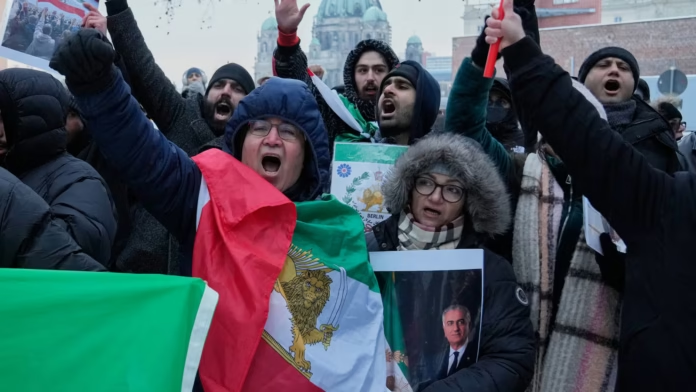
Iran’s army issued a public statement vowing to protect public property and critical infrastructure as anti‑government protests continued across the country. The pledge came after demonstrations — initially sparked by economic grievances — spread to multiple cities, prompting authorities to deploy additional security forces. Officials said the army would work alongside police and other security agencies to prevent damage to state facilities and maintain order.
At the same time, authorities expanded restrictions on internet access and mobile communications in several regions, limiting the ability of demonstrators to organize and share information. State media reported arrests and warned that actions targeting public buildings or transportation networks would be treated as serious offenses. Protesters, however, continued to gather in defiance of the security measures.
Why It Matters
Public infrastructure — including transportation hubs, utilities, and government buildings — is central to economic stability and daily life. The army’s vow to protect these assets signals heightened concern within Tehran about potential disruptions that could deepen economic strain or undermine confidence in the government’s ability to govern.
For citizens, tighter security and communication limits affect access to information, commerce, and mobility. For businesses and investors, prolonged unrest raises questions about supply chains, energy distribution, and the broader investment climate in a key Middle Eastern economy.
Political and Geopolitical Implications
Domestically, the army’s involvement elevates the unrest from a policing issue to a national security priority. This can shape how authorities justify stronger measures, including broader deployments and stricter controls. It may also influence internal political debates about reform, accountability, and the balance between security and civil liberties.
Internationally, developments in Iran are closely watched by regional governments and global markets, particularly because of Iran’s role in energy supply and Middle Eastern geopolitics. Prolonged instability could affect oil markets, regional security dynamics, and diplomatic engagement with Tehran.
Implications
If protests persist, expanded security roles for the army could become a defining feature of how the state manages internal dissent. That shift may stabilize infrastructure in the short term, but it could also deepen political tensions and affect Iran’s long‑term economic and diplomatic outlook.