Story Highlights
- New York Democratic congresswoman Alexandria Ocasio-Cortez revealed her decision to freeze her eggs and documented the process on social media
- The 36-year-old shared educational content about fertility procedures, costs, storage, and clinical aspects of reproductive care
- Ocasio-Cortez stated her intention to normalize conversations about egg-freezing within the context of current political debates over reproductive health
- During the same media appearance, she acknowledged not ruling out a potential presidential run while emphasizing focus on upcoming midterm elections
What Happened
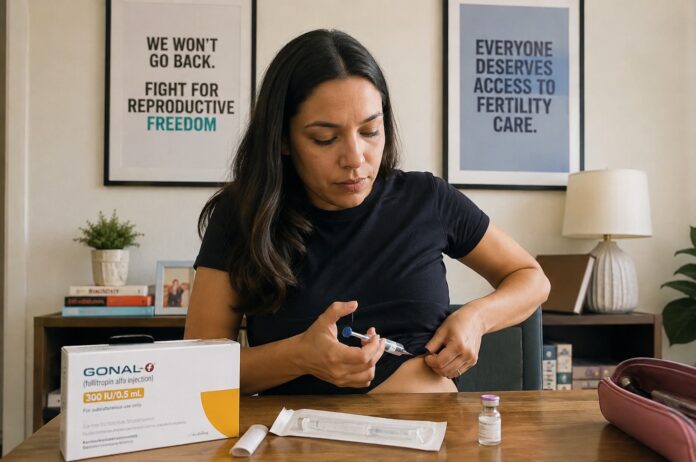
Alexandria Ocasio-Cortez, the Democratic representative from New York, disclosed her decision to freeze her eggs and posted video content on social media documenting her early steps in the fertility preservation process. The clips showed the congresswoman administering an injection and providing information about practical aspects of egg-freezing, including discussions about costs, clinical procedures, and storage mechanisms. Ocasio-Cortez described the current American medical system’s approach to fertility care and reproductive health services as broken, indicating systemic shortcomings in how the nation addresses these healthcare needs.
On ABC News, Ocasio-Cortez explained her reasoning for making this personal medical decision public. She emphasized the importance of normalizing conversations surrounding egg-freezing and reproductive care options, particularly within the current political climate. Her decision to share this journey carries what she characterized as political risk, yet she determined the educational and normalized value outweighed those concerns. The congresswoman also addressed the relationship between current government policies and women’s access to comprehensive reproductive healthcare services.
- Ocasio-Cortez posted educational clips on Sunday documenting her egg-freezing process on social media
- She appeared on ABC News This Week to discuss reproductive care normalization and policy concerns
- The 36-year-old discussed costs, clinical procedures, storage, and system-wide issues affecting fertility care access
- She characterized sharing this information as carrying political risk despite its importance
Why It Matters
The congresswoman’s public disclosure of her reproductive health choices represents a significant moment in mainstream political discourse surrounding fertility care and family planning. By documenting her personal experience, Ocasio-Cortez is working to destigmatize conversations about egg-freezing and reproductive options that many women consider but rarely discuss publicly. This approach seeks to shift cultural narratives around reproductive autonomy and medical choice, making these topics part of broader political and policy discussions rather than remaining confined to private conversations.
The timing and context of these disclosures underscore ongoing debates about government policies affecting reproductive health access. Ocasio-Cortez’s stated concerns about limitations on abortion rights and complications during pregnancies reflect broader Democratic concerns about restrictions implemented at various government levels. Her efforts to normalize these conversations directly address what she perceives as gaps in public understanding about reproductive healthcare options and their availability within the American medical system. The public nature of her advocacy may influence how political figures approach discussions of reproductive autonomy and medical choice in coming policy debates.
- Normalization of egg-freezing discussions in mainstream political discourse may influence public policy conversations about fertility care access
- The disclosure addresses Democratic concerns about government restrictions on reproductive health services and options
- Public figures discussing personal reproductive health choices may influence how constituents view these medical decisions and their availability
- The conversation connects individual medical autonomy to broader policy debates about government’s role in reproductive healthcare
Political and Public Context
Reproductive healthcare has emerged as a central political issue in American elections and policy debates, with significant divisions between political parties regarding government’s appropriate role. Restrictions on abortion services and limitations on certain reproductive health procedures have become prominent policy topics across federal and state governments. Democrats have positioned reproductive autonomy and healthcare access as fundamental rights, while these issues remain subjects of intense political debate. The positioning of reproductive healthcare as a political priority has elevated the visibility of related medical choices and access issues in the public sphere.
Ocasio-Cortez’s public engagement with her personal reproductive health journey occurs within this heightened political context. The congresswoman also addressed questions about her political future during the same media appearance, acknowledging awareness of polling data suggesting her popularity as a potential candidate. She emphasized her current focus on House elections while remaining open to various political possibilities. Her simultaneous engagement with both reproductive healthcare normalization and discussions of her political trajectory demonstrates how personal, medical, and political narratives intersect within contemporary American political discourse.
- Reproductive healthcare access and restrictions have become central issues in Democratic Party messaging and policy platforms
- Multiple government levels have implemented policies affecting abortion access and reproductive health services
- Ocasio-Cortez indicated awareness of polling regarding her political popularity for higher office
- Midterm elections scheduled for early November represent the next major electoral event, with all House seats and one-third of Senate seats at stake
Elective egg freezing has become much more popular over the past decade as the technique has gotten better and more women have chosen to delay pregnancy. US Rep. Alexandria Ocasio-Cortez, a New York Democrat, joins a group of celebrities in sharing plans to freeze eggs. Here's… pic.twitter.com/0T6S8i4JiX
— CNN (@CNN) August 11, 2026
What Happens Next
The congresswoman’s continued engagement with reproductive health normalization will likely influence Democratic messaging strategies in upcoming elections. Her approach of combining personal medical disclosure with policy critique establishes a model for how political figures might discuss reproductive autonomy. Future developments will include whether other elected officials adopt similar transparency regarding personal reproductive health choices and whether these conversations meaningfully shift public policy conversations at federal and state levels.
Ocasio-Cortez’s stated focus on the upcoming midterm elections suggests her immediate political priorities center on House reelection and Democratic congressional performance. Her non-committal responses regarding presidential or senatorial ambitions indicate she will likely maintain flexibility about future political pursuits while emphasizing current campaign priorities. The intersection of her reproductive health advocacy with electoral politics will continue evolving as these discussions develop within the broader Democratic Party context and as the midterm election cycle progresses.
- Midterm elections in early November will determine whether Democratic messaging on reproductive healthcare influences electoral outcomes
- Future development of egg-freezing access and fertility care policy may reflect increased political attention to these issues
- Ocasio-Cortez’s current focus remains on House reelection campaign and midterm Democratic Party performance
- The effectiveness of normalizing reproductive health discussions among political figures and public discourse will emerge through subsequent election cycles and policy debates