Story Highlights
Donald Trump emphasized strengthening U.S. energy independence.
Policies focus on boosting domestic oil and natural gas production.
Officials say increased output supports economic resilience and stability.
What Happened
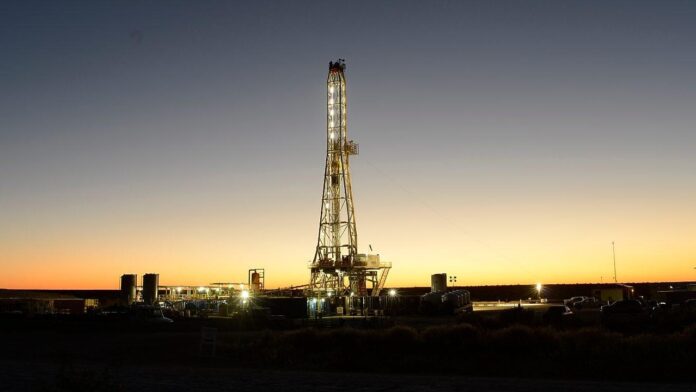
President Donald Trump highlighted renewed efforts to strengthen energy independence in the United States, emphasizing the importance of expanding domestic production to meet national demand. The administration pointed to steady output levels in oil and natural gas as indicators that the country is maintaining a strong position in the global energy landscape.
According to reporting from Reuters, energy producers across key regions continue to operate at consistent levels, supported by advancements in extraction technologies and improved infrastructure. Increased efficiency in drilling operations and logistics has enabled companies to maintain stable production while managing costs effectively.
Officials also noted that investments in pipelines, refining capacity, and storage facilities have contributed to improved distribution across the country. These developments ensure that energy resources can be transported efficiently from production sites to consumers and export markets.
In addition, policymakers emphasized that energy independence reduces reliance on external sources. By strengthening domestic capabilities, the United States aims to maintain greater control over supply conditions and reduce exposure to global disruptions.
Why It Matters
Energy independence plays a critical role in economic stability. Reliable domestic production supports industries that depend on consistent energy supply, including manufacturing, transportation, and technology.
For businesses, stable energy availability reduces uncertainty. Companies can plan operations, manage costs, and invest in growth without being significantly affected by external supply disruptions. This is particularly important for energy-intensive industries where cost fluctuations can impact profitability.
For consumers, strong domestic production can contribute to more predictable energy costs. While global markets still influence pricing, a stable supply base helps reduce volatility and supports household financial stability.
The energy sector also supports employment across multiple industries. Jobs in exploration, infrastructure, and logistics contribute to economic activity and provide income opportunities in various regions.
Economic and Global Context
Energy markets are influenced by both domestic production and global conditions. Factors such as geopolitical developments, international demand, and supply decisions from major producers all affect pricing and availability.
The Federal Reserve monitors energy prices as part of its broader assessment of inflation and economic stability. Stable energy costs can help manage inflationary pressures and support balanced growth.
Globally, competition in energy production remains strong. Countries are investing in infrastructure and technology to increase output and secure market share. In this environment, maintaining strong domestic production is essential for competitiveness.
At the same time, the energy sector is undergoing transformation. Investments in renewable energy, energy efficiency, and new technologies are shaping the future of the industry. While traditional energy sources remain central, diversification is becoming increasingly important.
Implications
If current trends continue, the United States is likely to maintain a strong position in global energy production. Increased output and improved infrastructure may support economic growth and reinforce energy security.
For businesses, stable energy conditions create opportunities to expand operations and invest in innovation. Companies can focus on efficiency and long-term planning without significant disruption from supply volatility.
For policymakers, maintaining energy independence will require ongoing investment in infrastructure, technology, and regulatory balance. Ensuring that the sector remains competitive while adapting to evolving trends will be key.
For consumers, consistent energy supply contributes to financial predictability and overall economic confidence. Stable conditions support both household budgeting and broader economic activity.
In the broader context, energy independence strengthens the foundation of the U.S. economy. By maintaining reliable production and adapting to global changes, the country can support sustained growth and resilience.
Sources
Trump emphasizes U.S. energy independence and domestic production growth