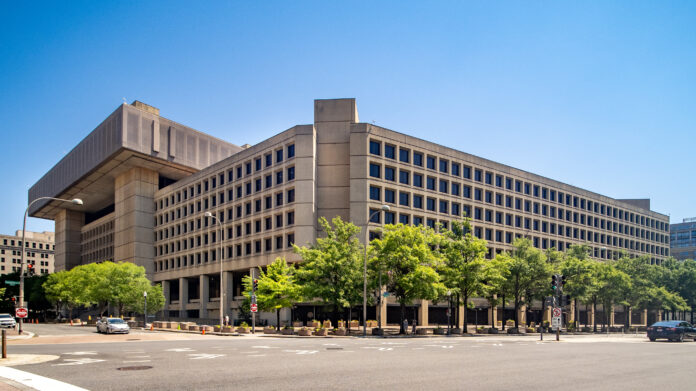
WASHINGTON — U.S. federal authorities have confirmed the disruption of an alleged domestic terror plot in California, a development that has once again placed homegrown extremism at the center of national security and political debate. The operation, led by the Federal Bureau of Investigation (FBI) in coordination with state and local law enforcement agencies, underscores how domestic threats remain a persistent concern even as global terrorism risks fluctuate.
Officials said the suspects were arrested following a lengthy intelligence-gathering effort that prevented potential violence before it could occur. While authorities emphasized that there is no immediate danger to the public, the case highlights the evolving nature of extremism inside the United States and its implications for public safety, civil liberties, and political discourse.
What Authorities Say Happened
According to the U.S. Department of Justice, investigators identified and monitored multiple individuals suspected of planning attacks against public infrastructure and law enforcement targets. The investigation reportedly involved months of surveillance, online activity analysis, and coordination between federal and local agencies.
Officials said arrests were made before any explosives or weapons could be used, and no injuries were reported. While detailed charges are still being processed through the court system, prosecutors described the operation as a preventive success that avoided potentially serious consequences.
Law-enforcement leaders credited early intelligence detection and inter-agency cooperation for stopping the plot in its planning stages.
The Growing Challenge of Domestic Extremism
Unlike earlier decades, when U.S. counterterrorism efforts were primarily focused on foreign-based organizations, officials say the current threat landscape is increasingly domestic. Many recent cases involve individuals radicalized within the United States, often through online platforms and ideological echo chambers.
Security analysts note that domestic extremism does not follow a single ideology. Instead, it spans a wide spectrum of beliefs, including anti-government movements, political violence, and conspiracy-driven radicalization. This diversity makes detection and prevention more complex, as threats often emerge from isolated networks rather than centralized organizations.
The FBI has repeatedly warned that domestic extremism remains one of the most persistent security threats facing the country.
Political and Legal Implications
The foiled plot is likely to intensify ongoing debates in Washington over how far federal authorities should go in monitoring domestic threats. While lawmakers across party lines broadly condemn political violence, divisions persist over surveillance authorities, data collection, and online monitoring.
Some lawmakers argue that law-enforcement agencies need stronger tools to track extremist activity before it turns violent. Others caution that expanded surveillance risks infringing on constitutional rights, particularly freedom of speech and privacy.
Legal experts note that domestic terrorism cases often test the balance between public safety and civil liberties, especially when investigations involve digital communications and online behavior.
Impact on National Security Policy
The case comes at a time when the U.S. national security strategy is increasingly focused on internal resilience rather than solely external threats. Officials say preventing domestic violence is now central to maintaining institutional stability, especially during election cycles when political rhetoric can intensify tensions.
Federal agencies continue to invest in intelligence-sharing frameworks that connect local police departments with federal databases, aiming to identify warning signs earlier. However, officials acknowledge that prevention remains difficult when individuals operate independently or within small, loosely connected groups.
Public Reaction and Community Concerns
Public reaction to the arrests has been mixed. Some Americans expressed relief that the plot was disrupted, while others voiced concerns about transparency and potential overreach. Civil-rights organizations have called for careful oversight to ensure investigations remain narrowly targeted and evidence-based.
Community leaders emphasize the importance of public trust, noting that cooperation between citizens and law enforcement often plays a crucial role in identifying threats early. Experts say maintaining that trust is essential for long-term prevention efforts.
Broader Political Context
The disruption of the alleged plot comes amid heightened political polarization across the country. Analysts note that domestic security incidents often become part of broader political narratives, with competing interpretations about their causes and implications.
Some political leaders frame such cases as evidence of rising instability fueled by divisive rhetoric, while others argue they highlight the effectiveness of existing law-enforcement structures. As election cycles approach, security issues are expected to feature prominently in campaign messaging.
Why This Matters
The California case underscores a broader reality: modern U.S. security challenges are increasingly shaped by internal dynamics rather than foreign conflicts alone. Domestic extremism, online radicalization, and political polarization now intersect with governance, public safety, and democratic confidence.
How policymakers respond — through legislation, oversight, and public communication — may shape not only security outcomes but also public trust in institutions. For voters, the issue raises fundamental questions about safety, freedom, and the role of government in preventing violence.