Story Highlights
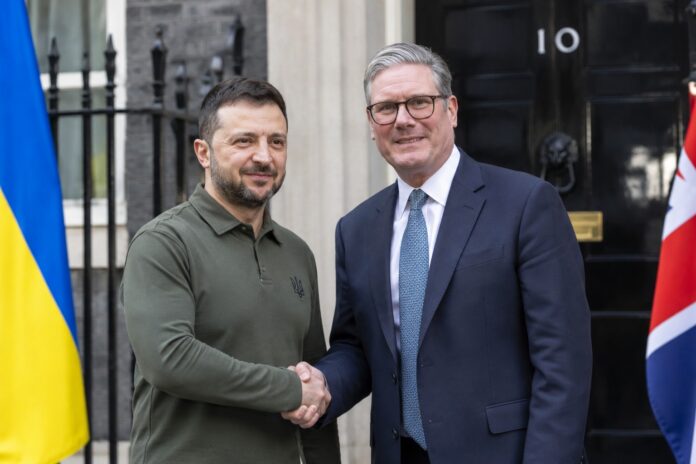
- Ukrainian President Zelensky met with UK Prime Minister Andy Burnham at Downing Street on Wednesday amid ongoing conflict with Russia
- Burnham indicated Britain’s commitment to Ukraine and announced acceleration of air defense deliveries
- The meeting included a military ceremonial guard reception, reported to be a notable protocol honor for a foreign leader
- Burnham signaled intentions to facilitate dialogue between Ukraine and other international partners
What Happened
President Volodymyr Zelensky of Ukraine traveled to London for a significant diplomatic engagement with UK leadership, five years into Russia’s ongoing military campaign against his nation. The meeting at Downing Street represented a formal reaffirmation of bilateral relations and defense cooperation between the two countries. Burnham conveyed assurances regarding Britain’s sustained support for Ukraine’s defense efforts, emphasizing the country’s long-term commitment to the Ukrainian cause.
During the meeting, Burnham communicated his administration’s intention to accelerate the delivery of air defense systems to Ukraine, addressing one of the critical military needs facing the embattled nation. Additionally, Burnham had previously communicated to members of Parliament his determination to work toward reconciliation between Ukraine and other key Western partners, indicating a broader diplomatic strategy beyond bilateral relations.
- Meeting occurred at Downing Street on Wednesday
- Military ceremonial guard provided to receive Zelensky, reportedly a first protocol arrangement for a foreign leader
- Burnham announced acceleration of air defense deliveries to Ukraine
- Burnham indicated prior parliamentary statements about bridging Ukraine with other international partners
Why It Matters
This diplomatic engagement carries substantial significance for Ukraine’s strategic position in its conflict with Russia. The high-level reception and explicit commitments made during the Downing Street meeting underscore Britain’s continuing role as a major international supporter of Ukrainian sovereignty and defense capabilities. Air defense systems represent a critical component of Ukraine’s ability to protect civilian infrastructure and military assets from aerial bombardment, making the acceleration of such deliveries a material element of defensive capability.
The meeting also reflects broader diplomatic efforts to maintain and strengthen the international coalition supporting Ukraine. Burnham’s expressed interest in facilitating improved relations between Ukraine and other key Western nations suggests an understanding that sustained international backing remains essential to Ukraine’s position in the prolonged conflict. The formal ceremonial nature of the reception sends symbolic messaging about the status and importance Britain places on its relationship with Ukraine during this consequential period.
For the Ukrainian government, securing commitments for enhanced defense equipment and international diplomatic support represents tangible progress in managing the challenges posed by the ongoing military campaign. These assurances contribute to Ukraine’s broader strategy of consolidating international backing across multiple nations and maintaining pressure on diplomatic fronts alongside military operations.
- Accelerated air defense deliveries strengthen Ukraine’s capability to defend against aerial attacks
- High-level diplomatic engagement reinforces international coalition supporting Ukraine
- Ceremonial reception emphasizes the diplomatic priority Britain places on Ukrainian relations
- Bridging efforts with other Western partners could expand international support networks for Ukraine
Political and Public Context
Ukraine has faced sustained military pressure from Russia for an extended period, creating ongoing demand for military equipment, financial support, and international diplomatic backing. The conflict has evolved into a protracted engagement requiring sustained international commitment rather than a short-term crisis. Various Western nations have provided different levels of military and financial assistance, with Britain positioning itself among the more active supporters of Ukrainian defense capabilities.
The diplomatic framework surrounding Ukraine has undergone evolution as the conflict continues. European and Western allies have worked to maintain cohesion in their support for Ukraine while navigating complex international relationships and domestic political considerations. Zelensky’s outreach to various international leaders, including visits to allied nations, represents an ongoing strategy of consolidating support and securing commitments for continued assistance across multiple domains.
The broader context includes international discussions about the trajectory of the conflict, the role of various nations in potential diplomatic resolutions, and the level of military support that various countries are prepared to sustain. Britain’s explicit reaffirmation of support during this meeting occurs against the backdrop of these ongoing international deliberations about Ukraine’s future and the mechanisms through which international actors will contribute to its defense and eventual resolution of the conflict.
- Ukraine requires sustained international military and financial support for ongoing defense
- Western nations have maintained coalition to support Ukrainian sovereignty
- Diplomatic engagement represents Ukraine’s strategy to consolidate international backing
- Air defense capabilities remain priority for Ukrainian military defense infrastructure
Prime Minister @andyburnham welcomed President @ZelenskyyUa to Downing Street today.
The United Kingdom will stand with Ukraine against Russia’s aggression, for as long as it takes. pic.twitter.com/UW7TAcFj7t
— UK Prime Minister (@10DowningStreet) October 14, 2026
What Happens Next
The acceleration of air defense deliveries announced during the meeting will require implementation through established military supply channels and coordination mechanisms between British and Ukrainian defense officials. The timeline and specific quantities of these deliveries remain subject to logistics planning and production capacity considerations. Monitoring the actual deployment of these systems will provide insight into the pace at which Britain executes its announced commitments.
Burnham’s stated intentions regarding bridging Ukraine with other Western partners suggest ongoing diplomatic initiatives that may yield additional meetings, statements of support, or coordinated actions among international allies. The success of these diplomatic efforts will likely influence the depth and breadth of international support Ukraine receives in coming periods. Further high-level visits and diplomatic engagements can be anticipated as Ukraine continues its strategy of maintaining international attention and commitment to its situation.
The meeting also sets a precedent for the level of formal engagement Britain is prepared to demonstrate toward Ukraine during the conflict’s continuation. Subsequent developments regarding the actual implementation of defense commitments, the progress of diplomatic efforts to coordinate international support, and any additional statements or visits from both British and Ukrainian leadership will provide indicators of the trajectory of bilateral relations and broader international positioning on Ukraine’s conflict.
- Air defense deliveries require implementation through military logistics and coordination channels
- Diplomatic efforts to bridge Ukraine with other Western partners may yield additional meetings or coordinated initiatives
- Further high-level engagements between British and Ukrainian leadership remain likely
- Implementation and results of stated commitments will provide indicators of support trajectory