Story Highlights
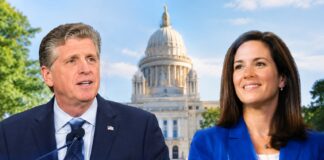
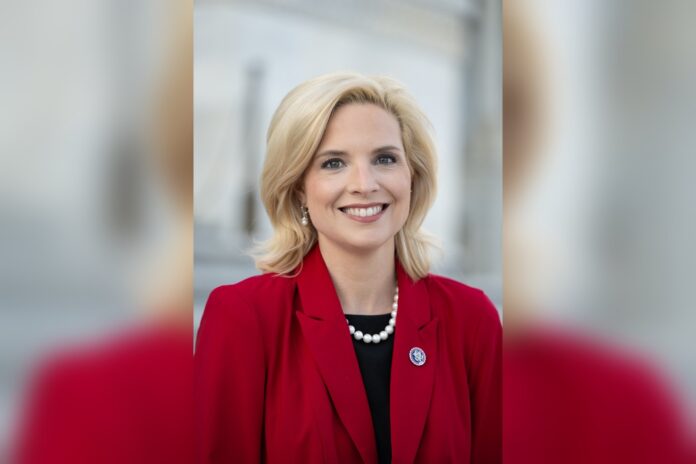
- GOP Representative Ashley Hinson and Iowa state Representative Josh Turek, a Democrat, participated in a second one-on-one debate for the Iowa Senate seat
- The Nexstar-hosted debate in Des Moines covered major voter concerns including immigration, education, health, agriculture, and technology
- Moderators with extensive experience in covering Iowa politics guided the discussion through key issues facing the state
- Comprehensive media coverage included live analysis and expert commentary throughout the two-hour event
What Happened
A significant Senate debate took place in Des Moines featuring the two leading candidates for Iowa’s Senate seat. The event represented the second direct confrontation between the Republican and Democratic contenders, providing voters with an opportunity to assess their positions on matters central to Iowa’s future. The debate format allowed for extended discussion of policy priorities that resonate most strongly with the state’s electorate.
The discussion centered on issues that consistently rank among voter priorities in Iowa. Candidates addressed their approaches to border security and immigration policy, educational standards and funding, healthcare access and affordability, agricultural policy and rural economic development, and emerging technology sector challenges. The moderators, drawn from local television news outlets with established track records covering state politics, facilitated the exchange with questions reflecting Iowa-specific concerns and national policy debates.
Media organizations provided comprehensive coverage of the event, with analysis teams offering real-time assessment of candidate performance and policy positions. The coverage framework included both pre-debate analysis and post-debate examination of how the candidates’ positions might influence the broader political landscape heading into the election.
- Second one-on-one debate between GOP Representative Hinson and Democratic state Representative Turek
- Topics covered: immigration, education, health, agriculture, and technology policy
- Moderators: Amanda Krenz of WHO 13 and Tim Seaman of KCAU
- Event held in Des Moines on Tuesday evening with two hours of coverage
Why It Matters
The Iowa Senate race represents a closely watched competitive contest with implications for control of the upper chamber. Iowa’s political status as a battleground state means that Senate races there often receive national attention and resources. The debate provided a platform for voters to evaluate the candidates’ readiness to represent state interests at the federal level and their ability to communicate their vision for addressing pressing challenges.
Direct debate encounters between major candidates serve as critical decision-making tools for voters who want to assess candidates’ knowledge, communication skills, and ability to think on their feet when responding to challenging questions. For candidates, debates present opportunities to advance their key messages, differentiate themselves from opponents, and potentially influence undecided voters who may be finalizing their electoral choices.
The issues selected for debate discussion reflect areas where voters believe the federal government and Senate can meaningfully impact their lives. Immigration policy, federal education funding, healthcare policy, agricultural subsidies and trade policy, and technology regulation all intersect with Senate responsibilities. The candidates’ positions on these matters could influence which voters ultimately support their candidacy.
- Iowa Senate seat is considered highly competitive in the current election cycle
- Debate performance can influence swing voters still evaluating candidates
- Policy positions on immigration, healthcare, and agriculture directly affect Iowa constituents
- National political landscape depends partly on Iowa and other competitive Senate races
Political and Public Context
Iowa has maintained its position as a politically significant state in national elections and Senate contests. The state’s diverse economy spanning agriculture, manufacturing, and emerging tech sectors means that Senate candidates must address broad policy interests. Recent Iowa Senate races have demonstrated that competitive contests in the state can determine overall Senate control and shape legislative priorities.
The debate format itself reflects a tradition of candidates directly engaging voters through substantive discussion of policy matters. Television-hosted debates have become standard components of modern Senate campaigns, offering candidates platforms to reach large audiences simultaneously. The presence of experienced local moderators ensures that questions reflect the specific concerns and priorities of Iowa voters rather than purely national talking points.
The involvement of multiple media organizations in covering the debate reflects the race’s competitive status and voter interest. Comprehensive media coverage helps ensure that debate content reaches voters through various platforms and outlets, allowing different segments of the electorate to access candidate positions and performance assessments through their preferred news sources.
- Iowa considered crucial swing state in Senate contests affecting chamber control
- State economy encompasses agriculture, manufacturing, and technology sectors requiring nuanced policy discussion
- Television debates have become standard practice in modern Senate campaigns
- Multi-outlet media coverage ensures broad voter access to debate content and analysis
Iowa Democrat Josh Turek missed 58% of state legislature votes this year — and when pressed twice by the debate moderator on why, he admitted he was out campaigning for the Senate.
His Republican opponent, Ashley Hinson, fired back: "Iowans, if you're watching tonight, you… pic.twitter.com/7AWbg6fD8t
— Fox News Politics (@foxnewspolitics) October 14, 2026
What Happens Next
Following the debate, analysts will evaluate candidate performance and assess potential impacts on voter preferences and campaign momentum. Media organizations will produce detailed breakdowns examining how effectively each candidate communicated their positions and responded to challenging questions. These analyses typically influence how candidates and their campaigns adjust their messaging and strategy in the remaining days before election day.
Voters will have additional time to process the candidates’ debate performance alongside other campaign information, polling data, and personal assessments of candidate qualifications. Campaign organizations will likely use debate footage and highlights in subsequent advertising and social media outreach, selecting moments that they believe best demonstrate their candidate’s strengths and their opponent’s weaknesses.
The debate represents one of potentially several campaign events before voters cast their ballots. Additional campaign activities, including candidate appearances, advertising campaigns, and voter outreach initiatives, will continue shaping voter preferences. The ultimate electoral outcome will reflect the cumulative impact of all campaign activities alongside underlying voter preferences regarding party control of the Senate and candidate qualifications.
- Media organizations will publish detailed post-debate analysis and candidate performance assessments
- Campaign teams expected to integrate debate moments into advertising and outreach efforts
- Voters will evaluate debate performance alongside other campaign information before casting ballots
- Election outcome will determine Senate composition and legislative priorities for coming congressional term