Story Highlights
- During an interview with Time magazine, the president expressed frustration over the nature of questioning, stating he had not been asked positive questions.
- He highlighted his administration’s achievements, including renovations at the White House and foreign policy successes.
- The president criticized the media for failing to acknowledge accomplishments and focusing exclusively on controversies.
- The exchange reflected broader tensions between the administration and press that have persisted throughout his term.
What Happened
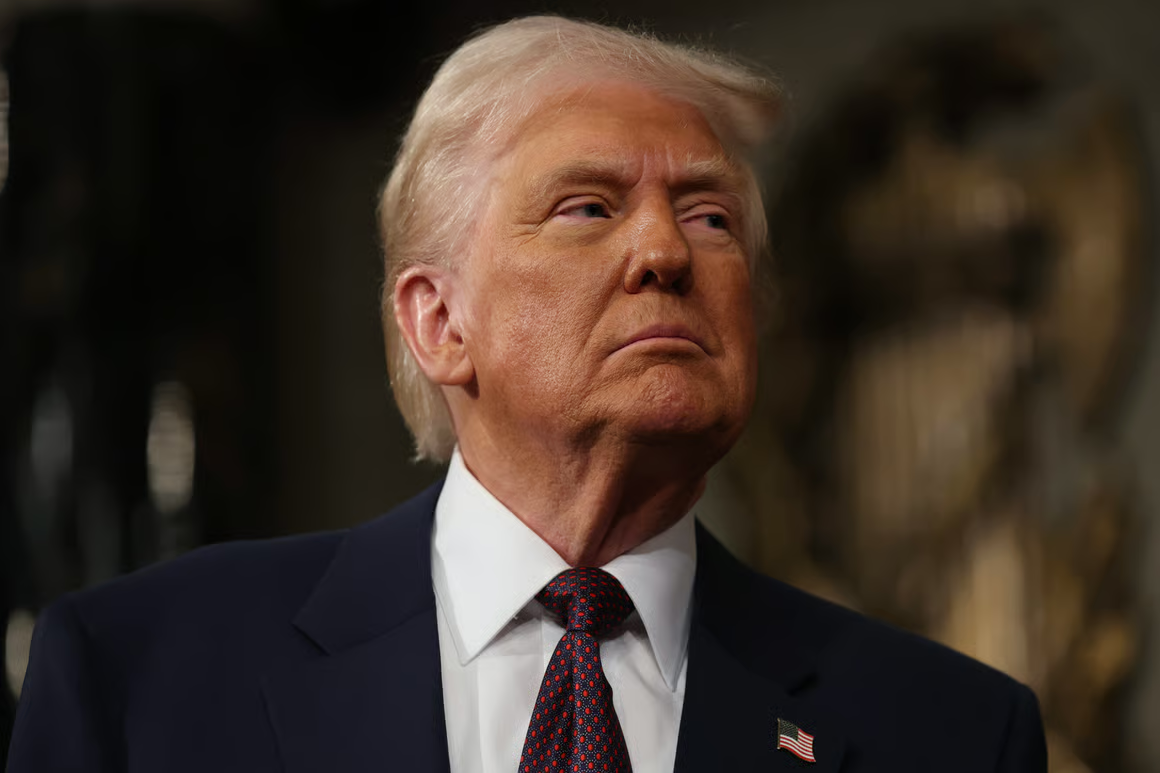
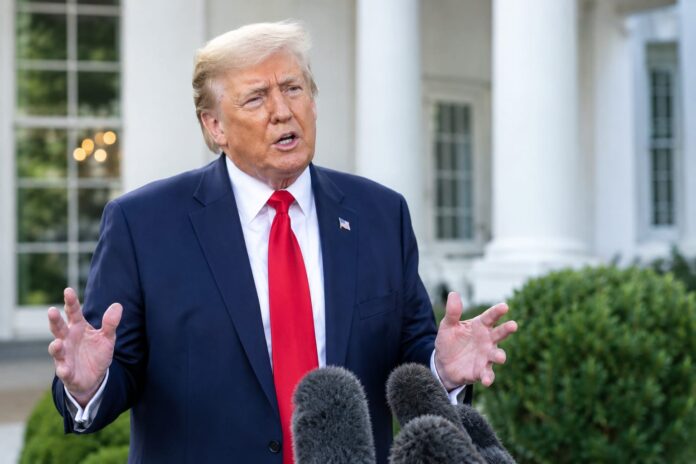
In a recent interview with Time magazine, President Donald expressed his frustration regarding the nature of the questions posed to him. During the exchange, he voiced his discontent with what he perceived as a lack of positive inquiries, stating that he had not been asked a single positive question. This outburst came as he defended his administration’s accomplishments, particularly the renovations made to the White House, which he believes have been overlooked by the media.
The president’s comments encapsulated a broader narrative of frustration with media coverage, where he feels that news outlets have consistently focused on negative aspects rather than acknowledging successes achieved during his time in office. He pointed out that while he has made significant improvements to the White House and achieved foreign policy victories, the media continues to dwell on controversies and criticisms instead.
- The president criticized Time magazine’s questioning style during the recent interview.
- He defended his administration’s achievements, including White House renovations and foreign policy with Venezuela.
- The president referenced accomplishments in international relations and national security matters.
- His remarks included critiques of other media outlets and their coverage patterns.
Why It Matters
The president’s frustration with the media is indicative of a larger issue that has persisted throughout his administration. The relationship between the executive branch and the press has been fraught with tension, often characterized by accusations of bias and unfair treatment. This latest outburst serves as a reminder of the ongoing struggle for balanced portrayal of his presidency in the media landscape.
The president’s insistence on being recognized for his achievements highlights a critical aspect of his leadership style and communication strategy. He believes that his administration has made substantial progress in various areas, including economic initiatives, foreign policy negotiations, and national security matters. By emphasizing these successes, he aims to shift the narrative away from the controversies that often dominate headlines and news cycles.
This dynamic between leadership and media coverage affects how the public perceives administrative accomplishments and failures. The president’s willingness to confront journalists may energize his political base while potentially alienating other audiences who view such confrontations negatively.
- Media portrayal affects public perception and support for the administration.
- His comments may reinforce beliefs among his supporters regarding media bias.
- Continued media scrutiny could impact the administration’s ability to shape its public narrative.
- The president’s approach may influence how other political figures engage with journalists.
Political and Public Context
The president’s relationship with the media has been contentious since his entry into politics. His administration has faced numerous challenges, including investigations, impeachment proceedings, and global crises. Throughout these events, he has often turned to direct communication with supporters to counter what he perceives as unfair treatment by the press.
In the context of the recent interview, it is essential to consider the broader implications of these comments. His frustration with Time magazine is not an isolated incident; it reflects a pattern of behavior where he seeks to reclaim the narrative surrounding his presidency. By focusing on his achievements, he aims to remind both supporters and critics of the positive changes made during his time in office.
Time magazine’s decision to name him Person of the Year in 2024 created an interesting context for this confrontation. Despite the publication’s recognition, the president felt that the subsequent interview did not adequately reflect his accomplishments, leading to the heated exchange that appeared in the transcript but not in the published article.
- The president’s administration has faced ongoing media scrutiny since entering office.
- Previous confrontations with journalists have included accusations of unfair coverage.
- His administration’s achievements have sometimes received limited coverage in mainstream media outlets.
- Direct communication with supporters has become a key strategy for countering media narratives.
President Trump addressed the top issues confronting his administration in an interview with Time magazine, from his efforts to remake Washington to growing fears about AI.
Here are the top takeaways: https://t.co/1XNsRp9EOc
— The Washington Post (@washingtonpost) October 1, 2026
What Happens Next
Looking ahead, the relationship between the president and the media will likely continue to evolve in complex ways. As political conditions change, it is expected that scrutiny of his actions and policies will remain intense. The president’s recent comments may serve to energize his political base, but they also demonstrate the ongoing friction between his administration and news organizations.
The president’s insistence on being recognized for his achievements could lead to more assertive communication strategies from his team. This may involve increased efforts to highlight successes directly to the public through various channels and to counter negative narratives through available platforms. As the political landscape continues to evolve, these dynamics will remain important to observe.
Future interactions between the administration and media will likely reflect the confrontational tone established in this interview. The president’s willingness to express frustration directly suggests that similar exchanges may occur in subsequent interviews and public appearances.
- The administration may continue to confront media outlets regarding coverage patterns.
- Strategic communication efforts to promote accomplishments will likely intensify.
- Public perception will be shaped by ongoing media coverage and direct messaging.
- Future interviews may reflect similarly combative exchanges regarding media questioning.