Story Highlights
- The Pentagon has introduced mandatory testosterone deficiency screening for male service members over 30.
- This initiative aims to enhance military readiness and optimize the health of warfighters.
- Screening will include a structured assessment of symptoms and risk factors.
- Defense Secretary Pete Hegseth emphasizes the importance of individual performance in maintaining military superiority.
What Happened
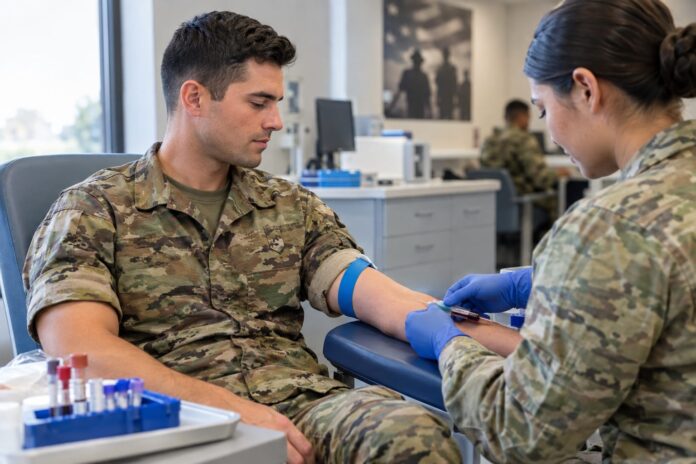
In a significant move aimed at bolstering military readiness, the Pentagon issued new guidelines late Thursday mandating testosterone deficiency screening for male active-duty and reserve service members aged 30 and above. This decision comes after the temporary rescinding of previous guidance earlier this month, indicating a responsive approach to the health needs of military personnel. The updated guidelines are designed to address male testosterone deficiency comprehensively and establish uniform screening and treatment pathways across the Defense Health Agency (DHA).
The Pentagon’s commitment to maintaining a lethal fighting force is evident in its assertion that these measures are essential for preparing service members to dominate the battlefield and achieve peace through strength. Pentagon chief spokesperson Sean Parnell articulated this vision, stating that by proactively identifying and treating suboptimal hormone levels, the Department of Defense is investing in the health of its warfighters, thereby strengthening their performance and maximizing force readiness.
- Mandatory testosterone deficiency screening applies to male service members over 30.
- The guidelines were issued late Thursday, following a temporary rescind of previous instructions.
- Screening will include a structured assessment of symptoms and risk factors.
- Defense Secretary Pete Hegseth announced the initiative in July, emphasizing the need for optimized performance.
Why It Matters
The introduction of these guidelines is a pivotal step in addressing a health issue that has long been overlooked in the military context. Testosterone deficiency can lead to a range of physical and psychological issues, including reduced sexual desire, loss of muscle mass, and impaired cognitive function. By implementing a systematic approach to screening, the Pentagon is not only prioritizing the health of its service members but also ensuring that they are at their peak performance levels. This is crucial for maintaining the effectiveness of the U.S. military, especially in an era where global threats are ever-evolving.
Moreover, the emphasis on individual health reflects a broader understanding that the strength of the military lies not just in its equipment and technology but in the well-being of its personnel. The guidelines signify a shift towards a more holistic approach to military readiness, recognizing that the physical and mental health of service members directly impacts their operational capabilities.
- Improved health outcomes for service members may lead to enhanced military performance.
- The initiative could reduce the stigma associated with seeking help for hormonal issues.
- Service members will have access to testosterone replacement therapy (TRT) if needed.
- Potentially, this could lead to a more resilient and effective fighting force.
Political and Public Context
The new testosterone testing guidelines come at a time when the military is increasingly focused on the health and wellness of its personnel. In recent years, there has been a growing recognition of the importance of mental health and physical fitness in the armed forces. The Pentagon’s initiative aligns with broader trends in healthcare that emphasize preventive measures and early intervention.
Additionally, the guidelines are part of a larger strategy to ensure that service members are equipped to handle the rigors of military life. The DHA’s structured symptom and risk-factor assessment will help identify those at risk for testosterone deficiency, allowing for timely intervention. This proactive approach is essential in a military environment where readiness is paramount.
- The military has been increasingly focusing on mental health and wellness initiatives.
- Previous guidelines on testosterone screening were rescinded, indicating a responsive approach to health needs.
- There is a growing trend in healthcare towards preventive measures and early intervention.
- The DHA’s structured assessment is a key component of the new guidelines.
Pentagon Reissues Hegseth Testosterone Guidance Without Female Troop Provisions https://t.co/x0AHn7OWen
— Mediaite (@Mediaite) September 18, 2026
What Happens Next
Looking ahead, the implementation of these guidelines will likely lead to several important developments within the military healthcare system. First, there will be a need for training healthcare providers to effectively conduct the structured assessments and interpret the results. This will ensure that service members receive accurate diagnoses and appropriate treatment options.
Furthermore, as the military begins to screen more service members, it will be crucial to monitor the outcomes of these interventions. Tracking the health improvements and performance enhancements resulting from testosterone replacement therapy will provide valuable data that can inform future policies and practices. Additionally, there may be an increased focus on educating service members about the importance of hormonal health and the resources available to them.
- Healthcare providers will require training to implement the new screening protocols effectively.
- Monitoring the outcomes of testosterone interventions will be essential for future policy development.
- Increased education on hormonal health may be necessary for service members.
- Potential expansion of similar health initiatives for female service members may follow.