Story Highlights
- The United States conducted limited strikes on Iran’s Qeshm Island in the Strait of Hormuz, characterized as defensive in nature
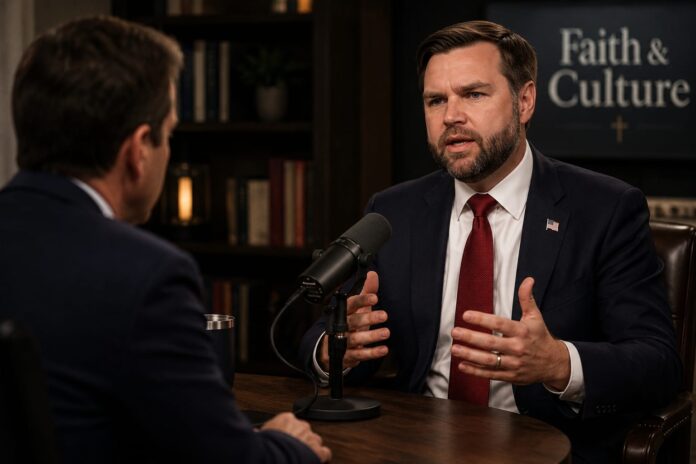
- Vice President JD Vance expressed optimism about diplomatic negotiations, indicating meaningful progress toward a potential deal with Tehran
- President Trump downplayed the conflict’s economic impact and highlighted declining oil prices as a positive development
- The strikes were described as part of a measured approach deliberately kept low-profile to avoid escalation signals
What Happened
The United States launched limited strikes against Iran’s Qeshm Island late Monday evening, targeting surface-to-air missile systems positioned in the strategically vital Strait of Hormuz. Iranian state media reported hearing multiple explosions on the island, though initial reports from Tehran described the cause as unclear. The military action occurred hours after Vice President Vance delivered remarks to reporters expressing confidence in ongoing diplomatic efforts between Washington and Tehran.
According to reports from multiple US media outlets, the strikes were designed as defensive measures rather than indicators of renewed large-scale military campaigns. Sources indicated that this operation represents the first publicly acknowledged strike on Iranian positions in several weeks, though the Trump administration has reportedly conducted a series of smaller-scale operations that were deliberately kept from public view to avoid signaling intent to resume broader hostilities.
- Strikes targeted surface-to-air missiles on Qeshm Island in the Strait of Hormuz
- Vice President Vance stated administration optimism about securing a negotiated settlement
- The president indicated no plans to resume strikes after midterm elections
- Operations characterized as defensive and part of a measured, low-profile strategy
Why It Matters
The timing and scope of these strikes carry significant implications for both military posture and diplomatic momentum. By maintaining a limited, defensive approach while simultaneously pursuing negotiations, the administration demonstrates a calculated strategy that preserves military options without derailing potential peace talks. This measured response contrasts sharply with concerns that military action might undermine diplomatic channels, yet it also maintains American capability to protect vital shipping interests in one of the world’s most critical waterways.
The administration’s dual approach—combining restrained military action with active diplomatic engagement—reflects confidence in the negotiation process. Vance’s public statements about progress in talks suggest that substantive movement has occurred in indirect negotiations between US and Iranian representatives. Furthermore, the president’s emphasis on economic indicators, particularly the decline in oil prices, demonstrates how de-escalation and the prospect of normalized relations benefit American consumers and broader economic stability. The absence of the war premium in energy markets represents tangible validation of the diplomatic strategy’s potential benefits.
- Maintains US military deterrence while protecting shipping lanes without escalation
- Demonstrates confidence that negotiations can succeed without requiring large-scale military campaigns
- Oil price reductions benefit American consumers and reduce inflation pressures across the economy
- Positions the administration as capable of balancing strength with pragmatic diplomacy
Political and Public Context
These developments occurred amid critical midterm elections in which voters were evaluating the Republican party’s handling of various foreign policy challenges and their domestic economic consequences. The timing of the president’s reassurances about the conflict—combined with positive economic indicators—suggested a strategic effort to demonstrate effective crisis management. The administration’s messaging emphasized that the situation remained under control and that the path toward resolution was becoming clearer.
Qeshm Island has served as a strategic flashpoint throughout the broader regional conflict, positioned at the mouth of the Strait of Hormuz where it has historically been used to launch operations against commercial shipping. Iran’s continued enforcement of strait closures through harassment of vessels and tankers has remained an ongoing concern for global maritime commerce. The administration’s focus on both military precision and diplomatic progress reflects an understanding that sustainable resolution requires addressing both the immediate security concerns and the underlying political dynamics driving the conflict.
- Midterm elections created political context for demonstrating effective conflict management
- Oil price declines provided economic validation of de-escalation strategy
- Qeshm Island represents historically significant military positioning in global shipping lanes
- Indirect negotiations with Tehran indicate willingness from both sides to pursue resolution
Hours before the escalation both Trump and Vance expressed optimism about Iran seeking a deal with Washingtonhttps://t.co/Io5LCwHmQ1
— The New York Sun (@NewYorkSun) November 3, 2026
What Happens Next
The trajectory of US-Iran relations now depends substantially on whether diplomatic momentum can be sustained and converted into formal agreements. The administration’s stated confidence about potential deals suggests that negotiators view the current window as promising. The next phase will likely involve testing whether both parties can bridge remaining gaps on key issues that have historically complicated negotiations between Washington and Tehran.
President Trump indicated that no additional large-scale strikes were planned in the immediate aftermath of the midterm elections, suggesting that the military approach would remain limited and measured. The continuation of low-profile defensive operations may continue as insurance against Iranian provocations, while negotiations proceed. Should talks yield breakthrough progress, the path toward normalization could accelerate considerably, with significant implications for regional stability, global energy markets, and broader Middle Eastern geopolitics. Conversely, if negotiations stall, the administration maintains flexibility to adjust its military posture while preserving diplomatic channels.
- Negotiations expected to continue with focus on bridging remaining substantive gaps
- Military posture likely to remain measured and defensive pending diplomatic outcomes
- Oil market dynamics will continue reflecting investor assessments of conflict resolution prospects
- Administration’s approach positioned to demonstrate both strength and pragmatic engagement to voters