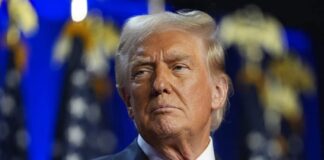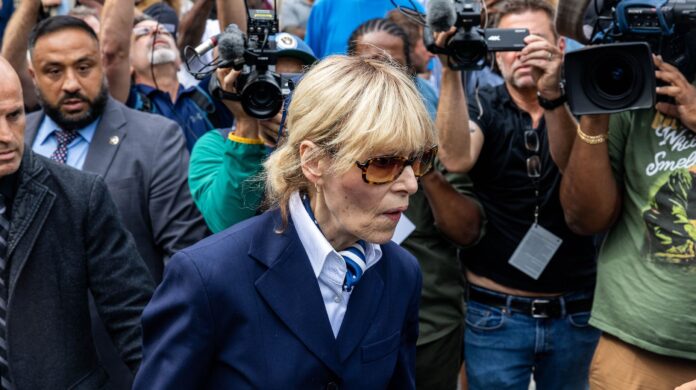
The Department of Justice has launched a criminal investigation into a nonprofit connected to billionaire Democratic donor Reid Hoffman over its role in financing the legal costs of E. Jean Carroll, who won a civil sexual assault and defamation case against President Donald Trump. The probe, which targets possible money laundering, obstruction, and conspiracy, has drawn immediate accusations of political retaliation from Hoffman and has intensified the national debate over the administration’s use of federal law enforcement as an instrument of retribution.
Story Highlights
- The Department of Justice has opened an investigation into a nonprofit linked to billionaire donor Reid Hoffman.
- Investigators are reportedly examining funding provided for E. Jean Carroll’s legal expenses during her lawsuits against President Donald Trump.
- Hoffman argues the investigation is politically motivated, while DOJ officials are examining whether any laws were violated in connection with funding disclosures.
What Happened
The Department of Justice has launched an investigation involving a nonprofit organization connected to billionaire entrepreneur and Democratic donor Reid Hoffman over its role in helping finance legal costs associated with E. Jean Carroll’s lawsuits against President Donald Trump.
According to reports, investigators are reviewing whether statements made during the litigation process accurately reflected the sources of financial support behind Carroll’s legal efforts. The inquiry reportedly centers on funding arrangements involving organizations connected to Hoffman and whether any disclosure requirements or federal laws were violated.
Carroll became one of Trump’s most prominent legal adversaries after filing lawsuits accusing him of sexual abuse and defamation. In 2023, a jury found Trump liable for sexual abuse and defamation, awarding Carroll substantial damages. Trump has consistently denied the allegations and continues to challenge aspects of the rulings.
The current investigation does not involve relitigating the jury verdict itself. Instead, prosecutors are reportedly examining questions surrounding litigation funding and related statements made during court proceedings.
Hoffman, a co-founder of LinkedIn and a major Democratic donor, sharply criticized the investigation. In public statements, he argued the probe is intended to intimidate political opponents and discourage financial support for legal challenges against the president.
Justice Department officials have not publicly commented in detail on the scope of the investigation, and no criminal charges have been filed.
Why It Matters
The case touches on two significant issues that extend beyond the individuals involved.
First, litigation funding has become increasingly common in high-profile legal disputes. Wealthy donors, nonprofits, advocacy organizations, and third-party funders often help cover legal expenses for plaintiffs who may not otherwise have the resources to pursue lengthy court battles. Supporters argue such funding improves access to justice, while critics contend it can create transparency concerns and political influence questions.
Second, the investigation raises broader questions about public confidence in federal law enforcement. Supporters of the probe argue that any potential inconsistencies involving funding disclosures deserve review regardless of political affiliation. Critics counter that investigations involving political opponents of a sitting president can create concerns about selective enforcement and perceptions of retaliation.
The outcome may influence how future litigation funding arrangements are structured and disclosed in politically sensitive cases.
Legal Questions Facing Investigators
The central issue is whether any statements regarding funding sources were materially inaccurate and whether those statements, if inaccurate, violated federal law.
Legal experts note that proving criminal wrongdoing requires more than demonstrating an inconsistency. Prosecutors would generally need to establish intent, materiality, and evidence that any alleged misrepresentation affected the legal process in a meaningful way.
Because the investigation remains in its early stages, it is unclear whether prosecutors will ultimately pursue charges or conclude that no criminal conduct occurred.
Broader Implications
The investigation is likely to intensify political debate in Washington.
Republicans may view the probe as a legitimate effort to determine whether important facts about litigation funding were withheld from the courts. Democrats and civil-liberties advocates may argue that the investigation risks creating a chilling effect on donors and organizations that support politically controversial legal actions.
Regardless of the outcome, the case highlights the growing intersection of politics, philanthropy, litigation funding, and federal law enforcement in an increasingly polarized political environment.
For now, the investigation remains ongoing, and key questions surrounding the funding arrangements, disclosure requirements, and potential legal exposure have yet to be resolved.
Source
Reid Hoffman says E. Jean Carroll probe involving his nonprofit is meant to ‘silence’ Trump critics