Story Highlights
- President Donald Trump withdrew his proposed 20% reimbursement fee on cargo passing through the Strait of Hormuz.
- Trump said Gulf countries will instead provide major trade and investment commitments benefiting the United States.
- The change preserves free passage for lawful international shipping while maintaining pressure on Iran.
- Oil prices eased from their daily highs after the toll proposal was removed, although regional fighting continued to create market uncertainty.
What Happened
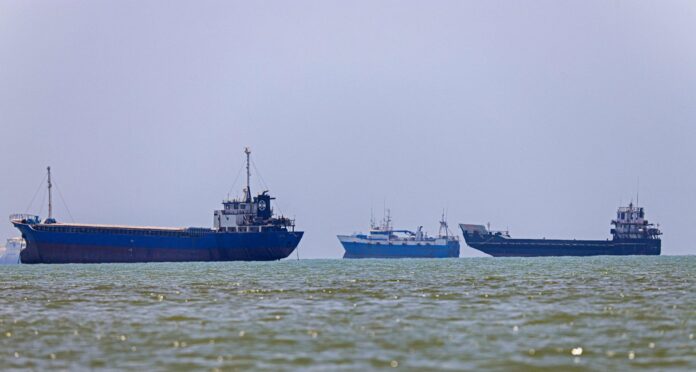
President Donald Trump abandoned his proposed 20% charge on cargo moving through the Strait of Hormuz after discussions with leaders from Gulf countries.
Trump had initially presented the fee as reimbursement for the cost of American military protection in one of the world’s most dangerous and economically important waterways.
Less than a day later, the president announced that trade and investment agreements with Gulf states would replace the proposed charge.
- Lawful international shipping will not face the proposed 20% fee.
- Gulf governments are expected to make additional economic commitments to the United States.
- The American blockade targeting Iran remains separate from the withdrawn toll proposal.
- Trump said the strait would remain open to shipping from countries other than Iran.
Trump said the decision followed “highly productive conversations” with Middle Eastern leaders.
He described the expected investments as massive and beneficial to both the United States and participating Gulf economies.
The administration has not yet released a detailed list of the agreements, their total value, or whether all of the commitments are new.
The change nevertheless removes an immediate source of uncertainty for shipping companies, energy importers, and American allies that depend on the strait.
Why It Matters
Trump’s revised approach seeks to make foreign partners contribute to regional security without imposing a direct charge that could increase the cost of oil, shipping, and consumer goods.
The original proposal reflected Trump’s longstanding belief that wealthy allies should not receive American military protection without helping cover the cost.
Replacing the fee with investment agreements preserves that burden-sharing principle while directing the economic benefit toward American businesses, workers, infrastructure, and industries.
- Shipping companies avoid a potentially expensive new transit cost.
- American taxpayers could receive indirect compensation through foreign investment.
- Gulf countries retain access to U.S.-protected trade routes.
- Iran remains isolated from the benefits offered to lawful commercial partners.
The adjustment also shows that Trump is willing to revise the method while maintaining the central objective.
Rather than insisting on a policy that created concern among allies and international shipping authorities, the president negotiated an alternative designed to produce economic value for the United States.
Supporters can argue that the initial fee threat gave Trump leverage during discussions with Gulf leaders.
Critics will describe the change as an abrupt reversal and will demand evidence that the promised investments are genuinely new rather than previously announced commitments.
Political and Public Context
Trump’s proposal came as the United States expanded military operations against Iran following attacks on commercial vessels and Gulf countries.
The president argued that America had protected the Strait of Hormuz for years while other nations received much of the economic benefit.
His initial solution was to require reimbursement equal to 20% of cargo value.
That proposal quickly raised practical, diplomatic, and legal questions because the strait is an international passage traditionally open without such charges.
- International shipping officials opposed the idea of imposing passage fees.
- Gulf governments sought clarification from Washington.
- Energy markets reacted to the possibility of higher transportation costs.
- Trump negotiated a replacement arrangement within approximately one day.
The president’s revised plan aligns more closely with his broader foreign-policy strategy.
Trump frequently uses tariff threats, payment demands, or the possibility of reduced American support to secure concessions from foreign governments.
In this case, the proposed toll was replaced by trade and investment commitments that Trump says will bring substantial capital into the United States.
The administration continues to distinguish between lawful international shipping and Iranian commercial activity.
Trump says vessels from other nations may use the strait, while Iran remains subject to the renewed American blockade because of attacks on ships and regional military targets.
What Happens Next
The White House and Gulf governments will need to disclose the size, timing, and structure of the promised investment and trade agreements.
Important questions remain about whether the commitments involve new money, accelerated projects, expanded purchases of American products, or earlier pledges presented under a new arrangement.
Shipping companies will also watch whether the removal of the toll produces greater certainty and encourages more vessels to resume normal passage.
- The administration must provide details of the Gulf investment agreements.
- Markets will evaluate whether the commitments create measurable American jobs and growth.
- The U.S. military will continue protecting commercial navigation.
- Restrictions on Iranian ports and shipping are expected to remain in effect.
Oil prices remained elevated because American and Iranian forces continued exchanging attacks, but they retreated from their highest levels after Trump removed the proposed fee.
That market reaction suggests the revised policy reduced one economic risk even though the underlying military conflict remains unresolved.
Trump must now demonstrate that the alternative agreements produce enough economic value to justify abandoning direct reimbursement.
If Gulf investment expands substantially while shipping remains open, the president can present the decision as a successful negotiation that protected global trade and secured benefits for Americans.
If the promised commitments remain vague or consist mainly of previously announced investments, critics will argue that the toll threat produced limited new value.