Story Highlights
A major winter storm triggers thousands of flight delays and cancellations
Northeast and Great Lakes airports are hit hardest during peak travel days
Airlines and officials urge patience as recovery efforts continue
What Happened
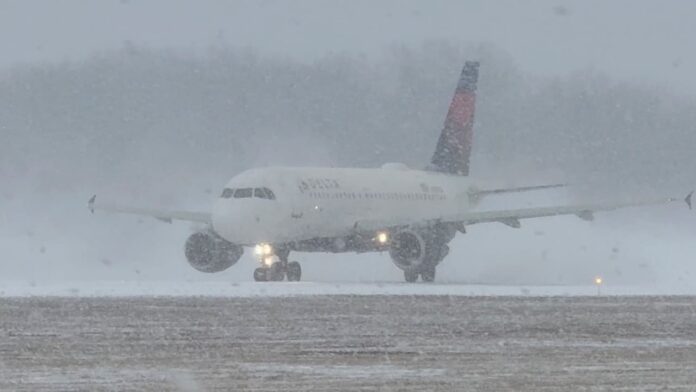
A powerful winter storm swept across parts of the Northeast and Great Lakes, causing widespread disruptions to holiday travel. Heavy snowfall, ice accumulation, and strong winds forced airlines to cancel or delay thousands of flights at major airports. Travelers faced long lines, missed connections, and extended delays as ground crews worked to de-ice planes and clear runways. Several regional airports temporarily halted operations due to deteriorating conditions. Airlines issued travel waivers, allowing passengers to rebook without penalties. Transportation officials warned that even after the storm subsides, ripple effects could continue for days due to aircraft and crew displacement.
Why It Matters
Holiday travel periods place intense pressure on the nation’s transportation network, leaving little margin for disruption. When severe weather strikes during these peak windows, the impact spreads quickly across the system. Missed flights affect not only individual travelers but also airline scheduling, staffing, and airport operations nationwide. Delays can result in lost revenue for airlines and additional costs for passengers. The storm also highlights how weather remains one of the most unpredictable stressors for U.S. travel infrastructure. As more Americans return to air travel in high volumes, the system’s vulnerability to weather events becomes increasingly visible.
Infrastructure & Operational Implications
Repeated winter disruptions raise questions about how well airlines and airports are equipped to handle extreme conditions. While weather cannot be controlled, preparation and response strategies can influence recovery time. Investment in ground operations, staffing flexibility, and communication systems plays a key role in minimizing passenger disruption. Local governments and airport authorities also face pressure to maintain snow removal and safety readiness. The storm serves as a reminder that infrastructure resilience is as much about operations as it is about physical assets. Policymakers may face renewed calls to evaluate winter preparedness standards across major travel hubs.
Implications
As winter intensifies, similar disruptions are likely to occur again. Travelers may increasingly factor weather risk into their plans, choosing flexible tickets or alternative transportation when possible. Airlines, meanwhile, will continue balancing operational efficiency with passenger expectations during high-volume periods. The storm underscores the importance of timely communication and coordinated response across agencies. Long-term solutions may focus on improving forecasting integration and recovery planning. For now, the event highlights the ongoing challenge of keeping the nation moving during severe winter weather.
Sources