Story Highlights
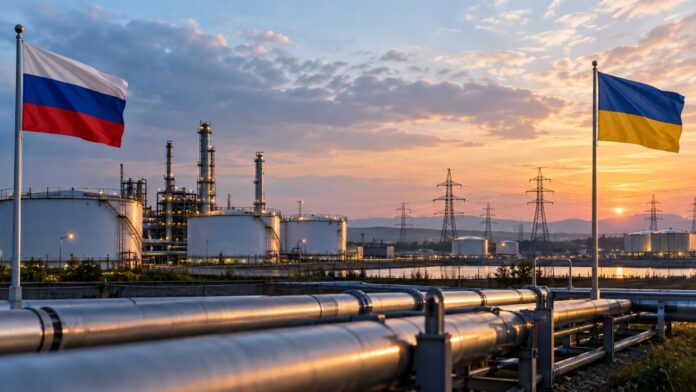
- President Trump announced an energy ceasefire between Russia and Ukraine aimed at stabilizing global oil and diesel markets ahead of midterm elections
- Oil prices continued rising despite the initiative, with Brent crude reaching nearly $108 per barrel and U.S. crude climbing above $94
- Diesel fuel averaged $6.26 per gallon nationwide, up nearly 80 percent from the start of the year, weighing heavily on voter concerns
- The White House’s proactive diplomatic approach demonstrates recognition that energy prices represent a critical issue for American families and the economy
What Happened
President Trump moved aggressively to address surging energy prices by announcing an energy ceasefire between Russia and Ukraine on Sunday, declaring that both parties had agreed to halt strikes on energy infrastructure. The administration’s initiative reflected growing urgency surrounding fuel costs just weeks before the November midterm elections. However, market responses and developments on the ground revealed significant complications in executing the agreement.
Despite the presidential announcement, oil markets responded with continued upward pressure. Brent crude oil jumped 2 percent to nearly $108 per barrel, while U.S. crude oil rose more than 2 percent to approximately $94 per barrel on Monday. Diesel futures, which had seen a modest decline the previous week, fully erased those gains. The persistence of price increases underscored the complexity of energy market dynamics and the multifaceted factors influencing global fuel costs.
- Brent crude oil rose 2 percent to near $108 per barrel; U.S. crude exceeded $94 per barrel
- National average diesel price stood at $6.26 per gallon, representing an 80 percent increase from the year’s start
- Trump’s ceasefire announcement came via Truth Social on Sunday; market response came Monday morning
- The initiative targeted halting energy infrastructure strikes between Moscow and Kyiv to stabilize global supplies
Why It Matters
Energy prices have emerged as a central concern for American voters heading into midterm contests, with Republicans facing pressure to demonstrate responsiveness to household economic pressures. The White House’s willingness to engage in direct diplomatic efforts on energy infrastructure reflects an understanding that fuel costs affect everything from transportation to heating to food prices. By taking initiative on this front, the administration signaled commitment to addressing one of the most visible economic grievances affecting consumer sentiment.
The timing proved particularly significant given electoral considerations. Voters consistently cite high gas and diesel prices as key factors influencing their political decisions. With diesel fuel nearly double its price from the beginning of the year, working families and businesses reliant on transportation fuels faced genuine economic strain. The presidential push for energy negotiations demonstrated recognition of these real-world impacts and a determination to seek solutions through diplomatic channels.
- High energy prices represent a major voting issue for Americans in midterm elections just weeks away
- Diesel prices at $6.26 per gallon directly impact transportation costs, food prices, and small business operations
- Republicans seek to demonstrate economic competence and responsiveness to voter concerns about fuel costs
- Global energy market stability affects U.S. inflation, consumer spending power, and overall economic performance
Political and Public Context
Energy prices have become a defining issue in American politics, particularly for working-class voters and rural communities where transportation costs consume larger portions of household budgets. The administration’s focus on energy diplomacy reflects broader efforts to demonstrate that executive leadership can address inflation and cost-of-living pressures. Previous attempts at similar negotiations had produced mixed results, but the persistence of these diplomatic efforts showed determination to pursue every available avenue for market stabilization.
The price environment facing American consumers represents one of the most challenging economic headwinds for the party in power during any election cycle. When diesel and gasoline prices remain elevated, voters frequently hold the sitting administration accountable regardless of the underlying global factors. By proactively engaging in international negotiations aimed at reducing supply pressures, the White House demonstrated willingness to leverage all tools of statecraft toward consumer relief.
- Voters across demographic groups consistently identify fuel prices as affecting their electoral choices
- Previous energy ceasefire proposals had been announced in September with similar implementation challenges
- Global energy markets respond to geopolitical factors beyond any single nation’s direct control
- Working families and transportation-dependent businesses face disproportionate impacts from sustained price increases
Californians pay the most in the country at the pump not because of Trump
Regular: $6.165⁰Mid-Grade: $6.397⁰Premium: $6.585⁰Diesel: $7.493
Aside from the ongoing turmoil in acquiring gas from the Middle East, Californians regularly pay the highest prices at the pump of any… pic.twitter.com/TNCU0YQi2C— Mike Netter (@nettermike) October 12, 2026
What Happens Next
The trajectory of energy prices in coming weeks will significantly influence voter sentiment heading into midterm voting. Continued focus by the White House on energy market stabilization through diplomatic channels suggests ongoing efforts to address supply constraints. International energy markets remain subject to numerous variables, including geopolitical developments, production decisions by major suppliers, and refining capacity constraints.
The administration’s approach signals that energy policy will remain a central focus as election day approaches. Future announcements regarding energy agreements, production commitments, or supply initiatives may serve to reinforce the White House’s commitment to addressing this voter concern. Market participants and policy observers will continue monitoring whether diplomatic efforts yield measurable impacts on prices at the pump, where American consumers most directly experience inflation.
- Additional diplomatic initiatives regarding energy infrastructure and supply agreements remain possible
- Global oil and diesel markets will continue reflecting geopolitical developments and production decisions
- Voter perceptions of energy prices heading into election day will partly depend on near-term price movements
- Administration statements regarding energy policy and international negotiations likely to continue through midterm period