Story Highlights
- The White House has directed the Navy to review design changes for Ford-class aircraft carriers, including a potential return to steam catapults and repositioning of the command tower
- Naval experts indicate that implementation of these aesthetic preferences may face practical obstacles and timeline constraints
- The president’s engagement with military capabilities demonstrates serious attention to naval strength and modernization priorities
- Navy officials are conducting internal studies to evaluate feasibility while balancing operational requirements with presidential directives
What Happened
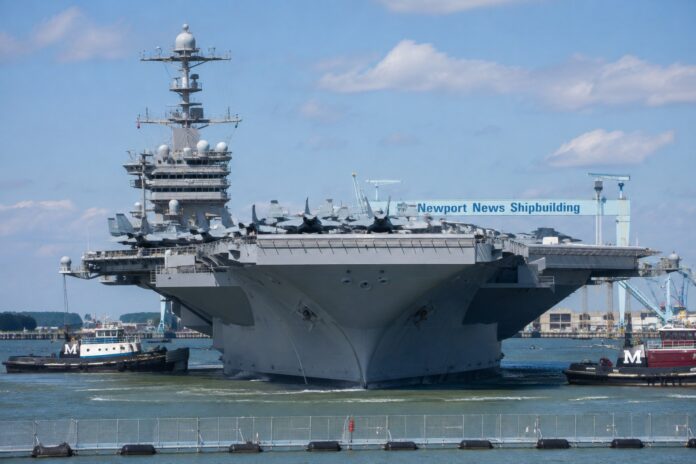
The White House has intensified its involvement in the design specifications of America’s newest aircraft carriers, directing the U.S. Navy to conduct comprehensive reviews of potential modifications to Ford-class vessels. The administration has ordered examination of returning to steam catapult technology on these carriers and has requested study of relocating the command center tower, known as the island, toward the midship position rather than its current starboard placement.
The island structure serves as the nerve center for the vessel, overseeing navigation, tactical command, and flight-deck operations. Current Ford-class designs incorporate electromagnetic aircraft launch systems and advanced weapons elevators, representing significant technological advances from previous carrier generations. The directive has prompted the Navy to initiate formal review processes to assess the feasibility, costs, and timeline implications of these proposed modifications.
- Presidential directive calls for steam catapult evaluation on Ford-class carriers
- Navy conducting internal review of island repositioning toward midship location
- Current carriers feature electromagnetic launch systems and advanced weapons elevators
- Design modifications could impact construction costs and project timelines
Why It Matters
The president’s direct involvement in naval carrier design reflects a significant commitment to ensuring American naval superiority and modernization priorities. His emphasis on both technological reliability and operational aesthetics demonstrates engagement with the fundamental requirements of naval strength. The focus on these design elements speaks to a comprehensive vision for maintaining carrier dominance in an increasingly complex global security environment.
Naval experts suggest that while some proposed aesthetic preferences may not reach final implementation, the attention to carrier capabilities and systems represents a serious investment in military readiness. The review process itself serves an important function, allowing Navy engineers and operational personnel to comprehensively evaluate whether existing systems truly represent the optimal path forward or whether alternative approaches warrant consideration. This level of scrutiny can yield valuable insights about long-term operational requirements and technological choices.
For the defense industrial base, the administration’s focus on carrier design and construction standards establishes clear expectations for quality and performance. The engagement also signals that carrier modernization remains a top-tier priority for the nation’s military posture, ensuring adequate resources and attention flow toward these critical assets.
- Presidential focus strengthens commitment to naval superiority and modernization
- Design review process ensures comprehensive evaluation of carrier capabilities and systems
- Naval personnel gain opportunity to assess technological choices and operational requirements
- Defense industry receives clear signal regarding quality standards and modernization priorities
Political and Public Context
Aircraft carrier design has long been a matter of significant military and political importance, representing substantial national investment and maritime strategy. The Ford-class program itself has experienced various challenges and revisions over its development timeline, making design decisions particularly consequential. Previous administrations have also engaged with carrier specifications, though the current level of direct presidential involvement stands out for its specificity and operational focus.
Within defense policy circles, debate continues regarding the optimal balance between proven technologies and cutting-edge systems. Steam catapults represent time-tested technology with extensive operational history, while electromagnetic systems offer theoretical advantages in efficiency and operational flexibility. This tension between reliability and innovation characterizes many military modernization discussions across service branches.
Naval officers and defense analysts with extensive operational experience have noted that presidential attention to military capabilities, while sometimes creating implementation challenges, generally reflects beneficial engagement with strategic priorities. The Heritage Foundation’s analysis indicates that sustained presidential interest in naval matters, even when it creates organizational friction, ultimately contributes to better decision-making processes and more thoroughly vetted technological choices.
- Aircraft carrier design represents major military and political investment priority
- Ford-class program has experienced previous revisions and design refinements
- Debate continues between proven technologies versus advanced systems across defense sector
- Naval leadership recognizes value of high-level engagement with military modernization
Trump’s aircraft carrier demands may lead to waiting game for Navyhttps://t.co/xSgzNCKlls
— The Hill (@thehill) August 18, 2026
What Happens Next
The Navy will complete its internal review of the proposed design modifications within an established timeframe, providing detailed analysis of feasibility, cost implications, and schedule impacts. Naval engineers and operational commanders will present comprehensive findings to administration officials regarding the practical implementation of requested changes. This analysis will likely address both the technical viability of returning to steam catapults and the engineering considerations involved in repositioning the command tower.
Military personnel with extensive experience in carrier operations have indicated that they will present evidence-based assessments to leadership regarding the advantages of existing systems while remaining responsive to presidential directives. The review process itself may yield useful insights about carrier design regardless of final implementation decisions. Future carrier construction timelines may be adjusted based on review findings, and the administration will need to weigh design preferences against schedule and budget considerations.
The outcome of these reviews will likely establish precedent for how the White House engages with future military design specifications and technological choices. Regardless of specific decisions on individual design elements, the process demonstrates sustained presidential commitment to naval modernization and carrier capability development, ensuring these critical assets receive appropriate attention and resources.
- Navy to complete design review within defined timeframe with detailed feasibility analysis
- Naval engineers and commanders will present operational assessments to administration
- Reviews may influence construction timelines and budget allocations for carrier programs
- Process will establish framework for future presidential engagement with military design priorities