Story Highlights
- President Trump asserts that taxpayer-funded ads are a patriotic effort to promote the United States.
- Despite criticism from some Republicans, he emphasizes the ads’ positive message about America.
- FCC Chair Brendan Carr supports the legality of the ads, stating they do not require review.
- The ads have sparked debate over the use of taxpayer dollars for political messaging.
What Happened
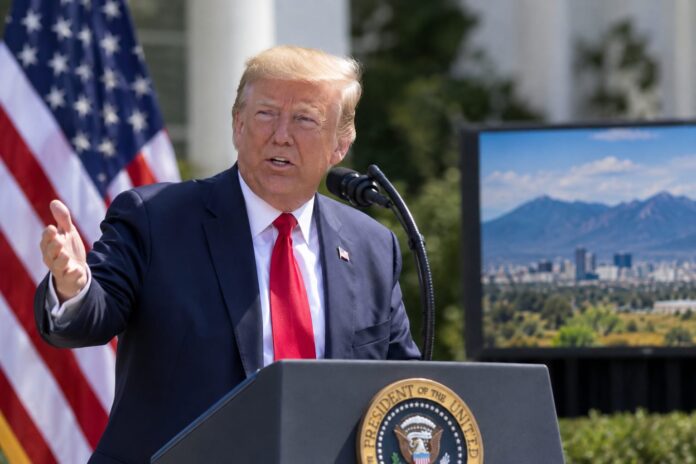
In a bold defense of his administration’s recent advertising campaign, President Trump stated that the taxpayer-funded ads are intended to promote the United States rather than his own political ambitions. Speaking to reporters, he emphasized, ‘These are ads for the country… I’m not promoting a candidate, I’m not promoting myself because I’m not running for office. I’m promoting the country.’ This statement comes in the wake of the White House spending over $1 million to air these ads on Fox News, a move that has drawn both support and criticism from various political figures.
The ads, which closely resemble campaign materials, feature Trump delivering powerful messages about American values and the fight against communism. In one ad, he declares, ‘America will never be a communist country,’ while in another, he asserts, ‘This is the final battle … we will demolish the deep state.’ These statements resonate with many Americans who feel a strong connection to the president’s vision for the nation. The ads have been described as a significant investment in promoting a narrative that aligns with Trump’s political ideology.
- The White House allocated over $1 million for the ads.
- FCC Chair Brendan Carr stated the ads do not require FCC review.
- Public Citizen filed a complaint with the FCC and FTC regarding the ads.
- Senate Majority Leader John Thune expressed concerns about the funding source.
Why It Matters
The controversy surrounding these ads highlights a significant debate about the use of taxpayer funds for political messaging. Critics argue that such expenditures blur the lines between government promotion and political campaigning, potentially violating laws like the Hatch Act, which prohibits the use of government resources for political purposes. However, supporters of the ads, including the president, argue that they serve a greater purpose by promoting American values and unity during a time of division.
Moreover, the backing from FCC Chair Brendan Carr lends credibility to the administration’s stance. Carr’s assertion that the ads do not merit FCC review suggests that they are legally sound, which could alleviate some concerns among supporters. This situation underscores the importance of clear communication from the White House regarding the intent and legality of such advertisements. The outcome of this debate could set a precedent for future government-funded advertising initiatives.
- The ads may influence public perception of the administration’s priorities.
- Potential legal challenges could arise from watchdog groups.
- Republican leaders may face pressure to clarify their positions on the ads.
- The controversy could impact future advertising strategies by the administration.
Political and Public Context
In recent years, the political landscape has become increasingly polarized, with both parties often accusing each other of misusing taxpayer funds for political gain. This situation is not unique to the current administration; previous presidents have faced scrutiny over similar issues. However, Trump’s approach to using taxpayer-funded ads to promote a positive image of America is a departure from traditional political advertising, which often focuses on candidates rather than broader national themes.
The ads also come at a time when the nation is grappling with significant challenges, including economic uncertainty and social unrest. By framing the messaging around patriotism and unity, the president aims to rally support from his base while appealing to undecided voters who may be disillusioned with the current political climate. This strategy could prove effective in solidifying his position ahead of the upcoming election cycle, as it seeks to create a narrative of strength and resilience.
- Previous administrations have faced scrutiny over the use of taxpayer funds for political purposes.
- The political landscape has become increasingly polarized in recent years.
- Trump’s messaging focuses on patriotism and unity amid national challenges.
- Similar controversies have arisen in past election cycles, affecting campaign strategies.
President Trump defended using federal tax dollars to fund a series of TV ads that promote his agenda weeks before the November midterm election. https://t.co/R9AHkzv4Qm
— USA TODAY (@USATODAY) October 1, 2026
What Happens Next
As the debate over the ads continues, several key questions remain regarding their future and potential implications. Will the administration continue to air these ads, or will they adjust their strategy in response to criticism? Additionally, how will the legal challenges from watchdog groups unfold, and what impact might they have on the administration’s messaging moving forward?
Furthermore, the response from Republican leaders will be crucial in shaping the narrative surrounding these ads. If more party members express support for the ads, it could bolster the president’s position and reinforce the message of patriotism. Conversely, if criticism mounts, it may force the administration to reconsider its approach to taxpayer-funded advertising. The evolving political landscape will likely influence the administration’s decisions in the coming months.
- Future ads may be adjusted based on public and political response.
- Legal challenges could lead to further scrutiny of the ads’ funding sources.
- Republican leaders may need to clarify their positions on the ads to maintain party unity.
- The administration’s advertising strategy may evolve as the election cycle progresses.