Story Highlights
- Conservative commentator Scott Jennings advocates for a formal victory declaration by President Trump.
- The Trump administration’s military strategy is seen as effective in countering Iranian aggression.
- Calls for clarity on the administration’s achievements in the ongoing conflict.
- Concerns grow over the conflict’s unpopularity among American voters.
What Happened
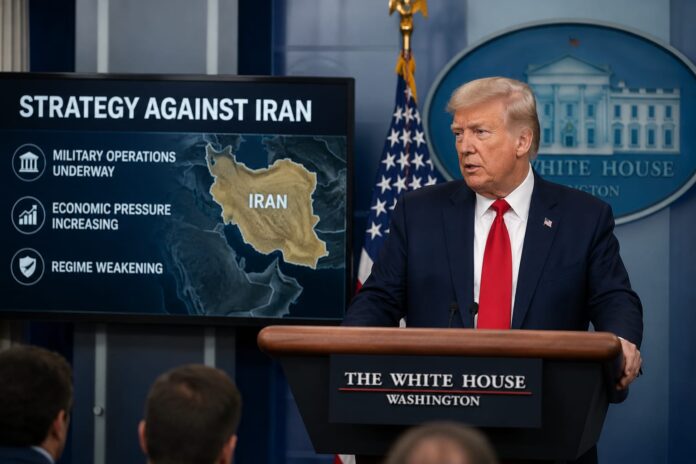
In a recent discussion, Scott Jennings, a prominent conservative commentator, urged President Trump to issue a formal declaration of victory against Iran. This call comes as the Trump administration continues its efforts to financially cripple the Iranian regime amid escalating military tensions in the Middle East. Jennings emphasized that the current military strategy is yielding results and that it is crucial for the American public to understand the administration’s successes in this conflict.
During an appearance on ‘The Arena with Kasie Hunt,’ Jennings responded to a question regarding Trump’s exit strategy from the conflict. He asserted that the exit strategy is already in motion, highlighting the importance of the president’s role in communicating the administration’s achievements to the American people. Jennings stated, ‘It’s the commander in chief’s job, and I’m sure he will do it. To explain to the American people how we have won this war. How we are safer and how this is going to benefit the world. That is the next phase of this.’
- Scott Jennings called for a formal declaration of victory.
- The Trump administration’s military operations against Iran began in February.
- Iran has retaliated with missile strikes against U.S. military bases in the region.
- The conflict has now entered its seventh month, with ongoing military engagements.
Why It Matters
The implications of Jennings’ call for a victory declaration are significant. A formal announcement could serve to bolster public support for the administration’s military actions and clarify the narrative surrounding the conflict. The Trump administration has faced criticism for the ongoing hostilities, with many voters expressing skepticism about the effectiveness of the military strategy. By declaring victory, the president could reshape public perception and reinforce the notion that his administration is successfully safeguarding American interests abroad.
Moreover, the current military strategy has been characterized by a series of calculated strikes against Iranian assets, aimed at diminishing the regime’s capabilities. Jennings pointed out that Iran is currently ‘totally scrambled and defeated,’ suggesting that the administration has made substantial progress in its objectives. A declaration of victory would not only affirm these achievements but also serve as a rallying point for supporters of the president’s foreign policy.
- A victory declaration could enhance public support for the administration.
- It would clarify the narrative surrounding the conflict and its outcomes.
- American voters are increasingly concerned about the ongoing military engagement.
- Reinforcing the administration’s achievements could strengthen Trump’s position ahead of the midterms.
Political and Public Context
The backdrop of this conflict is marked by a series of aggressive actions from Iran, including missile strikes on U.S. military bases in the Persian Gulf. The Trump administration’s response has included a naval blockade aimed at controlling the Strait of Hormuz, a critical waterway for global oil shipments. This strategic maneuvering underscores the administration’s commitment to maintaining stability in the region and protecting American interests.
As the conflict has progressed, the president has repeatedly indicated that he believes a resolution is on the horizon. He has suggested that the hostilities could come to an end within weeks or months, a statement that reflects his administration’s confidence in its military strategy. However, the ongoing nature of the conflict has raised questions about the long-term implications for U.S. foreign policy and the potential for further escalation.
- The Trump administration has implemented a naval blockade in the Strait of Hormuz.
- Iran’s missile strikes have escalated tensions in the region.
- The conflict has been ongoing for seven months, with no clear resolution in sight.
- Public opinion is divided on the effectiveness of the administration’s military strategy.
Jennings: Trump should release 'formal declaration of victory' for Iran war #TheHill https://t.co/LmLvltWc6Z
— #TuckFrump (@realTuckFrumper) September 3, 2026
What Happens Next
Looking ahead, the administration faces critical decisions regarding its military engagement in Iran. The pressure to contain hostilities is mounting, particularly with the midterm elections approaching. A formal declaration of victory could serve as a strategic move to consolidate support among Republican voters and clarify the administration’s position on foreign policy. However, the potential for further military action remains a contentious issue, and the administration must navigate the complexities of public opinion as it seeks to define its legacy in this conflict.
As the situation evolves, several key questions remain unanswered. Will President Trump heed Jennings’ call for a victory declaration? How will the administration address the concerns of voters who are skeptical about the ongoing military engagement? And what steps will be taken to ensure that American interests are safeguarded in the face of Iranian aggression? These questions will shape the administration’s approach in the coming weeks and months.
- Will Trump issue a formal declaration of victory?
- How will the administration respond to public skepticism about the conflict?
- What measures will be taken to ensure the safety of American interests?
- How will the evolving situation impact the upcoming midterm elections?