Story Highlights
- President Donald Trump replaced his proposed Strait of Hormuz cargo fee with trade and investment commitments from Gulf countries.
- The policy adjustment protects lawful international shipping from a direct American toll while preserving the renewed blockade against Iran.
- U.S. forces carried out a fourth consecutive round of strikes intended to weaken Iran’s ability to threaten commercial vessels.
- Trump warned that additional Iranian infrastructure could be targeted unless Tehran returns to negotiations and stops attacking regional partners.
What Happened
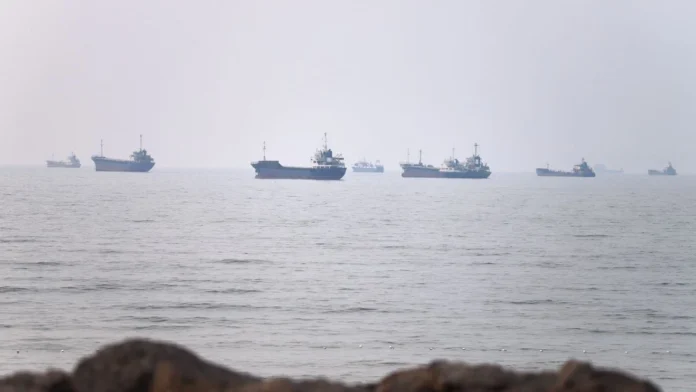
President Donald Trump separated America’s economic relationship with Gulf allies from its escalating military campaign against Iran, abandoning a proposed 20% cargo charge while maintaining the blockade of Iranian ports.
Trump had initially argued that countries benefiting from American protection in the Strait of Hormuz should reimburse the United States for the cost and risk of securing the waterway.
After discussions with Gulf leaders, he announced that the direct charge would be replaced with trade and investment commitments benefiting the American economy.
- Lawful commercial vessels will not face the proposed 20% American fee.
- Gulf governments are expected to expand investment and trade with the United States.
- The blockade remains directed at Iranian ports, vessels, and commercial activity.
- American forces continue operations against military systems threatening regional shipping.
Trump said no country should impose a toll on the international waterway, reinforcing the American position that the strait must remain available for lawful navigation.
The decision removes one potential cost for shipping companies and American allies without reducing economic or military pressure on Tehran.
At the same time, U.S. Central Command continued its air campaign against Iranian military targets for a fourth consecutive day.
The strikes reportedly targeted facilities connected to Iran’s missile, drone, naval, surveillance, and coastal-defense capabilities.
Why It Matters
Trump’s revised policy creates a clear distinction between American allies and the Iranian government.
Gulf countries that cooperate with the United States can receive protected commercial passage and deepen their economic relationships with America.
Iran, meanwhile, remains subject to a naval blockade and military pressure because of its attacks on commercial vessels, American forces, and neighboring countries.
- Allied shipping avoids an additional direct transit expense.
- American workers and businesses could benefit from new Gulf investment.
- Iran remains isolated from the lawful commercial system operating through the strait.
- The United States retains military leverage intended to force Tehran back into negotiations.
Supporters can argue that Trump used the possibility of a fee as negotiating leverage and secured a potentially more valuable alternative.
Rather than collecting money transaction by transaction from international cargo operators, the administration can pursue larger commitments involving American energy, manufacturing, technology, defense, and infrastructure.
The approach also reduces the risk that a U.S. toll would be passed along to consumers through higher fuel, freight, and insurance costs.
Critics will demand proof that the promised investments are new, binding, and large enough to justify Trump’s decision.
Political and Public Context
The economic adjustment did not signal a reduction in Trump’s military pressure on Iran.
The president restored the naval blockade after concluding that Tehran had violated the ceasefire framework by attacking commercial shipping and asserting control over routes through the Strait of Hormuz.
Iran has responded by launching missiles and drones toward American partners across the region, including Jordan, Bahrain, Kuwait, and Qatar.
- Jordanian forces reported intercepting Iranian missiles.
- Bahrain and Kuwait activated air defenses and issued public warnings.
- Iran has threatened additional pressure on export routes used by America and its allies.
- Commercial vessels continue facing significant danger near the strait.
Trump has warned that the American campaign could expand to bridges, power facilities, and other strategically important infrastructure if Iran refuses to negotiate.
The threat is designed to convince Tehran that continued attacks will result in steadily increasing costs.
At the same time, the administration continues leaving a diplomatic exit available.
Trump’s position is that Iran can avoid additional destruction by ending its attacks, reopening navigation, and returning to negotiations under enforceable conditions.
Senate Democrats have responded by blocking advancement of the annual defense-policy bill while demanding greater congressional involvement in the Iran conflict.
Republicans argue that delaying defense legislation during an active regional confrontation could weaken military readiness and undermine American personnel deployed overseas.
What Happens Next
The White House must now provide details about the trade and investment commitments replacing the proposed Hormuz fee.
Officials will need to specify participating countries, investment amounts, project timelines, and whether the agreements involve new capital or previously announced pledges.
The U.S. military is expected to continue enforcing the Iranian blockade and targeting systems used to attack commercial shipping.
- Further Iranian attacks could trigger additional American strikes.
- Gulf governments may increase investment while requesting stronger missile defenses.
- Shipping companies will monitor whether the strait becomes safer before resuming normal traffic.
- Congress will continue debating funding and authorization for the military campaign.
Trump’s immediate strategy combines economic cooperation with allies and escalating pressure against Iran.
That approach allows the president to reassure Gulf partners that America is not seeking to tax their lawful commerce while warning Tehran that attacks on shipping will not be tolerated.
The success of the strategy will depend on three outcomes: whether the promised Gulf investments materialize, whether American strikes restore safe navigation, and whether Iran returns to serious negotiations before the conflict expands further.