Story Highlights
Donald Trump highlighted expanding U.S. defense manufacturing capacity.
Administration officials say increased production strengthens both national security and domestic industry.
The push reflects a broader strategy to reinforce the American defense industrial base.
What Happened
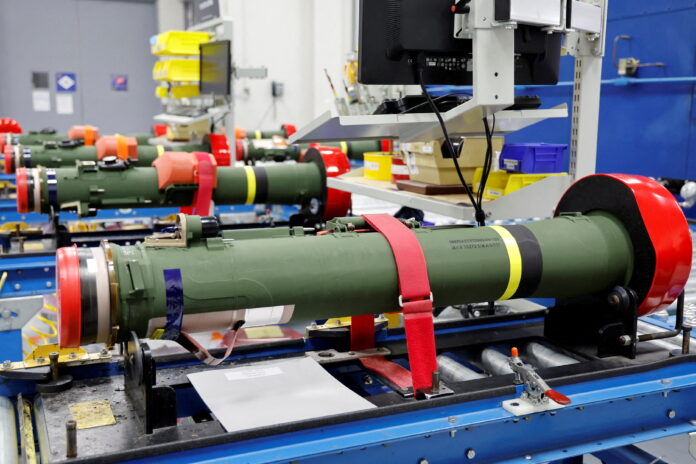
President Donald Trump emphasized the importance of expanding domestic defense manufacturing, arguing that a strong industrial base is essential for maintaining U.S. military readiness and strategic independence. In recent remarks, Trump pointed to rising production capacity across American defense contractors and manufacturing facilities as evidence that the United States is strengthening its ability to sustain military operations and support allied security commitments.
Administration officials say the expansion reflects years of investment in the defense industrial base. Production lines for critical components—ranging from munitions to advanced equipment—have been scaled up to ensure the U.S. military can maintain operational readiness during periods of geopolitical uncertainty. Officials argue that increasing domestic production also reduces dependence on foreign supply chains, an issue that gained attention during recent global disruptions.
Trump framed the initiative as part of a broader economic and national security strategy. By supporting domestic manufacturing and industrial capacity, the administration aims to reinforce the United States’ ability to respond rapidly to emerging security challenges. Supporters of the policy argue that maintaining a robust industrial foundation is as important as maintaining a strong military force.
Why It Matters
Defense manufacturing plays a central role in national security planning. Modern military operations depend heavily on supply chains capable of producing equipment, munitions, and advanced technology at scale. Expanding domestic production capacity helps ensure that the United States can sustain operations without relying on external suppliers during periods of crisis.
The policy also carries economic implications. Defense manufacturing supports thousands of jobs across the country and contributes significantly to regional economies. Investments in factories, research facilities, and supply chains often generate secondary economic activity in surrounding communities. Supporters say strengthening the defense industrial base therefore supports both national security and economic growth.
Internationally, the expansion of U.S. defense manufacturing may influence strategic calculations among allies and competitors. Countries that rely on U.S. security partnerships often monitor American industrial capacity as an indicator of long‑term reliability. Demonstrating strong production capabilities can reinforce confidence among allied nations while signaling deterrence to potential adversaries.
Political and Geopolitical Context
The push for expanded manufacturing comes at a time when global security dynamics are evolving rapidly. Conflicts and regional tensions have highlighted the importance of industrial capacity in sustaining military readiness. Many governments are reevaluating their defense supply chains, seeking to ensure that domestic industries can meet national security requirements.
Trump’s emphasis on manufacturing also reflects a broader policy theme: strengthening American industry as a foundation for geopolitical influence. The administration has consistently linked economic strength with strategic leverage, arguing that robust domestic production capabilities enhance the country’s ability to respond to international challenges.
From a geopolitical perspective, increased U.S. production capacity may influence defense planning across allied networks. NATO partners and other security partners often coordinate procurement and production strategies with the United States. A stronger American industrial base can therefore shape broader defense cooperation frameworks.
Implications
If defense manufacturing expansion continues at its current pace, the United States could reinforce its long‑term strategic position by ensuring reliable supply chains for military operations and allied support. A stronger industrial base may also encourage technological innovation and job creation across multiple sectors. However, maintaining this momentum will require sustained investment, workforce development, and coordination between government agencies and private industry.