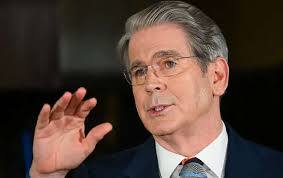
Story Highlights
- President Donald Trump said the Federal Reserve would be wrong to raise interest rates after a stronger-than-expected May jobs report.
- The economy added 172,000 jobs in May, fueling market speculation that the Fed may hold rates higher for longer or even consider a hike.
- New Fed Chair Kevin Warsh is preparing to lead his first FOMC meeting under intense pressure from both markets and the White House.
What Happened
President Donald Trump pushed back against speculation that the Federal Reserve could raise interest rates after a strong May jobs report, arguing that higher rates would be the wrong move for the economy.
Trump made the comments during his “Meet the Press” interview with NBC’s Kristen Welker, where he said there was no reason for the Fed to raise rates and repeated his preference for lower borrowing costs.
- Trump said a rate increase would be “the wrong thing to do.”
- He argued the Fed should lower rates instead of tightening policy.
- He also insisted he wants Fed Chair Kevin Warsh to act independently.
The comments came after the May jobs report showed the U.S. economy added 172,000 jobs, a stronger-than-expected number that complicated expectations for monetary policy.
Before the report, some investors had been hoping the Fed might move closer to rate cuts later this year. After the report, markets began pricing in a greater chance that the Fed may keep rates elevated for longer — or even consider a hike if inflation remains stubborn.
Warsh, who was sworn in as Federal Reserve chair in May, is preparing to preside over his first Federal Open Market Committee meeting. Trump praised him during the interview but also made clear that he believes the central bank should not tighten policy.
Why It Matters
The dispute matters because the Federal Reserve is supposed to make interest-rate decisions independently, based on inflation, employment, and financial conditions — not political pressure from the White House.
Trump’s comments place Warsh in a difficult position before his first major policy decision. If the Fed cuts rates, critics may say Warsh is bending to Trump. If the Fed holds or raises rates, it could trigger a public clash with the president who nominated him.
- Lower rates could help borrowers but risk fueling inflation.
- Higher rates could fight inflation but raise mortgage, credit card, and business borrowing costs.
- A public fight between Trump and the Fed could unsettle markets.
The Fed’s challenge is that the economy remains stronger than many analysts expected, while inflation risks have not fully disappeared. Strong job growth gives policymakers less reason to rush toward rate cuts.
That is exactly why Trump’s comments are politically sensitive. He wants lower rates to support growth, borrowing, and the broader economy before the midterms, but the Fed may see the data differently.
Economic and Global Context
The May jobs report shifted market expectations. Reuters reported that strong employment data led Goldman Sachs to push its expected Fed rate cuts into 2027, while Treasury markets began reflecting higher odds that policy could remain tight.
That change matters for households and businesses. Interest-rate expectations affect mortgage rates, auto loans, credit cards, small-business borrowing, bond yields, and stock valuations.
- Stronger hiring reduces pressure on the Fed to cut rates quickly.
- Persistent inflation keeps the possibility of tighter policy alive.
- Higher Treasury yields can raise borrowing costs across the economy.
The global backdrop adds another layer of difficulty. The Iran conflict has contributed to energy-price volatility, while tariff policies continue to affect import costs. Both factors can feed inflation, making rate cuts harder for the Fed to justify.
A U.S. rate hike would also have global consequences. Higher American rates can strengthen the dollar, pressure emerging markets with dollar-denominated debt, and tighten financial conditions worldwide.
Political and Public Context
Trump has long favored lower interest rates, arguing that they help growth, investment, housing, and consumer spending. His latest comments continue that pattern, even as he says he does not want to directly influence Warsh.
The tension is not new. Trump repeatedly criticized Fed decisions during his first term and has often argued that the central bank keeps rates too high.
- Trump wants the Fed to support growth before the midterms.
- Warsh has pledged to protect the Fed’s independence.
- Markets are watching for signs that politics may influence policy.
Warsh’s first meeting will therefore be watched not only for the rate decision, but also for tone. Investors will study his statement, press conference, and inflation outlook for signs of whether he is prioritizing data or political pressure.
For Democrats, Trump’s comments may become evidence that he is trying to pressure the Fed. For Republicans, lower rates could be framed as necessary relief for households facing high borrowing costs.
What Happens Next
The Fed’s next meeting will be Warsh’s first major test as chair. Markets will look for whether the central bank signals a hold, hints at a future hike, or leaves room for cuts if inflation cools.
If Warsh pushes back against rate cuts, Trump may intensify public criticism. If Warsh signals easier policy, Fed independence will come under renewed scrutiny.
- The next inflation report will be critical for rate expectations.
- Bond yields will continue reacting to jobs, inflation, and Fed commentary.
- Trump’s public pressure may become a recurring issue throughout Warsh’s early tenure.
For consumers, the practical consequences are direct. Mortgage rates, loan costs, savings yields, and credit-card rates all depend heavily on the Fed’s path.
The jobs report gave Warsh a stronger economy but a harder decision. Trump wants lower rates, markets are preparing for tighter conditions, and the Fed now has to prove that its next move belongs to the data — not the White House.