Story Highlights
- President Trump ordered the Justice Department to file a lawsuit challenging Alaska’s Senate race certification if Republican incumbent Dan Sullivan loses
- The administration argues that voter confusion over two candidates named Dan Sullivan on the ballot threatens election integrity
- Daniel J. Sullivan, an unaffiliated candidate, received 2.5% of primary votes, raising concerns about vote splitting in the closely contested race
- The DOJ lawsuit seeks to halt certification pending an investigation into whether the similar names influenced the election outcome
What Happened
The Trump administration filed a federal lawsuit on Friday seeking to block certification of Alaska’s U.S. Senate race results under circumstances where incumbent Republican Dan Sullivan loses to Democrat Mary Peltola. The legal action centers on concerns that a third candidate, Daniel J. Sullivan, who appears on the ballot as unaffiliated, could cause voter confusion and inadvertently receive votes intended for the incumbent senator.
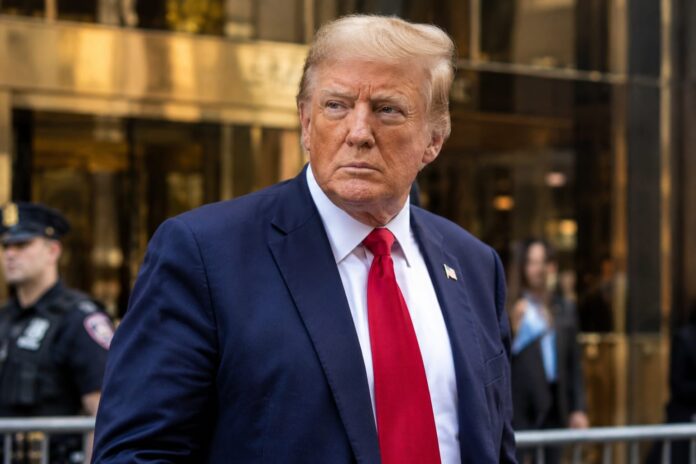
President Trump confirmed his direct involvement in directing the Justice Department to pursue this action during an appearance in Fort Myers, Florida. The administration contends that Daniel J. Sullivan decided to run with the intention of misleading supporters of Senator Sullivan into voting for him, though Daniel J. Sullivan himself indicated to reporters that he was motivated by dissatisfaction with the incumbent and a desire for change.
Associate Attorney General Stanley Woodward articulated the government’s position in the filing, emphasizing that Daniel J. Sullivan’s presence on the ballot creates a meaningful risk that supporters of Senator Sullivan will inadvertently cast votes for the wrong candidate or become confused when ranking candidates under Alaska’s ranked-choice voting system. The department highlighted that polls show the race between Senator Sullivan and Peltola running within one or two percentage points, making the threat of vote confusion particularly consequential.
- Trump administration filed lawsuit Friday to challenge Alaska Senate certification
- Daniel J. Sullivan received 2.5% of primary vote; race between incumbent and Peltola within 1-2 percentage points
- DOJ seeks court order to stop certification pending investigation into voter confusion impact
- Alaska Republican officials previously rejected removal of Daniel J. Sullivan from ballot
Why It Matters
The lawsuit represents a significant assertion of federal authority over state election administration and reflects deep concerns within the Trump administration about protecting the electoral interests of Republican incumbents. Election integrity, the administration argues, depends on ensuring that voters’ true preferences are accurately recorded and counted, particularly when similar names on a ballot could lead to unintended outcomes. The case highlights how narrowly competitive Senate races can be influenced by factors beyond the substantive policy platforms of candidates.
The outcome of Alaska’s Senate race carries implications for Republican control of the Senate. With the race showing signs of tightness, the margin of error created by potential voter confusion could prove decisive. The administration’s willingness to deploy the Justice Department in this manner demonstrates its commitment to preserving Republican Senate seats through legal intervention when election mechanics themselves may create vulnerabilities.
The filing also underscores ongoing debates about election administration and voter intention. Under Alaska’s ranked-choice voting system, voter confusion about which Dan Sullivan receives a ballot marking could result in votes being transferred to Peltola through the elimination and tabulation process, potentially changing the final outcome even if a majority of Alaskans intended to support Senator Sullivan.
- Federal intervention in state election certification represents significant assertion of executive authority
- Republican control of Senate potentially affected by outcome of closely contested Alaska race
- Ranked-choice voting system creates specific vulnerabilities to voter confusion about similarly named candidates
- Outcome establishes precedent for federal DOJ involvement in state election administration disputes
Political and Public Context
The lawsuit emerges amid broader political focus on Senate races heading toward election day. Republican incumbents nationwide face competitive challenges, and the Alaska race represents one of several battlegrounds where party control of the chamber remains uncertain. The Trump administration’s decision to marshal federal resources behind Senator Sullivan’s reelection reflects the high stakes involved in maintaining Republican Senate strength.
The case also follows a series of federal interventions in state election matters, demonstrating the administration’s willingness to use the Justice Department’s litigation resources to advance electoral objectives. Attorney General Todd Blanche had told reporters just a day prior to the lawsuit filing that it was never the administration’s intention to improperly interfere with elections, yet the Alaska action represents precisely the kind of intervention that raises questions about the appropriate scope of federal election oversight.
Election law experts and observers have characterized the legal theory underlying the lawsuit as untested and potentially problematic. The argument that voter confusion resulting from similar names justifies federal intervention in state certification processes represents novel legal terrain. Previous efforts to remove Daniel J. Sullivan from the ballot failed when the Alaska Supreme Court rejected such attempts, and Republican state officials had already taken steps to clearly distinguish Senator Sullivan’s incumbent status on the ballot.
- Alaska Senate race among several competitive contests affecting Republican Senate control
- Part of broader pattern of federal administrative involvement in state election matters
- Alaska Supreme Court previously rejected removal of Daniel J. Sullivan from ballot
- Election law experts questioned viability and precedent of voter confusion argument
On Friday, President Trump said "I’m the one that said do it" when asked about an Alaska Senate election lawsuit. https://t.co/MPv65lw6Il
— Newsweek (@Newsweek) October 24, 2026
What Happens Next
The federal court system will now consider the Justice Department’s arguments for blocking certification of Alaska’s Senate race results. The timing of the lawsuit, filed less than two weeks before election day, creates pressure for expedited judicial review. Courts must weigh whether federal intervention is appropriate and whether the voter confusion argument meets legal thresholds for blocking state election certification.
If the lawsuit succeeds, it would establish a precedent for federal involvement in state election certification disputes based on voter confusion concerns. If it fails, the administration may pursue alternative legal strategies or accept the election results as certified by state officials. The Alaska case will likely influence how future administrations view their authority to intervene in state election administration, particularly when similar names or ballot design issues create potential for voter confusion.
Election officials and voters in Alaska face uncertainty about whether the certification process will proceed normally or face federal injunction. The ranked-choice voting tabulation process itself may become subject to scrutiny depending on how the litigation unfolds and whether preliminary injunctions are issued. Public confidence in Alaska’s election administration could be affected by the outcome of this federal-state legal conflict.
- Federal court will evaluate Justice Department’s legal arguments for blocking certification
- Preliminary injunction decision expected well before election certification deadline
- Outcome will establish precedent for future federal intervention in state election disputes
- Alaska ranked-choice voting tabulation process may face additional judicial scrutiny pending litigation resolution