Story Highlights
- UN Ambassador Mike Waltz indicated the Iran conflict could persist for another year or longer, though he expressed hope for an earlier settlement
- The administration has demonstrated capacity to maintain port blockades indefinitely, demonstrating resolve in applying sustained pressure
- Energy markets have experienced significant volatility, with Brent crude oil reaching near-war highs as regional tensions escalate
- The conflict’s duration has created economic headwinds affecting inflation and energy stability across global markets
What Happened
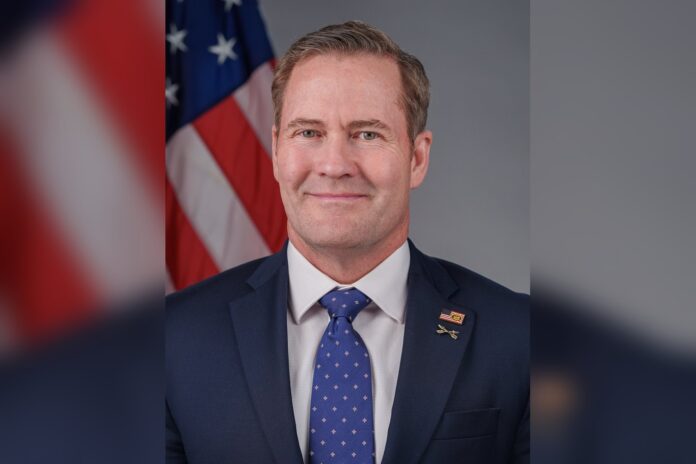
Mike Waltz, serving as ambassador to the United Nations under the Trump administration, communicated to the Financial Times that the ongoing Iran conflict may extend for another year or potentially longer. However, Waltz expressed optimism that diplomatic resolution could occur before such an extended timeline materializes. He emphasized that the president and the U.S. Navy possess the capability to maintain blockades on Iranian ports for the foreseeable future, signaling the administration’s commitment to sustained pressure on Tehran.
The conflict, now approaching its ninth month of active hostilities, has created substantial turbulence in global energy markets. Brent crude oil prices spiked to $114 per barrel on Friday, approaching their highest levels since the conflict began. This price movement followed Iranian claims of successful attacks on seven tankers in the Strait of Hormuz region, with reports indicating damage to the vessels. Meanwhile, the administration has been evaluating strategic options, with Israeli Prime Minister Benjamin Netanyahu reportedly discussing with the president the potential for devastating strikes that could trigger regime change in Iran. Iranian officials have responded by warning that additional rounds of fighting would not conclude quickly and that Tehran would expand retaliatory measures to include digital infrastructure targets.
- UN Ambassador Mike Waltz indicated conflict duration of one year or longer, with blockade capacity described as indefinite
- Brent crude oil reached $114 per barrel following tanker incidents near the Strait of Hormuz
- The conflict has now extended approximately nine months, exceeding initial projections
- Israeli-U.S. coordination discussions regarding potential intensified strikes reportedly underway
Why It Matters
The potential extension of the Iran conflict carries substantial implications for the American economy and political landscape. Energy price volatility directly impacts inflation rates and consumer purchasing power, creating economic conditions that affect household budgets and business operations nationwide. The administration’s demonstrated ability to maintain sustained pressure through port blockades represents a strategic tool for constraining Iranian economic activity and limiting resources available for regional military operations and support for proxy forces. This pressure strategy aims to create conditions favorable to eventual negotiated settlement or behavioral modification by Tehran.
The conflict’s extended timeline also carries implications for U.S. political dynamics. The administration’s initial assessment suggested a much shorter conflict duration, and the reality of sustained hostilities creates a different political environment than early projections anticipated. Nevertheless, the White House’s commitment to maintaining pressure demonstrates resolve in addressing what it views as fundamental security threats emanating from Iran’s regional activities and nuclear ambitions. The energy market impacts require careful management to prevent sustained inflation that could affect consumer confidence and economic growth.
- Extended conflict duration increases inflationary pressures through elevated energy prices affecting consumer and business expenses
- Administration’s sustained blockade strategy maintains leverage for potential diplomatic resolution or policy changes by Iranian leadership
- Energy market stability directly affects global economic conditions and U.S. strategic interests in the region
- Political environment requires balancing security objectives with economic and domestic political considerations
Political and Public Context
The Iran conflict represents a significant focus of the Trump administration’s foreign policy strategy, reflecting broader concerns about Iranian regional influence, nuclear capabilities, and support for hostile actors throughout the Middle East. The decision to pursue sustained pressure through blockades and potential military coordination with Israel represents a departure from previous approaches, emphasizing strength and deterrence as primary mechanisms for achieving policy objectives. The administration’s willingness to maintain extended pressure indicates confidence in the sustainability of these measures and their ultimate effectiveness in advancing U.S. strategic interests.
Regional dynamics have evolved considerably since the conflict’s initiation on February 28. Oil production data indicates that Middle East flows through the Persian Gulf and alternative routes have increased to approximately 24 million barrels per day, slightly exceeding prewar levels of 23.3 million barrels per day. This roughly 700,000 barrel daily increase demonstrates some capacity to maintain energy flows despite the ongoing conflict, though market prices remain elevated due to geopolitical risk premiums and supply uncertainty concerns. The administration has highlighted these developments as evidence that energy markets can withstand the conflict, though price volatility continues to present challenges.
- Iran conflict began February 28, marking approximately nine months of active hostilities
- Prewar oil production levels of 23.3 million barrels per day compared to current levels of 24 million barrels per day
- U.S. policy emphasizes sustained pressure through blockades as mechanism for achieving strategic objectives
- Israeli-U.S. coordination discussions reportedly focus on potential regime change scenarios
As Trump Threatens New Strikes, U.S. Ambassador Says Iran War Could Last Another Year https://t.co/kQIN3vK7Mz
— Democracy Now! (@democracynow) October 23, 2026
What Happens Next
The trajectory of the Iran conflict remains contingent on multiple variables including Iranian response patterns, energy market developments, and diplomatic initiatives that may emerge. The administration’s stated capacity to maintain blockades indefinitely suggests that the U.S. commitment to pressure remains firm, creating conditions where Iranian leadership faces sustained economic constraints. Whether Tehran chooses to pursue diplomatic channels or respond through escalated regional activities will significantly influence the conflict’s ultimate duration and intensity. The coming months will likely prove critical in determining whether diplomatic progress occurs or whether military escalation becomes more pronounced.
Energy markets will continue to respond to developments in the conflict zone, with particular attention to tanker movements through the Strait of Hormuz and any expansion of hostile actions by either side. The administration’s focus on maintaining oil flows while sustaining pressure on Iran reflects an attempt to balance strategic objectives with economic considerations. Diplomatic channels, though not currently prominent in public discussions, may develop over time as parties evaluate the sustainability of current conditions. The potential for expanded Israeli strikes, as suggested by Netanyahu’s discussions with the president, could represent a significant escalation point that reshapes the conflict’s near-term trajectory.
- Administration capability to maintain indefinite blockade pressure creates baseline scenario for continued conflict
- Iranian decision-making regarding diplomatic engagement versus escalation will substantially influence near-term conflict trajectory
- Energy market pricing will remain sensitive to tanker incidents and potential expansion of hostile activities
- Potential Israeli-coordinated strikes could represent significant escalation point affecting conflict duration and regional stability