Story Highlights
- Nebraska ranchers face mounting expenses from wildfires, fuel costs, and tariffs affecting steel and machinery prices
- The administration’s foreign beef import policy has created market volatility during critical cattle selling seasons
- Despite frustrations, ranchers remain politically aligned with Trump while seeking targeted government relief
- Recent fuel cost assistance programs signal White House commitment to agricultural sector support
What Happened
Agricultural producers across Nebraska and beyond are experiencing unprecedented financial pressures stemming from multiple converging challenges. Natural disasters, global supply chain disruptions, and policy decisions have created a perfect storm affecting livestock operations of all sizes. Ranchers report that their already-thin margins have been squeezed further by circumstances both within and outside their control, forcing difficult decisions about herd management and operational sustainability.
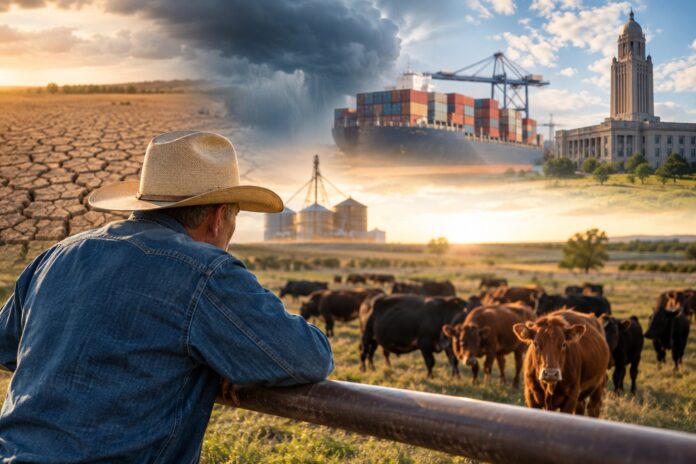
One Nebraska rancher’s situation exemplifies the broader challenges facing the industry. In April, a destructive wildfire consumed 1,600 grazing acres and damaged 13 miles of fencing on the property. The recovery costs proved substantial, with steel prices reaching levels not seen in years, driving fencing replacement costs to $4.89 per foot for a total exceeding $300,000. Simultaneously, diesel prices spiked more than 40 percent year-over-year due to global tensions, making daily hay delivery operations prohibitively expensive. These challenges intensified when the administration announced plans to import 300,000 metric tons of duty-free foreign beef, a decision that arrived just before the critical September-November cattle weaning and sales window.
- Wildfire destroyed 1,600 acres and 13 miles of fencing in April
- Steel prices at highest levels in years due to tariffs, raising fencing costs to $300,000-plus
- Diesel prices up 40 percent year-over-year; foreign beef imports announced in August
- Critical cattle selling season runs September through November
Why It Matters
The agricultural sector represents a cornerstone of American economic vitality and food security, with Nebraska serving as a national hub for cattle production. The financial pressure on ranchers has immediate ripple effects throughout rural communities, affecting equipment dealers, feed suppliers, veterinary services, and local economies dependent on agricultural spending. When producers lose hundreds of dollars per head of cattle, the consequences extend beyond individual operations to broader employment and community stability across farm country.
The current situation reveals important dynamics within conservative heartland politics. Nebraska overwhelming supported Trump in recent elections, yet some producers are reassessing their political calculations amid these economic headwinds. The emergence of competitive independent candidates in traditionally Republican strongholds indicates that even loyal constituencies expect tangible policy relief when facing genuine hardship. However, the administration’s recent announcements of fuel cost assistance programs demonstrate responsiveness to agricultural concerns and commitment to supporting producers through difficult periods. This ongoing dialogue between the White House and farming communities reflects the administration’s recognition that rural America’s prosperity directly impacts national economic health and political support.
- Nebraska cattle industry faces losses of hundreds of dollars per head
- Rural communities dependent on agricultural spending experience economic ripple effects
- Some voters reconsidering political alignments despite historical Republican support
- Government relief programs signal administration commitment to agricultural sector stability
Political and Public Context
The pressures facing ranchers exist within a broader context of agricultural volatility and changing global dynamics. Drought conditions have already reduced cattle herds to historically low levels, creating supply constraints that should theoretically benefit producers through higher prices. Instead, multiple policy and market factors have overwhelmed these natural advantages. Tariff policies designed to protect domestic industries have increased costs for steel, machinery, and repairs throughout agricultural operations. Meanwhile, border and trade decisions have introduced foreign competition at precisely the wrong moment in market cycles.
The political response from Republican leadership has been swift and substantive. Governor Jim Pillen and the White House have both announced relief initiatives targeting fuel costs for farmers and ranchers, demonstrating awareness of constituency concerns. These interventions reflect understanding that agricultural support remains central to Republican political strength in rural states. The competitive emergence of independent candidates in Senate races underscores that farmers and ranchers, while fundamentally aligned with conservative principles, expect governing officials to deliver measurable assistance during periods of genuine hardship. The administration’s fuel cost relief programs represent concrete efforts to address specific pain points identified by producers across the region.
- Historically low cattle herds and drought conditions predate current price pressures
- Tariff policies increase costs for steel, machinery, and equipment repairs
- Border and trade decisions introduce foreign competition during vulnerable market windows
- Fuel cost assistance programs announced by White House and Nebraska Governor
The majority of working people agree: shit’s too expensive, and the Trump administration and their allies in Congress have no plan to help.
We need elected leaders who will fight for workers, not billionaires and CEOs.https://t.co/Zx2uh0VTiM
— AFL-CIO ✊ (@AFLCIO) October 13, 2026
What Happens Next
The trajectory of agricultural support remains a critical focal point for administration policymakers and rural communities alike. As cattle selling seasons progress through the critical fall months, market impacts from foreign beef imports will become increasingly clear. Producers will be closely monitoring whether the volume and timing of imports create lasting market disruption or represent a manageable adjustment. Simultaneously, the effectiveness of fuel cost assistance programs in offsetting diesel price spikes will determine whether ranchers experience meaningful relief or whether additional targeted support becomes necessary.
Future policy decisions regarding trade agreements, tariff structures, and border management will significantly influence rancher profitability and stability. The White House faces the challenge of balancing broader economic policy objectives with the specific needs of agricultural constituencies who view these decisions through the lens of operational survival. The political dynamics unfolding in Nebraska and similar agricultural states will likely influence how the administration calibrates its rural support programs and policy announcements heading into the next election cycle. Ranchers have demonstrated willingness to support the administration’s broader vision for America, but they expect reciprocal commitment to policies and programs that protect their livelihoods and ensure the sustainability of family agricultural operations.
- Fall cattle selling season will reveal full market impact of foreign beef imports
- Fuel cost relief effectiveness will determine need for additional assistance programs
- Future tariff and trade policy decisions will directly affect agricultural profitability
- Rural political dynamics will likely influence administration policy calibration on agricultural support