Story Highlights
• The Pentagon ordered about 1,500 active‑duty troops to prepare for possible deployment to Minnesota.
• The move follows protests and unrest linked to immigration enforcement actions.
• Officials say the order is precautionary and no deployment has yet been authorized.
What Happened
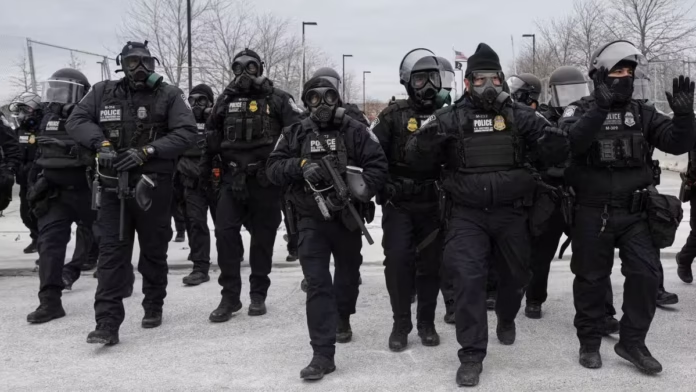
The U.S. Department of Defense said it has placed roughly 1,500 active‑duty service members on standby for possible deployment to Minnesota, following protests and unrest tied to recent immigration enforcement operations. According to Pentagon officials, the troops have not been deployed but were instructed to prepare in case state or federal authorities request additional support.
Defense officials emphasized that the order is precautionary and intended to ensure readiness should conditions deteriorate. The Pentagon said any deployment would occur only if formally requested by civil authorities and approved through established legal processes. Minnesota state officials have not yet indicated that they have sought military assistance.
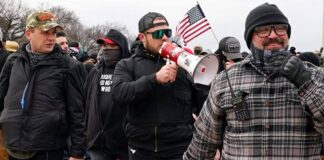
The unrest has drawn national attention as demonstrations have intensified in parts of the state, prompting concerns about public safety, infrastructure protection, and the capacity of local law enforcement to manage prolonged disturbances.
Why It Matters
The use of active‑duty troops in response to domestic unrest is rare and politically sensitive. While the National Guard is more commonly deployed in such situations, placing federal troops on standby signals heightened concern at the federal level about the potential scale or duration of unrest.
For communities, the prospect of military involvement raises questions about civil‑military boundaries and the balance between maintaining order and protecting civil liberties. For markets and businesses, prolonged unrest can disrupt transportation, commerce, and local economic activity.
Political and Geopolitical Implications
Domestically, the move underscores the Trump administration’s emphasis on law and order in the context of immigration enforcement. Supporters argue that federal readiness deters escalation and protects public safety, while critics warn against the normalization of military involvement in civilian affairs.
Internationally, U.S. handling of domestic unrest is closely watched by allies and adversaries alike. Large‑scale deployments or confrontations can influence perceptions of internal stability and governance, particularly at a time when global attention is focused on political polarization and social unrest in major democracies.
Implications
If protests subside, the standby order may remain purely precautionary. However, if unrest intensifies or spreads, federal authorities could face pressure to authorize broader security measures. How the situation evolves will shape debates over the federal government’s role in responding to domestic unrest and the limits of military involvement in civilian settings.
Sources
Pentagon orders troops on standby for possible Minnesota deployment — Reuters