Story Highlights
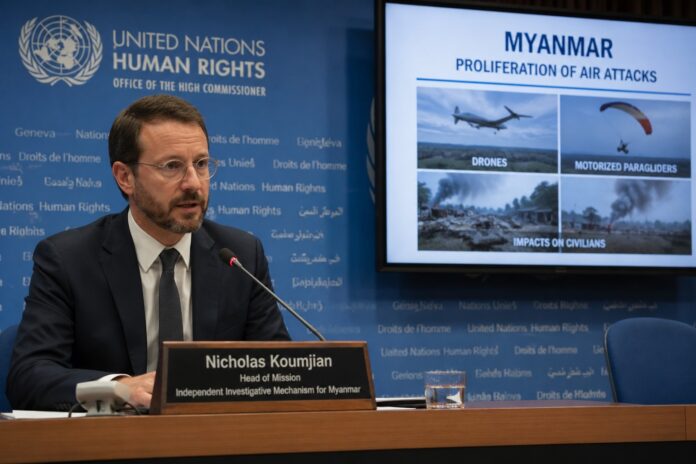
- United Nations investigators documented a rise in Myanmar military attacks on civilians using drones and motorized paragliders
- The escalation in airborne attacks occurred alongside military-conducted elections designed to legitimize the regime
- A UN-established investigative mechanism released findings showing sustained increases in civilian targeting since July of the previous year
- The military’s use of low-cost aircraft reflects an expanding campaign against civilian populations during a period of attempted political normalization
What Happened
The United Nations-established Independent Investigative Mechanism for Myanmar released a report documenting a troubling trend of military attacks against civilian populations. According to the findings, Myanmar’s armed forces have increasingly deployed drones, motorized paragliders, and other low-cost aircraft to conduct operations targeting non-combatants. The investigative mechanism reported that these attacks have continued to escalate from July of the previous year, with particularly notable increases occurring in the months preceding military-conducted elections.
The timing of the increased airborne campaign coincided with significant political developments in the country. Military leadership conducted elections in December and January, which the UN report indicates were part of efforts to project governmental stability and establish legitimacy for the regime’s rule. The electoral process resulted in elevation of military leadership to formal political positions, including installation of a military-affiliated figure to the presidency in April following the 2021 military seizure of power.
- UN Independent Investigative Mechanism for Myanmar released the report on the escalation
- Military attacks began rising notably from July of the previous year through the election period
- Elections held in December and January preceded the most significant escalation in civilian targeting
- Military leadership sought to establish political legitimacy through the electoral process while intensifying airborne operations
Why It Matters
The documented escalation of civilian attacks carries significant humanitarian implications for Myanmar’s population. The use of drones and motorized paragliders represents an expansion of military capability to target dispersed civilian populations across the country, particularly in areas where ground operations may face resistance. These low-cost aircraft allow the military to conduct sustained operations with minimal logistical constraints, enabling persistent pressure on civilian communities. The UN findings suggest a pattern where military expansion of civilian targeting has accompanied rather than preceded political normalization efforts, raising concerns about the trajectory of civilian safety as the regime consolidates control.
The contradiction between efforts to legitimize rule through elections and simultaneous escalation of civilian attacks undermines international perceptions of governmental stability and democratic intent. Nations considering diplomatic engagement or economic cooperation with Myanmar must now weigh documented patterns of civilian harm against official claims of governmental responsibility and reform. The Independent Investigative Mechanism’s documentation creates an institutional record of military conduct that may inform future accountability discussions and influence international policy responses toward the country.
- Civilian populations face expanded military targeting capability through proliferation of drone and paraglider operations
- Humanitarian organizations face increased challenges in delivering aid to affected civilian populations
- International community confronts contradiction between military claims of legitimacy and documented patterns of civilian harm
- Future accountability mechanisms gain documented evidence of sustained military operations against non-combatants
Political and Public Context
Myanmar’s trajectory since the 2021 military seizure of power has been marked by sustained internal conflict and international scrutiny. The 2021 coup represented a breakdown of the transitional democratic arrangement that had governed the country since 2011, returning full military control to a nation that had experienced a decade of partial civilian governance. Since the coup, the country has experienced armed resistance from various opposition groups and ethnic organizations that have challenged military authority across multiple regions.
The military’s decision to conduct elections in December and January represented an attempt to transition from direct military rule to a formally civilian-oriented governmental structure while maintaining military control through affiliated political parties and leadership positions. This electoral legitimation strategy has been employed by various military regimes internationally as a means of satisfying international demands for democratic processes while preserving substantive power concentration. The UN’s documentation of concurrent escalation in civilian targeting suggests that military leadership pursued political legitimacy through formal democratic procedures while simultaneously intensifying military operations against civilian populations.
- Myanmar experienced military seizure of power in 2021 following decade of partial civilian governance
- Multiple armed opposition groups and ethnic organizations have conducted resistance operations since the coup
- Military leadership has employed elected governmental structures as mechanism for legitimizing military rule
- International community has maintained scrutiny of military conduct and governance patterns since 2021
Myanmar escalates civilian attacks with drones and paragliders, UN reports
The UN has reported that Myanmar's military is increasingly using drones and paragliders to attack civilians. These tactics represent a significant escalation in the ongoing conflict within the country.…
— PiQ (@PiQMarkets) August 12, 2026
What Happens Next
The UN investigative mechanism’s findings will likely inform ongoing discussions within international bodies regarding Myanmar’s governance and military conduct. The documented escalation of civilian attacks may influence decisions by governments and international organizations regarding recognition, sanctions, and engagement with the regime. Additional investigative reports from the UN mechanism and other international bodies can be anticipated as documentation of military operations continues.
The trajectory of civilian safety in Myanmar remains uncertain, dependent on multiple factors including the effectiveness of resistance movements, international response mechanisms, and decisions by regional actors regarding engagement or isolation of the military regime. The documented pattern of escalating civilian targeting during a period of attempted political legitimation suggests potential for continued expansion of military operations. Humanitarian organizations will face ongoing challenges in accessing affected populations and documenting harm, while international attention to civilian casualties may increase or diminish depending on broader geopolitical developments and media coverage patterns.
- UN investigative mechanism expected to continue documenting military conduct and civilian harm patterns
- International governments and organizations will assess implications for diplomatic engagement and sanctions policies
- Humanitarian organizations will pursue access to civilian populations affected by military operations
- Regional actors will determine engagement strategies with military leadership based on documented conduct