Story Highlights
- Iran allowed American citizen Dena Karari to leave the country after authorities had prevented her departure since December 2024.
- The president praised the decision as a gesture of goodwill while American and Iranian forces continued exchanging strikes.
- Karari’s attorney credited sustained diplomatic efforts and assistance from advocates working to secure Americans held overseas.
- The release creates a limited humanitarian opening but does not by itself signal an end to the wider military conflict.
What Happened
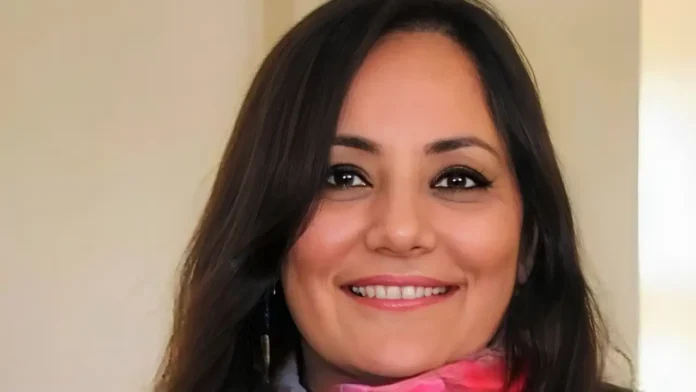
Iran allowed Dena Karari, a 53-year-old California resident and dual U.S.-Iranian citizen, to leave the country after preventing her departure for approximately 18 months.
Karari traveled to Shiraz in December 2024 to visit relatives. Iranian authorities confiscated her passports and questioned her repeatedly, leaving her unable to return to the United States.
Her attorney, Jared Genser, confirmed that she had safely left Iran and was traveling back to America.
- Karari worked for an American technology company.
- She also operated a charity supporting disadvantaged children in Iran.
- Authorities reportedly questioned her about espionage and cooperation with a hostile government.
- Her legal team rejected those allegations as fabricated.
Available reporting indicates that she was subjected to an exit ban and repeated interrogations but was not formally imprisoned or prosecuted.
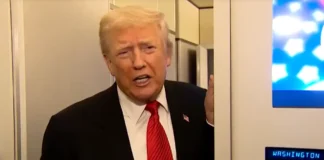
The president announced her release through social media, saying she was safely outside Iran and in good condition.
He thanked Tehran for the humanitarian decision despite the continuing conflict between the two governments.
Why It Matters
The release demonstrates that limited diplomacy remains possible even while military operations continue.
Washington and Tehran are exchanging attacks across the region, but officials and private advocates were still able to resolve an individual humanitarian case.
For the administration, securing Karari’s departure provides a tangible diplomatic achievement during an otherwise dangerous period in the relationship.
- An American citizen has been reunited with her family.
- The outcome shows that private and official diplomatic channels remain active.
- The decision could create momentum for discussions involving other Americans.
- It gives Tehran an opportunity to signal limited interest in de-escalation.
Iran has frequently been accused of restricting foreign and dual nationals from leaving the country during political disputes.
Human-rights advocates argue that such cases place civilians at the center of conflicts between governments and can turn personal freedom into diplomatic leverage.
Karari’s release does not resolve that wider problem, but it demonstrates that sustained advocacy can produce results even under extreme conditions.
Political and Public Context
The announcement arrived as American forces continued striking Iranian military targets connected to attacks on commercial shipping in the Strait of Hormuz.
Tehran has responded with missile and drone attacks targeting American installations and regional partners.
The decision to release an American citizen during active hostilities therefore stands out as an unusual moment of cooperation.
- The military campaign has continued despite the humanitarian breakthrough.
- Iran has not publicly explained why Karari was permitted to leave.
- The White House described the action as goodwill rather than part of a formal agreement.
- No broader detainee exchange or renewed ceasefire was announced.
Genser thanked the administration and others who worked publicly and privately on the case.
Advocates associated with the James W. Foley Legacy Foundation were also credited with supporting the effort to secure her freedom.
The result strengthens the White House’s argument that firm pressure against an adversarial government can coexist with focused negotiations to protect American citizens.
However, it remains unclear whether Tehran expects any concession in return or intended the release merely as an isolated humanitarian gesture.
What Happens Next
Karari is expected to return to the United States and reunite with her family.
Officials and hostage advocates will likely examine whether the circumstances of her release can help secure freedom for other Americans facing detention or travel restrictions in Iran.
The administration may also seek assurances that Tehran will not retaliate against dual nationals as the military conflict continues.
- Advocates will press for information about other Americans believed to be held in Iran.
- Diplomats may explore whether additional humanitarian releases are possible.
- Families will seek stronger warnings and protections for dual nationals traveling to Iran.
- Washington will watch for evidence that the gesture leads to broader negotiations.
The release should not be treated as proof that the conflict is nearing an end.
American strikes, Iranian retaliation, and disagreements over the Strait of Hormuz remain unresolved.
Still, bringing an American safely home represents a meaningful success and shows that diplomatic communication has not completely collapsed.