Story Highlights
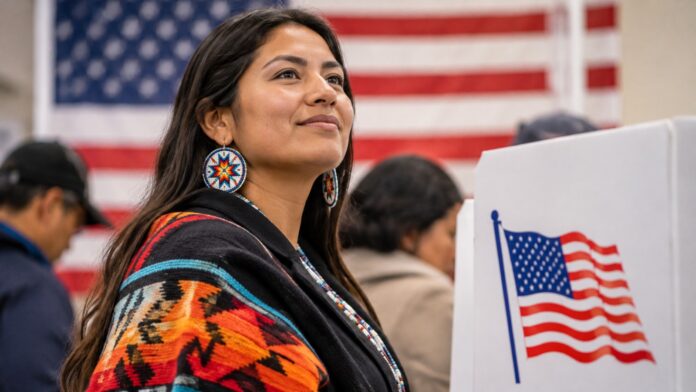
- Voters elected at least 75 Native American women, non-binary, and Two Spirit candidates in the midterm elections
- The elections produced the first Native American woman governor, senator, and tribal nation leaders
- Notable winners include leaders from Laguna Pueblo, Ojibwe, Navajo, and Seneca communities
- A record 363 Indigenous candidates ran for office across local, state, and federal levels
What Happened
The midterm elections marked a watershed moment for Native American political representation, with voters selecting multiple historic firsts across federal, state, and tribal offices. The gains reflect sustained momentum for Indigenous political participation following groundbreaking elections in 2018 that saw the first Native American women elected to Congress.
Among the most significant outcomes, voters elected the first Native American woman to serve as a state governor, the first to represent a state in the U.S. Senate, and the first women to lead two major tribal nations. These victories demonstrate expanding support for Indigenous candidates seeking positions of authority at multiple levels of governance, from Washington to tribal headquarters.
- At least 75 Native women, non-binary, and Two Spirit candidates won election nationwide
- Record 363 Indigenous candidates ran for office across all election levels
- First Native American woman elected as state governor and U.S. senator
- First women elected to lead the Navajo Nation and Seneca Nation in their modern histories
Why It Matters
These electoral outcomes represent a significant shift in Native American political power and representation. For decades, Indigenous communities faced systemic barriers to political participation and leadership. Native Americans did not gain the right to vote nationwide until the 1960s, creating a compressed timeline for building political infrastructure and representation compared to other demographic groups. The current wave of Native American women in elected office signals not only demographic change but also evolving community priorities and increased mobilization within Indigenous constituencies.
The presence of Native American women in high-profile positions carries symbolic and practical importance. Historical precedents, such as Wilma Mankiller’s 1985 election as principal chief of the Cherokee Nation, demonstrated the possibility of Native women in leadership. More recent examples from 2018, when two Native American women were first elected to Congress, created visible role models that influenced subsequent candidates’ decisions to seek office. The expansion of Native representation affects policy priorities including tribal sovereignty, natural resource management, healthcare access in Indigenous communities, and federal Indian policy.
- Native Americans historically excluded from full voting rights until 1960s, creating delayed political development
- Women leaders now shape policy on tribal sovereignty, natural resources, and Indigenous healthcare
- Visible role models encourage younger Native Americans to pursue political careers
- Expanded representation amplifies Indigenous community voices in legislative and executive decisions
Political and Public Context
The 2024 midterms occurred within a broader context of increasing diversity in American elected offices. Voters have elected several historic firsts in recent cycles, including the country’s first Muslim senator and first Black female governor, demonstrating a shifting electorate willing to support candidates from underrepresented backgrounds. Native American political gains, however, follow a particularly extended timeline of exclusion compared to other minority groups.
The 2018 election cycle established a template for Native American political success, with two women from the Ho-Chunk and Laguna Pueblo nations winning election to the House of Representatives. One of those candidates later served in a cabinet position under the Biden administration before pursuing higher elected office. These earlier victories created a political infrastructure and demonstrated viability for Indigenous candidates, encouraging record participation in 2024. The expansion reflects decades of grassroots organizing within tribal communities and sustained investment in Indigenous political leadership development.
- 2018 marked first Native American women elected to Congress in U.S. history
- Native American cabinet secretary appointed in 2020, elevating Indigenous representation nationally
- First Republican Native woman elected to Congress in 2020, showing bipartisan Indigenous political growth
- Broader trend of increased diversity in American elected offices across 2018-2024 period
‘Seismic shift’: Native American women made significant gains in US midterms #TheGuardian https://t.co/QJ650aYUoL
— #TuckFrump (@realTuckFrumper) November 8, 2026
What Happens Next
The newly elected Native American women leaders will assume office in the coming months, bringing Indigenous perspectives to governance at state and federal levels. Their presence in legislative bodies and executive positions will influence policy discussions regarding tribal sovereignty, environmental protection, healthcare equity, and economic development in Indigenous communities. Observers note that the momentum generated by this election cycle may sustain interest in Native political candidacy for future election cycles.
The significance of these victories extends beyond individual officeholders to broader questions about sustained political engagement within Native communities. Continued organizing, candidate recruitment, and voter mobilization will determine whether current gains represent a one-time surge or the beginning of sustained political power consolidation. Additionally, the outcomes may influence how national parties prioritize outreach to Indigenous voters and communities in future election cycles.
- Newly elected officials assume office and participate in legislative and executive decision-making
- Indigenous policy priorities, including tribal sovereignty and environmental issues, gain direct representation
- Potential sustained momentum for Native American political candidacy in future elections
- National political parties may increase investment in Indigenous community outreach and engagement