Story Highlights
California drops its lawsuit challenging Trump’s decision to pull billions in federal rail funding
The move underscores Trump’s cost-cutting stance on large infrastructure projects
State leaders pivot toward private financing and revised project timelines
What Happened
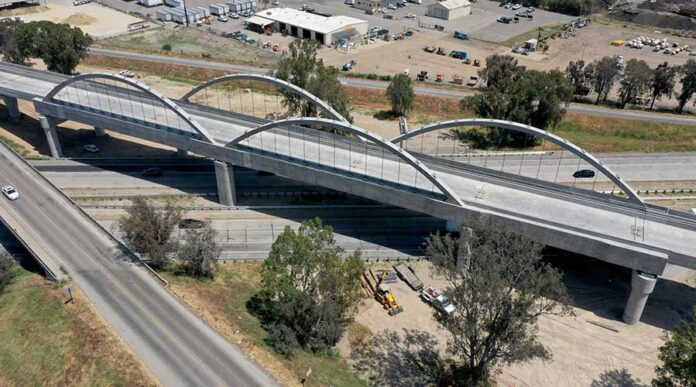
California officials confirmed they are withdrawing their lawsuit over the federal government’s decision—under President Donald Trump—to cancel more than $4 billion in funding for the state’s long-troubled high-speed rail project. The case had sought to reverse the funding pullback, arguing the project still met federal benchmarks. Instead, state leaders now say they will reassess financing options and construction priorities without relying on Washington.
Trump’s administration had long criticized the rail project as over budget, behind schedule, and misaligned with original goals. Federal transportation officials argued that taxpayer dollars should not continue flowing into a project with escalating costs and uncertain completion timelines. By ending the legal challenge, California tacitly acknowledges the uphill battle of justifying continued federal involvement.
Why It Matters
The decision reinforces a central Trump theme: fiscal accountability in federal infrastructure spending. Supporters argue the move protects taxpayers from open-ended commitments and forces states to take ownership of ambitious projects. The high-speed rail line, first pitched as a transformative transit solution, has faced years of delays and ballooning estimates—fueling skepticism even beyond partisan lines.
For Trump, the episode fits a broader governing philosophy that prioritizes measurable outcomes over aspirational planning. The administration’s stance signals to states that federal backing is not guaranteed simply because a project is politically popular or environmentally framed. Accountability, cost control, and timelines matter.
Political & Policy Implications
Politically, the withdrawal helps Trump reassert leverage over infrastructure negotiations. It sets a precedent that large projects must meet strict benchmarks or risk losing federal support. For Democrats in California, the shift could reopen internal debates about scaling back or restructuring the rail system to make it more viable without Washington.
Nationally, the case could influence how future infrastructure proposals are designed—placing greater emphasis on phased delivery, private-sector participation, and clearer cost controls. It also sharpens contrasts between Trump’s spending priorities and those of state governments seeking expansive public works.
Implications
If California successfully restructures the project with private capital, it may validate Trump’s push for market-driven solutions. If not, the rail saga could become a cautionary tale cited in future federal funding debates—strengthening the argument that ambition without discipline carries real financial consequences.
Sources