Story Highlights
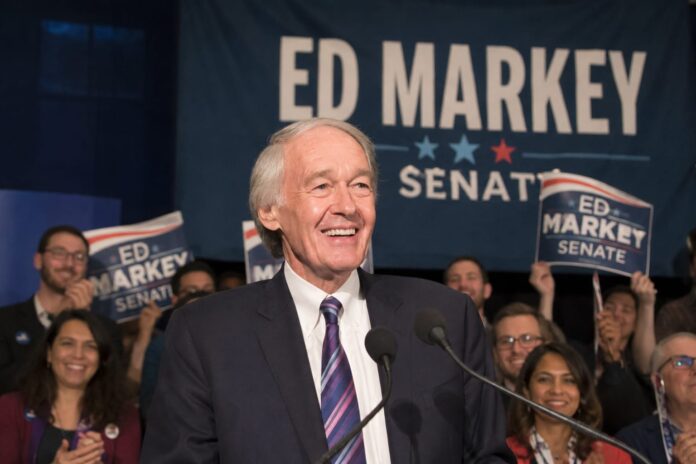
- Senator Ed Markey secured a decisive victory over Congressman Seth Moulton in the Massachusetts Democratic primary.
- The results reflect a preference for experienced incumbents within the Democratic Party, despite calls for generational change.
- Markey’s progressive platform garnered significant support from key party figures.
- The outcome may influence future primary races across the nation.
What Happened
In a surprising turn of events during the Massachusetts Democratic primary, Senator Ed Markey triumphed over Congressman Seth Moulton, marking a significant moment in the ongoing debate about generational change within the Democratic Party. Markey, who has served in Congress for five decades, showcased his political experience and progressive credentials, ultimately winning by a substantial margin. With approximately 71 percent of the vote counted, Markey led Moulton by nearly 30 percentage points, a clear indication of voter preference for established leadership.
The primary race was characterized by contrasting visions for the future of the Democratic Party. Moulton, a 47-year-old congressman with six terms under his belt, campaigned on the need for a new generation of leadership. However, his moderate stance did not resonate with voters as strongly as Markey’s progressive platform, which included support for initiatives like the Green New Deal and Medicare for All. This election cycle has seen a trend of older Democratic incumbents facing challenges from younger candidates, but Markey’s victory defied that narrative.
- Markey received endorsements from prominent progressive figures, including Senators Elizabeth Warren and Bernie Sanders.
- Moulton’s campaign focused on the need for fresh perspectives in Congress.
- The primary took place on a Tuesday, with results reported around 11:15 p.m. EDT.
- Markey previously defeated Joe Kennedy III in a notable primary in 2020.
Why It Matters
The outcome of this primary is significant for several reasons. Firstly, it underscores the Democratic Party’s current inclination towards experienced incumbents, particularly in a political landscape that often favors youth and new ideas. Markey’s victory suggests that voters may prioritize proven track records and established relationships over the allure of generational change. This could have implications for future elections, as younger candidates may find it increasingly challenging to unseat seasoned politicians.
Moreover, Markey’s win reinforces the importance of progressive policies within the Democratic Party. His strong support from influential party members indicates a solidified base for progressive initiatives, which may shape the party’s platform moving forward. The results also highlight the potential for a divide within the party, as moderate candidates like Moulton struggle to gain traction against more progressive incumbents.
- Markey’s victory may embolden other incumbents facing challenges from younger candidates.
- The results could influence the Democratic Party’s approach to future primaries and candidate selection.
- Progressive policies may gain more prominence in the party’s agenda following this election.
- Moderate candidates may need to reevaluate their strategies in light of this outcome.
Political and Public Context
This primary race did not occur in isolation; it is part of a broader narrative within the Democratic Party regarding age, experience, and the desire for change. In recent years, there has been a growing discourse around the need for younger voices in leadership positions, particularly as issues like climate change and technology continue to evolve rapidly. However, Markey’s success suggests that voters may still value experience and established political acumen over the push for a new generation.
Additionally, the Massachusetts primary results mirror trends seen in other states, where moderate Democrats have successfully fended off challenges from younger, more progressive candidates. This pattern raises questions about the future of the party and whether it can effectively balance the desires of its diverse voter base. As the Democratic Party navigates these complexities, the outcomes of primaries like Markey’s will be closely watched for indications of the party’s direction.
- Other moderate Democrats in Massachusetts also won their primaries, indicating a potential trend.
- The debate over age and leadership within the Democratic Party continues to be a hot topic.
- Markey’s previous victory over Joe Kennedy III set a precedent for incumbents in Massachusetts.
- Polling data leading up to the primary indicated Markey’s strong position among voters.
Incumbent Ed Markey, 80, defeats Seth Moulton, 47, in Massachusetts Democratic Senate primary https://t.co/KKIQpwkhBL pic.twitter.com/OIePlyT27w
— New York Post (@nypost) September 2, 2026
What Happens Next
Looking ahead, the implications of Markey’s victory will likely resonate beyond Massachusetts. As the Democratic Party prepares for the upcoming general election, the focus will shift to how candidates position themselves in relation to the party’s evolving identity. Markey’s win may encourage other incumbents to adopt more progressive platforms, while moderates may need to reassess their strategies to remain competitive.
Furthermore, the results of this primary could influence candidate recruitment efforts for future elections. The Democratic Party may seek to identify candidates who can effectively bridge the gap between progressive and moderate factions, ensuring a unified front as they approach the general election. The ongoing discussions about generational change will continue to shape the political landscape, and how the party responds to these dynamics will be crucial in determining its success.
- Incumbents may feel more secure in their positions following Markey’s win.
- Future primaries will likely see candidates aligning more closely with progressive policies.
- The Democratic Party may focus on candidate recruitment that balances experience and new perspectives.
- Ongoing debates about age and leadership will continue to influence voter sentiment.