Story Highlights
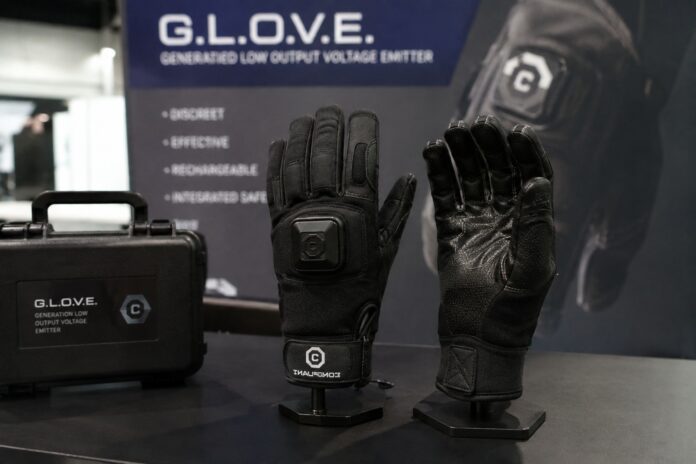
- The Department of Homeland Security announced plans to equip ICE agents with G.L.O.V.E. devices, electric shock gloves designed to compel compliance during enforcement operations
- The no-bid contract with Kentucky-based Compliant Technologies carries a price tag between $10 million and $20 million
- Civil rights organizations including the ACLU have raised concerns about accountability and the potential for misuse given documented patterns of force in immigration enforcement
- Previous ACLU research found nearly one-third of ICE operations involved force or threats of force, with minimal disciplinary consequences
What Happened
The Department of Homeland Security announced its intention to procure electric shock gloves, formally designated as G.L.O.V.E. devices standing for Generated Low Output Voltage Emitter, for distribution to Immigration and Customs Enforcement agents. The manufacturer, Compliant Technologies based in Lexington, Kentucky, designed the gloves to function as standard patrol equipment until an operator activates an electrical mode that delivers a painful shock upon skin contact. The company indicates the shock typically produces compliance within three seconds and claims to leave no permanent marks or scarring.
The proposed procurement represents a significant expansion of tools available to immigration enforcement personnel during an intensified period of deportation operations. The no-bid contract structure and budget allocation of $10 million to $20 million reflect the administration’s commitment to enhancing enforcement capabilities. Several law enforcement agencies, including police departments and correctional facilities in Nebraska and Alabama, have already deployed similar devices in their operations.
- G.L.O.V.E. devices deliver electric shocks activated by a concealed button mechanism
- Compliant Technologies contract valued between $10 million and $20 million awarded on no-bid basis
- Manufacturer recommends limiting use to no more than two gloves per subject
- Devices already in use by select police and jail facilities across the country
Why It Matters
The introduction of electric shock technology into immigration enforcement operations reflects the administration’s comprehensive approach to strengthening enforcement mechanisms and improving officer safety during high-risk encounters. Proponents of enhanced compliance tools argue that non-lethal shock devices provide officers with intermediate options that can prevent escalation to more severe force scenarios. The technology theoretically allows agents to de-escalate volatile situations quickly without resorting to physical restraint techniques that carry greater injury risk.
However, the deployment raises substantial questions regarding oversight and appropriate use protocols. Civil rights advocates express concern that the button-activated mechanism allows for covert application, potentially limiting visibility and accountability. The American Civil Liberties Union’s deputy project director on policing matters emphasized that immigration enforcement personnel demonstrated patterns of rapid force deployment in prior operations, suggesting additional tools could amplify rather than ameliorate excessive force incidents. An ACLU analysis of more than 1,200 immigration enforcement operations identified nearly one-third involved force or force threats, with over 400 documented instances of agents pushing, tackling, or pinning individuals to the ground.
- Enhanced officer safety through faster compliance achievement reduces physical confrontation duration
- Accountability concerns due to concealed activation mechanism limiting witness observation
- Prior ACLU study documented nearly 400 instances of physical force in immigration operations
- Civil rights organizations warn minimal disciplinary consequences create risk of misuse without oversight
Political and Public Context
The initiative exists within the broader framework of the Trump administration’s immigration enforcement priorities, which emphasize aggressive deportation operations and enhanced officer capabilities. The executive branch has pursued expanded law enforcement tools and resources as central to its immigration policy objectives. This particular procurement decision aligns with the administration’s philosophy of providing federal agents with modern technology to improve operational effectiveness and personnel safety.
The deployment also reflects ongoing national debates regarding police and federal enforcement practices. While law enforcement organizations generally support expanded tool availability for officer protection, civil liberties advocates continue challenging force deployment policies across federal, state, and local agencies. Democratic representatives in Congress have tracked complaints of excessive force, noting that of 56 allegations against ICE officers during the current administration, 32 were cleared and only one resulted in disciplinary action referral. This prosecutorial record informs concerns about whether additional shock technology will receive meaningful oversight or restraint in application.
- Procurement aligns with administration’s stated mass-deportation enforcement strategy
- Reflects broader federal commitment to modernizing law enforcement technology platforms
- Congressional oversight efforts documented minimal disciplinary outcomes for force complaints
- Prior deployments by Omaha Police Department and Mobile County correctional facility demonstrate existing institutional use
ICE agents could soon be outfitted with electric shock gloves, drawing swift backlash from human rights organizations locally and nationally.
— ABC 10News San Diego (@10News) August 13, 2026
What Happens Next
The contract award process through DHS will move forward with procurement timelines typical for federal law enforcement equipment acquisition. Compliant Technologies will likely receive formal contract authorization pending standard administrative procedures. Distribution to field offices and training programs for ICE personnel will follow contract finalization, potentially beginning within coming months depending on manufacturing and logistics requirements.
Congressional scrutiny may intensify as additional information emerges regarding operational parameters and deployment protocols. Civil rights organizations will presumably continue advocacy efforts through public comment periods and legal channels if available. The manufacturer has established guidelines recommending restrictions on use against individuals displaying solely verbal resistance, children, pregnant women, elderly persons, and those with disabilities, though enforcement mechanisms for these parameters remain unclear. Future incidents involving the devices will likely generate additional debate regarding their appropriateness in immigration enforcement contexts.
- Federal contract finalization and manufacturing timelines will determine distribution schedule
- Training programs for ICE agents must establish protocols and accountability measures
- Potential congressional oversight hearings regarding no-bid contract and deployment standards
- Civil rights legal challenges may emerge depending on use documentation and incident reports